Since ancient times, people have found ways to alter their perception and level of consciousness.
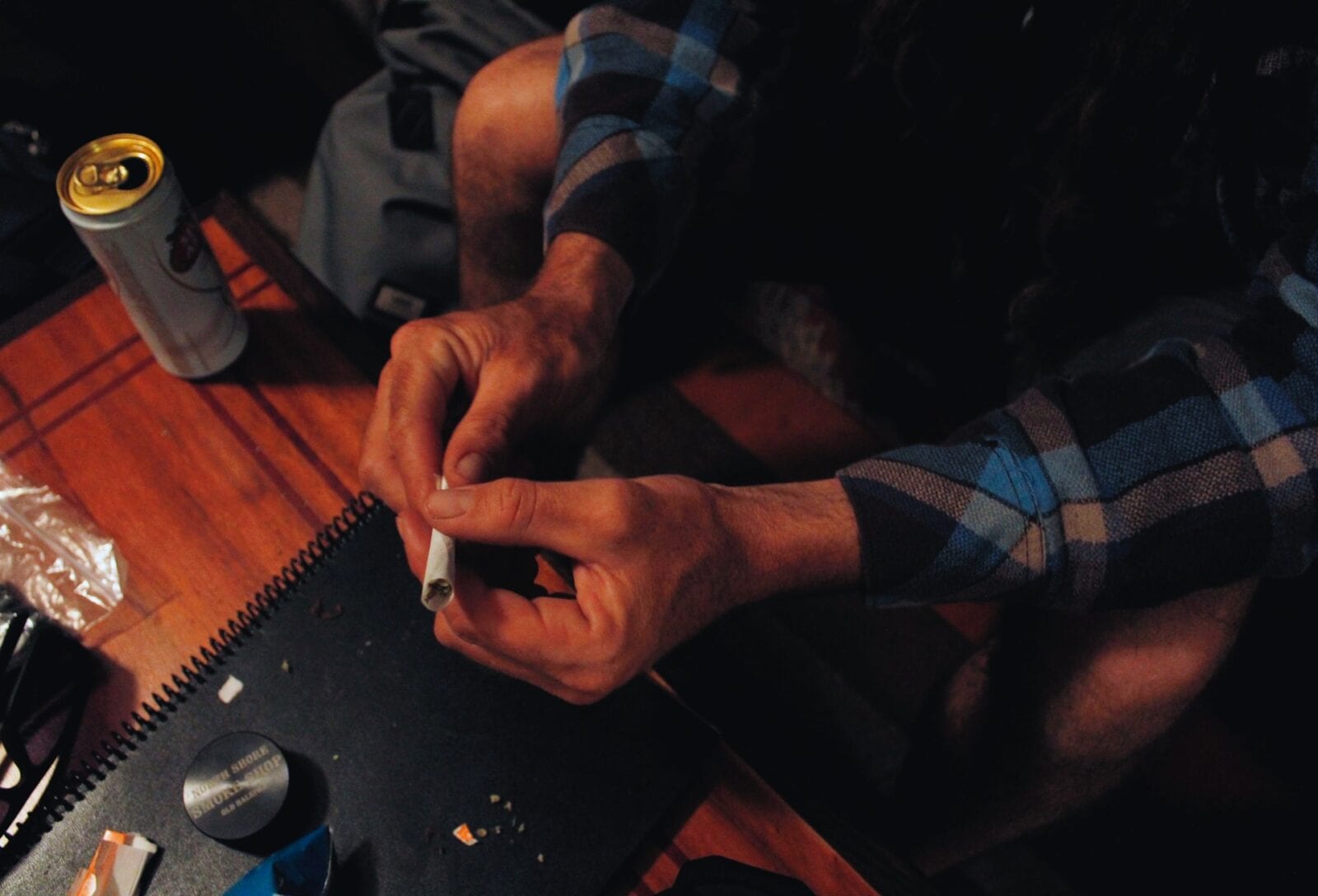
Starting with psychoactive herbs and finishing with stimulants, drugs are nothing new in society. However, there have always been those who abused them and became psychologically and physically dependent on those substances.
There are plenty of sociological and psychological aspects of why drug abuse and addiction have developed. And although today’s addiction treatment is as explore more here, it wasn’t always this way.
Have you ever wondered how it even happened that people discovered drugs or how did the substances develop through the centuries? If yes, let us give you a history lesson about humans and drug abuse.
Opioids in China and Mesopotamia
Opioids have been used by humankind since approximately 3,900 BC. Sumerians found that opium is helpful in pain relief and used it for medical purposes. However, soon, they discovered the psychoactive effect of this drug, and smoking opium became a social ritual. They were also the first ones to find that poppy seeds can be used to manufacture addictive substances.
Later on, the Chinese took this custom after them. Over time, it was discovered that people could make morphine and heroin from poppy seed – both drugs started to be widely used to relieve pain. It was Chinese immigrants that contributed to the worldwide spread of opioids.
Mushrooms and Marijuana in Ancient Greece and Rome
The history of psychoactive plants reaches ancient times. Greeks and Romans were known to cherish life and celebrate social gatherings with vast amounts of alcohol. However, aside from alcohol use, religious and spiritual events were often accompanied by mushrooms and marijuana to evoke hallucinations.
They were a significant part of the rituals. The effects on people in ancient times were as damaging as they are now, but back then, nobody took into consideration brain-altering negative side effects of the plants.
World trade and cocaine
The development of the trade has significantly contributed to overspreading drug abuse, especially in the second millennium. When America started to develop and build trading links, the conquerors discovered the drugs that locals were using.
One of them was cocaine that soon became a recreational drug causing “great contentment” and considered a cure for all the diseases. Sooner than later, the risk that coke usage carries was discovered.
Dr. Benjamin Rush
While analysing drug abuse from the historical perspective, it’s a sin not to mention Dr. Benjamin Rush. This figure changed the view we take on addictions to psychoactive drugs and alcohol abuse and their treatment.
Dr. Benjamin Rush, a founder of the first medical school in the United States, was the first to research and explore the impact of alcohol abuse on the human brain and body and shed light on its harmful effects. The society in the 1700s highly concentrated on alcohol consumption created sobriety groups among the tribes. It was the first time in history when addiction was considered a disease, not a matter of human willpower, that later impacted how humankind perceived drug usage.
World War I
World War I was when people started to lose faith in the successful treatment of drug addiction. Morphine, heroin, opium, and cocaine were “prescribed” by military authorities and “self-prescribed” by soldiers to fight PTSD and trauma as well as for medical purposes. The fear of drug abuse was growing. From this moment, the legislation started to be more restrictive to limit access to the substances.
Psychedelic Sixties
Social and political shifts caused by the Vietnam War contributed to the growing abuse of marijuana and psychoactive substances. It was the heyday of illegal drug use, and LSD started to become a popular recreational drug. Again, the fear of widespread drug abuse began to grow.
The government’s fear over lack of control over that phenomenon contributed to intensive drug possession restrictions. The penalties and restrictions were increasing, and the government has started to put much effort into fighting the 60’s drug wave. It lasted to the ’70s when drug abuse has started to be a real national concern.
The Bottom Line
The history of drug abuse is long and complicated. Drugs overspread around the world and became a significant part of the culture. However, through the years, drug addiction became a problem difficult to overcome. More and more people started to suffer from the adverse effects of drugs and became entirely dependent on them.
Contemporarily, drug treatment is developed. There are plenty of rehabs and places where addicts can get professional help to fight their addiction and have control over their lives again. Drug use can lead to severe mental health issues and be dangerous to human health and life, so don’t be afraid to reach professional help if you detect any addictive behaviours.
Trending
Pep Guardiola hints at when Manchester City fans can expect to see their latest arrival
Danny Jones
Manchester City manager Pep Guardiola has given supporters a rough timeline as to when they can expect to see their new signing, or at least their latest arrival, make his first appearance.
The Blues wrapped up the January transfer window with four major signings: their new attacking number seven, Omar Marmoush (who has already bagged a hattrick on his home debut) promising defensive duo, Abdukodir Khusanov and Brazilian Vitor Reis, as well as their ‘mini-Rodri’, Nico Gonzalez.
However, the club has had another late arrival who was technically signed back at the start of last year but who has spent for the last 12 months or so loaned back to his previous parent club, River Plate in Argentina, waiting to make the move over to the Etihad Stadium – and now he’s here in Manchester.
Speaking on his touchdown in 0161, Pep said Claudio Echeverri won’t be thrown into first-team action straight away but did give a rough estimate as to when City fans could expect him to get involved. You can see him discussing the integration plan in his post-match press conference following the Spurs win.
The mention was only brief but there’s still plenty of reason for Man City fans to be excited by the late January signing.
“Yeah, he [Claudio Echeverri] is going to start to train and mainly will be for the end of the season, maybe the [Club] World Cup and as soon as possible [that] he arrives he can adapt quick for the future.”
As mentioned, the 19-year-old Argentinian attacking midfielder from Resistencia officially put pen to paper with CFG back in January 2024 and was quickly dubbed ‘the next Messi’.
Now, although the football world is often quick to jump the gun with these things and he isn’t the first and certainly won’t be last to be slapped with this premature title, he’s done more to back up these claims since then than he has rubbish them.
Starring at the 2025 Under-20 South American Championships, netting six goals in nine games to finish the tournament as the second highest scorer thanks to notable braces against Brazil and Uruguay as the young Argentine’s finished as runners up.
He also notched 48 senior appearances for River Plate thus far, netting four goals and grabbing eight assists in that time, not to mention having already captained his national team at the 2023 Under 17s World Cup, where he scored another five.
Safe to say there’s plenty of talent to be tapped in this lad.
Once again, Echeverri won’t go straight into the senior set-up for a little while yet, barring a major injury crisis, but he’ll be a more than exciting addition to the City Football Academy and for future first-team lineups for years to come.
Who knows, maybe he’ll be included in an FA Cup matchday squad? Nevertheless, you can expect him to not just come of the bench but hopefully show what he can do at the Club World Cup this summer.
City‘s first fixture as reigning champions of the competition will be against Moroccan side Wydad AC on 18 June 2025.
You can watch Echeverri’s first full interview as a Man City player down below:
The new Man City signing is excited to be finally be part of the club 13 months on from agreeing his contract.
Rochdale has been named Greater Manchester’s ‘Town of Culture’ for 2025
Emily Sergeant
Rochdale has officially been named Greater Manchester’s Town of Culture for 2025.
Taking over the reins from Bolton – which held the title in 2024 – and following in the footsteps of Stockport before that, which held the title in 2023, and even hosted a massive ‘Town of Culture Weekender’ festival with 50+ free events to celebrate and bring its title year to a close, it’s now the turn of the north-eastern Greater Manchester borough of Rochdale.
Rochdale’s year will build on the town’s already-rich cultural history and international reputation as the home of the co-operative movement.
More than 35 arts organisations will be bringing together an ambitious programme of festivals, exhibitions, events, and performances throughout the year.
Unfamiliar with what the ‘Greater Manchester Town of Culture’ title is all about? It’s an accolade that’s handed out every year to different boroughs across the region.
Bury was the inaugural title-holder 2020 and held onto it in 2021 too due to the COVID pandemic, before being followed by Stalybridge in 2022, Stockport in 2023, and of course, Bolton in the year just gone.
The title celebrates Greater Manchester’s culture and heritage.
As well as getting a new title to shout about, it also sees the towns given a grant from the Greater Manchester Combined Authority (GMCA) culture fund to help develop a programme of cultural events and activities throughout the year.
Rochdale has been named Greater Manchester’s ‘Town of Culture’ for 2025 / Credit: The Manc Group | Rochdale Council
In Rochdale’s case, you can expect the ‘very best local talent’, as this year is promising to put ‘people power’ centre stage, with residents helping to plan, develop, and deliver a lineup of creative activities, alongside a number of major events.
This includes the popular free days out for families, an exciting new urban arts festival, two different food and drink festivals, a lantern parade, the Ignite Fire Festival, a Pride parade, and so much more.
You can also expect live music performances, a new people’s gallery, and even some major international collaborations that are yet to be announced.
Rochdale is taking over the reins from Bolton, which held the title in 2024 / Credit: Rochdale Council
“Rochdale is a place with a rich cultural history, so it is great to name it Greater Manchester’s town of culture as it’s town hall and town centre enter a new era,” commented Greater Manchester Mayor Andy Burnham as the borough was crowned this week.
“Rochdale submitted a fantastic bid for this which, was incredibly exciting and ambitious, while being firmly rooted in its local talent and deep history.

 The Manc -
17th February 2021
The Manc -
17th February 2021