Famous Didsbury eco-pioneer and RSPB founder Emily Williamson to be honoured with new statue
A new festival dedicated to Emily Williamson at Manchester Art Gallery will examine her eco-campaigning legacy and give people the chance to vote for the final statue design
Known as the woman who saved a million birds, the famous Victorian Didsburyite Emily Williamson is widely considered to be one of the outstanding eco-pioneers of her day.
Now, she is set to be honoured with a new festival at Manchester Art Gallery – culminating in the announcement of the winning design of a statue for Emily.
Emily founded what would become the RSPB from her home in Didsbury’s Fletcher Moss Park in 1889 by inviting her friends to tea and asking them to sign a pledge to ‘Wear No Feathers’.
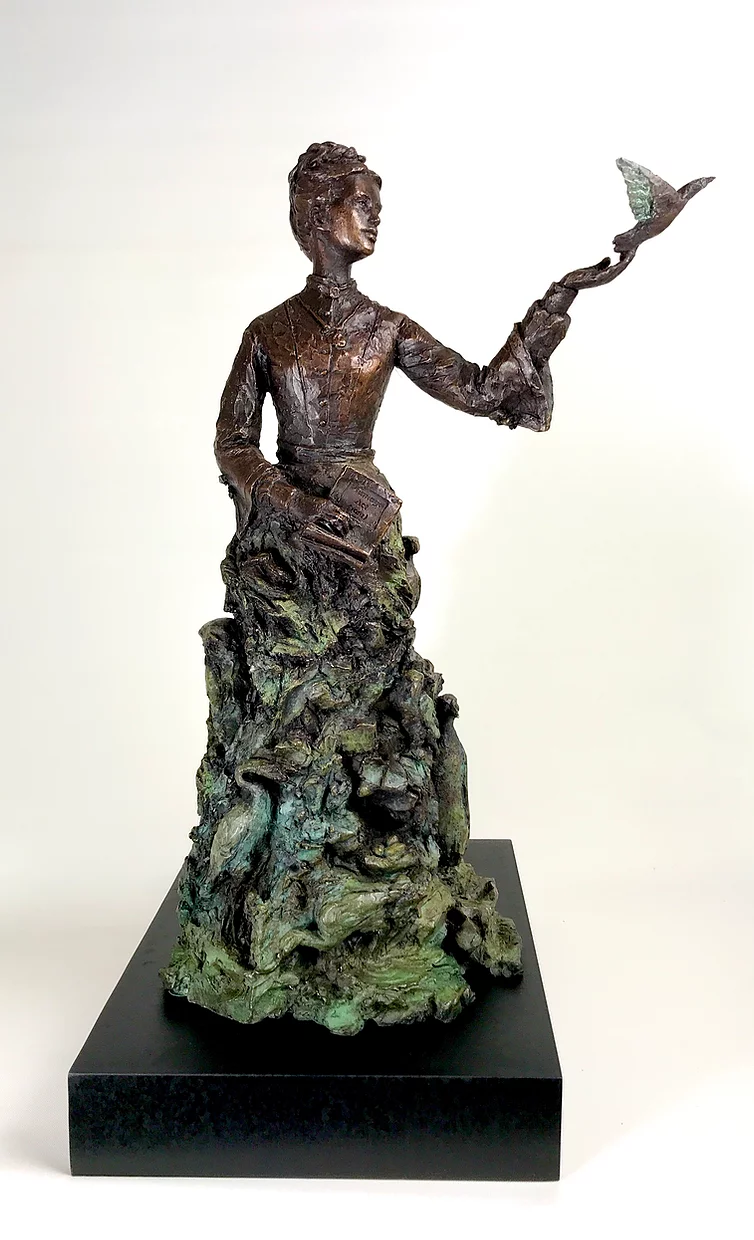
Statue design by Eve Shepherd / Image: Emily Williamson statue campaign
That one pledge ricocheted through the next century, spawning campaigns and movements that changed the face of UK conservation.
A statue of Emily in the grounds of her former home is one of the ways of giving her the recognition that she deserves and it’s hoped that her legacy will be used to inspire a new generation of nature activists.
As COP26 looms and promises are made regarding action on climate change, the activist and RSPB founder’s campaigning legacy will be celebrated with a dedicated festival.
The event, which runs from. 12 to 14 November, will also showcase local stories of resistance, resilience and hope in the world of conservation today.
The festival will welcome some of Manchester’s most dynamic change-makers, exploring the links between conservation, campaigning, science, and art at a pivotal moment for humanity.
Of the 24 speakers scheduled to appear, 23 will be women – shining a spotlight on some key female players in the conservation world.
Speakers confirmed so far include RSPB CEO Beccy Speight; the British Ornithologists’ Union President Juliet Vickery; campaigner and Springwatch presenter Megan McCubbin; and Emily Williamson’s descendent, bird scientist Professor Melissa Bateson.
The living link between Emily’s history and her eco-campaigning legacy will also be examined in a range of panel debates that will look at Victorian Manchester’s greenness and the city’s changing relationship with the natural world today; campaigning tactics across the centuries; the fashion industry vs environmentalists; and the link between nature and mental health.
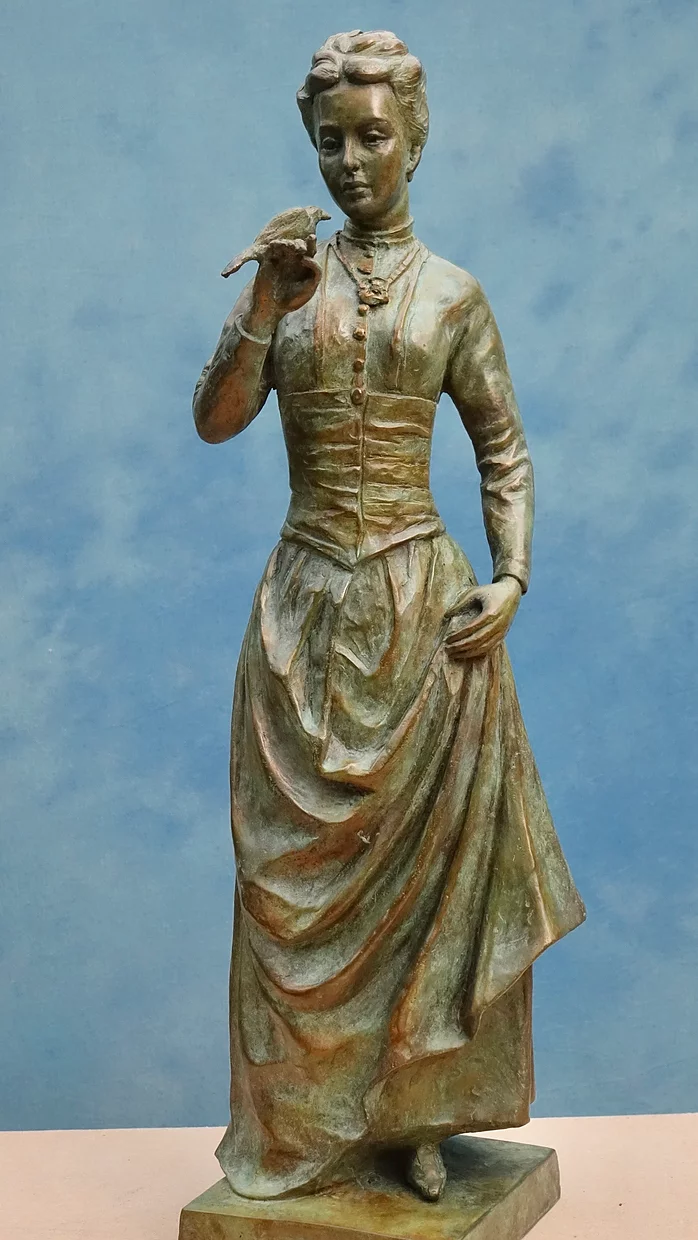
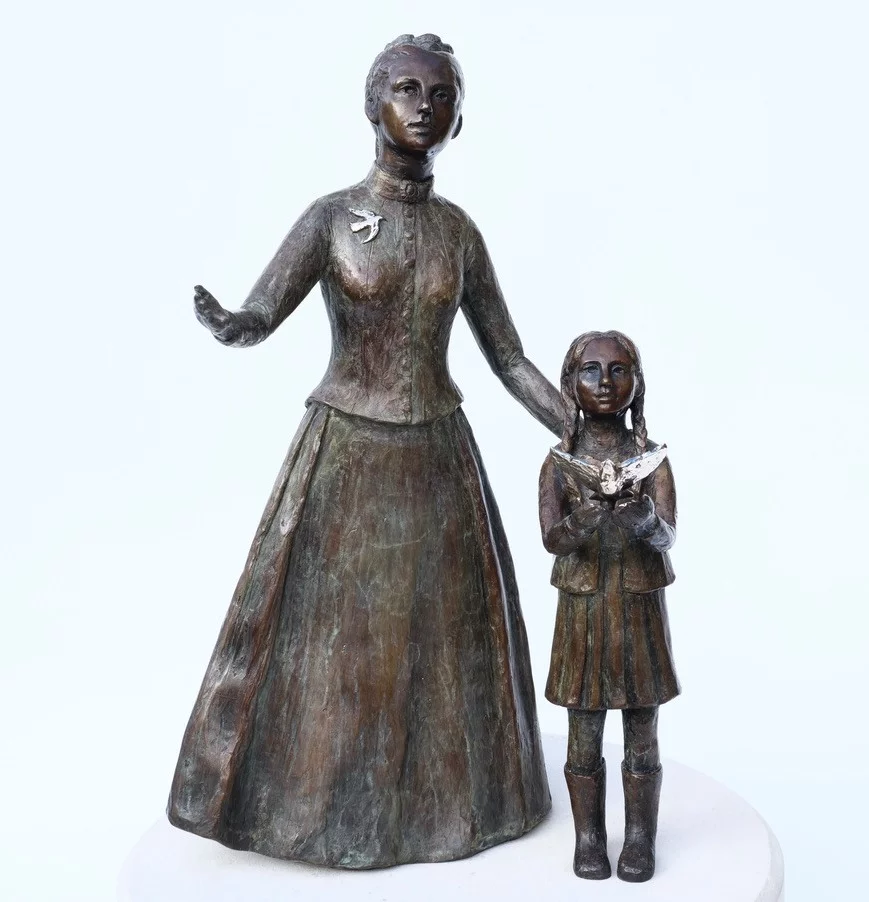
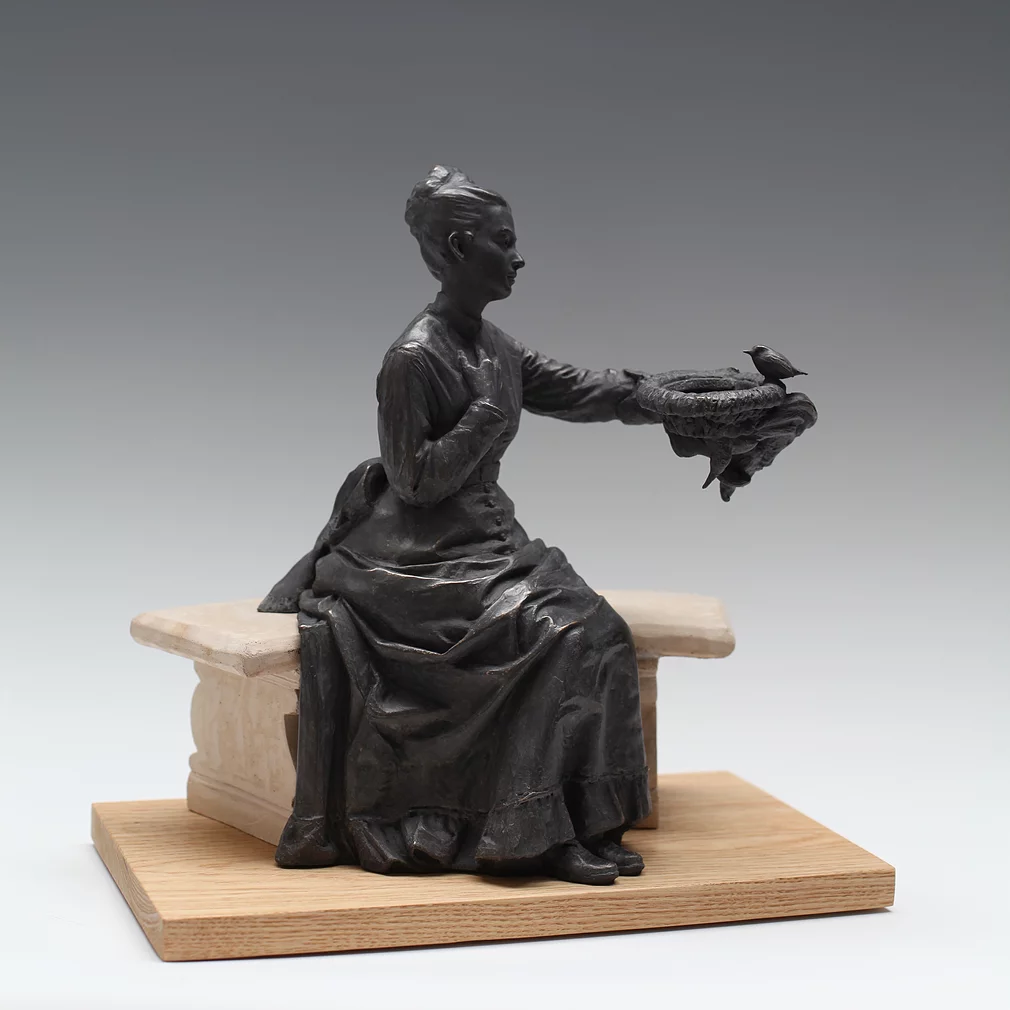
The festival will culminate in the announcement of the winning design of a statue for Emily, which members of the public have been voting for in their thousands.
The maquettes (miniature statues) of the four shortlisted designs will be on display at Manchester Art Gallery from Saturday 30 October until Sunday 14 Novemberand with voting open until 12 pm on Sunday 14 November.
Statue design by Billie Bond / Image: Emily Williamson statue campaign
Festival founder, social historian and author Tessa Boase, who uncovered Emily’s story and photograph while researching her book on the RSPB’s origins, says:
“Emily Williamson understood the value, magnificence and significance of nature, especially birds. She stood firm and fought against the powerful worldwide ‘murderous millinery’ trade – and she won. This festival celebrates her achievement and remarkable legacy, showcasing some exceptional women fighting for nature here in Manchester today.”
Emily Williamson founded the (R)SPB, now the UK’s largest conservation charity, in 1889. In 1891 she teamed up with two other eco pioneers to take it to the next level: Etta Lemon and Eliza Phillips of Croydon.
None of these women has been remembered by history.
As Tessa Boase explains:
“The first thing that struck me when I visited RSPB headquarters at The Lodge, Sandy, was the male portraits looming down all round the entrance hall.
“Where were the female founders? After unearthing their photographs, I commissioned these drawings from nature-lover and artist Clare Abbatt in the hope that, one day, they might hang in The Lodge and redress the gender balance.”
Emily’s story shows us that one voice can make a difference. With 15% of birds in Britain now facing extinction, her legacy is more crucial than ever.
The large drawings of Emily, Etta and Eliza will feature alongside the shortlisted designs of a statue for Emily Williamson. This will be the first time that the portraits have gone on public display.
Manchester Art Gallery is open Wednesday to Sunday, 10 am to 5 pm. For further information on the Emily Williamson Festival and the Emily Williamson Statue Campaign visit the dedicated website here
Feature image – David Dixon via Commons Wikimedia / Wikipedia
News
Rochdale has been named Greater Manchester’s ‘Town of Culture’ for 2025
Emily Sergeant
Rochdale has officially been named Greater Manchester’s Town of Culture for 2025.
Taking over the reins from Bolton – which held the title in 2024 – and following in the footsteps of Stockport before that, which held the title in 2023, and even hosted a massive ‘Town of Culture Weekender’ festival with 50+ free events to celebrate and bring its title year to a close, it’s now the turn of the north-eastern Greater Manchester borough of Rochdale.
Rochdale’s year will build on the town’s already-rich cultural history and international reputation as the home of the co-operative movement.
More than 35 arts organisations will be bringing together an ambitious programme of festivals, exhibitions, events, and performances throughout the year.
Unfamiliar with what the ‘Greater Manchester Town of Culture’ title is all about? It’s an accolade that’s handed out every year to different boroughs across the region.
Bury was the inaugural title-holder 2020 and held onto it in 2021 too due to the COVID pandemic, before being followed by Stalybridge in 2022, Stockport in 2023, and of course, Bolton in the year just gone.
The title celebrates Greater Manchester’s culture and heritage.
As well as getting a new title to shout about, it also sees the towns given a grant from the Greater Manchester Combined Authority (GMCA) culture fund to help develop a programme of cultural events and activities throughout the year.
Rochdale has been named Greater Manchester’s ‘Town of Culture’ for 2025 / Credit: The Manc Group | Rochdale Council
In Rochdale’s case, you can expect the ‘very best local talent’, as this year is promising to put ‘people power’ centre stage, with residents helping to plan, develop, and deliver a lineup of creative activities, alongside a number of major events.
This includes the popular free days out for families, an exciting new urban arts festival, two different food and drink festivals, a lantern parade, the Ignite Fire Festival, a Pride parade, and so much more.
You can also expect live music performances, a new people’s gallery, and even some major international collaborations that are yet to be announced.
Rochdale is taking over the reins from Bolton, which held the title in 2024 / Credit: Rochdale Council
“Rochdale is a place with a rich cultural history, so it is great to name it Greater Manchester’s town of culture as it’s town hall and town centre enter a new era,” commented Greater Manchester Mayor Andy Burnham as the borough was crowned this week.
“Rochdale submitted a fantastic bid for this which, was incredibly exciting and ambitious, while being firmly rooted in its local talent and deep history.
“We are definitely going to see the very best of what Rochdale has to offer over the next 12 months and people will come from far and wide to see it.”
Featured Image – Rochdale Council
News
The Lowry Theatre undergoes revamp following Biffa Award grant
Danny Jones
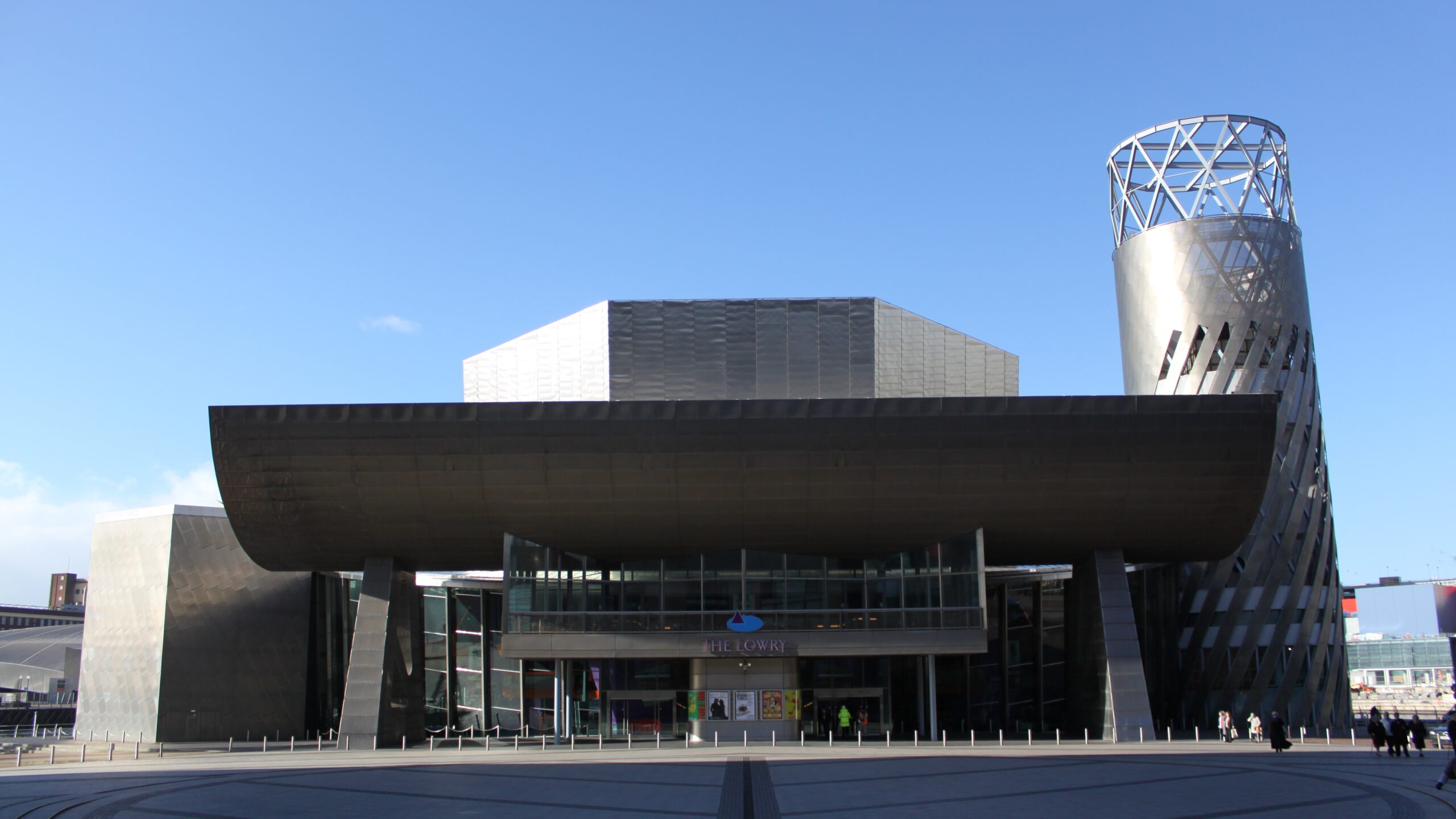
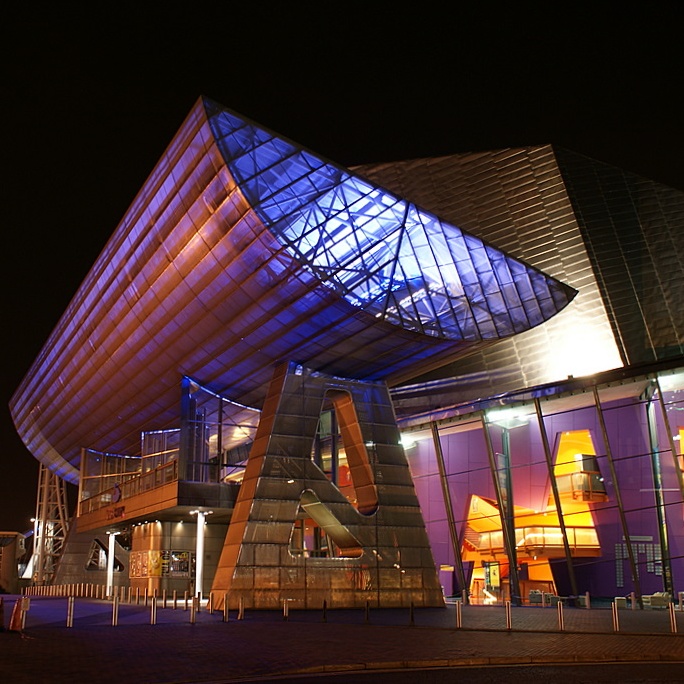
The Lowry in Salford Quays has had a bit of TLC with one of its biggest theatre spaces undergoing a pretty significant refurb this past month.
Following a well-deserved grant distributed via the Biffa Award, a multi-million-pound fund that helps to build communities and transform lives through community and environmental projects across the UK, the legendary local theatre received nearly £75k last year.
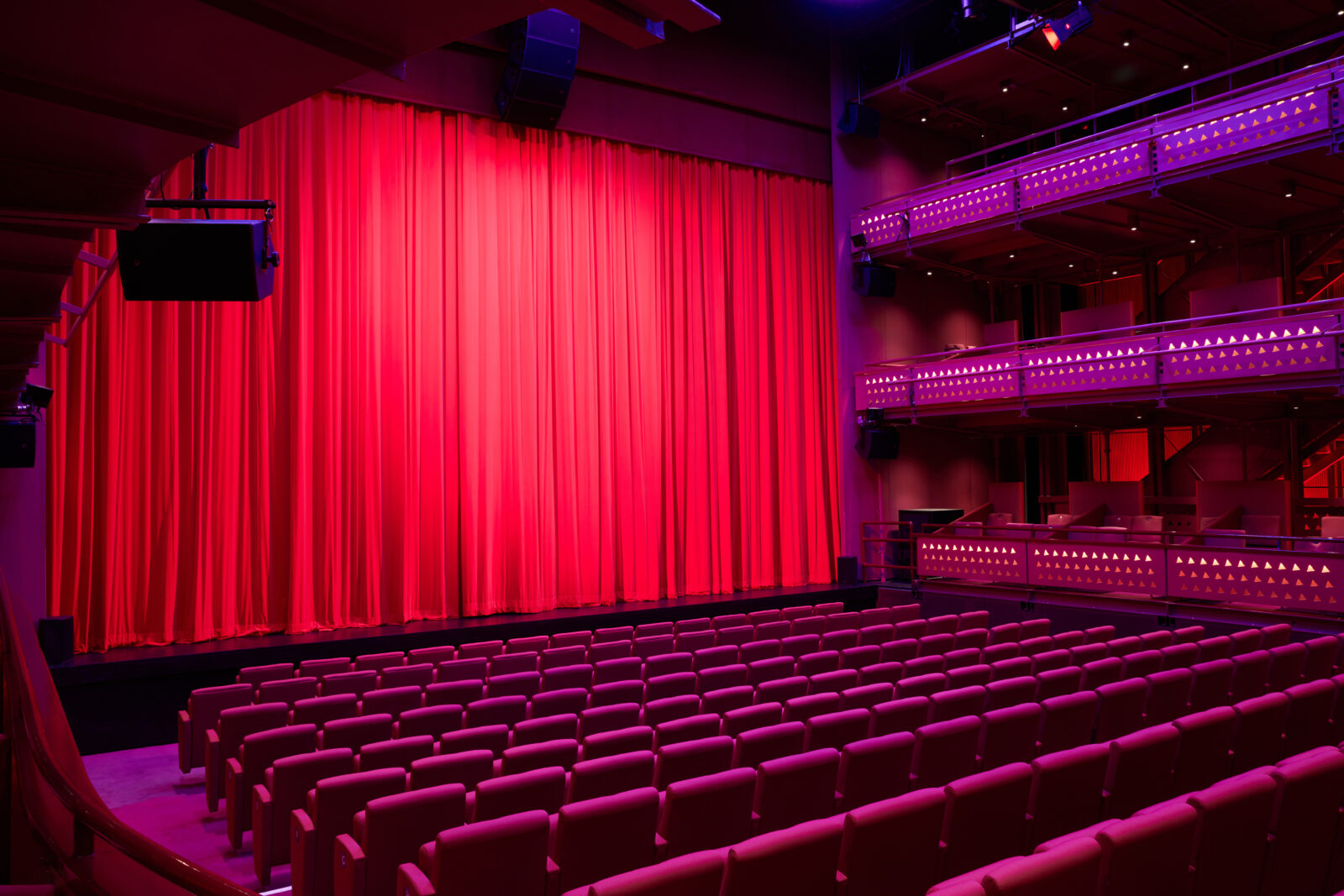
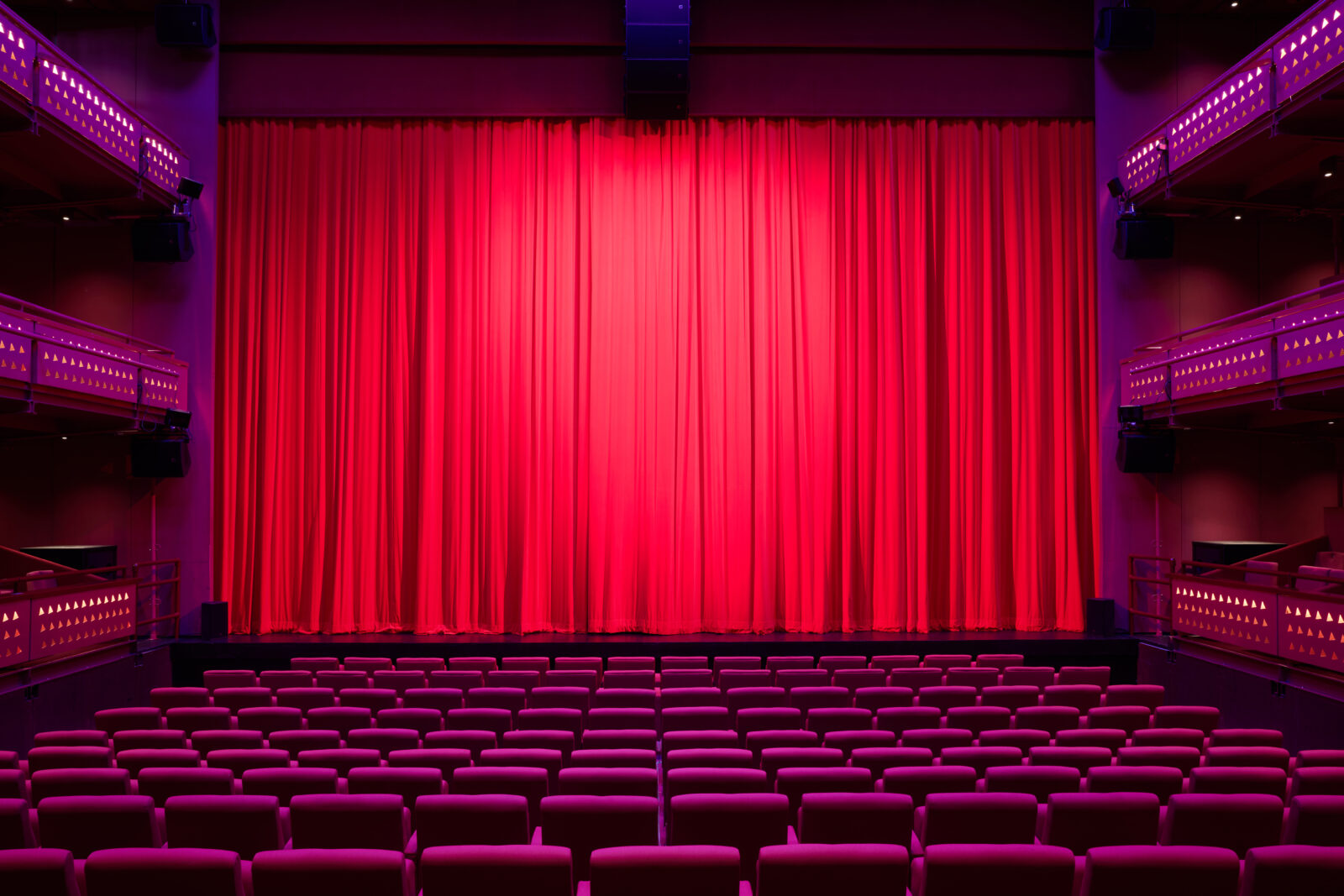
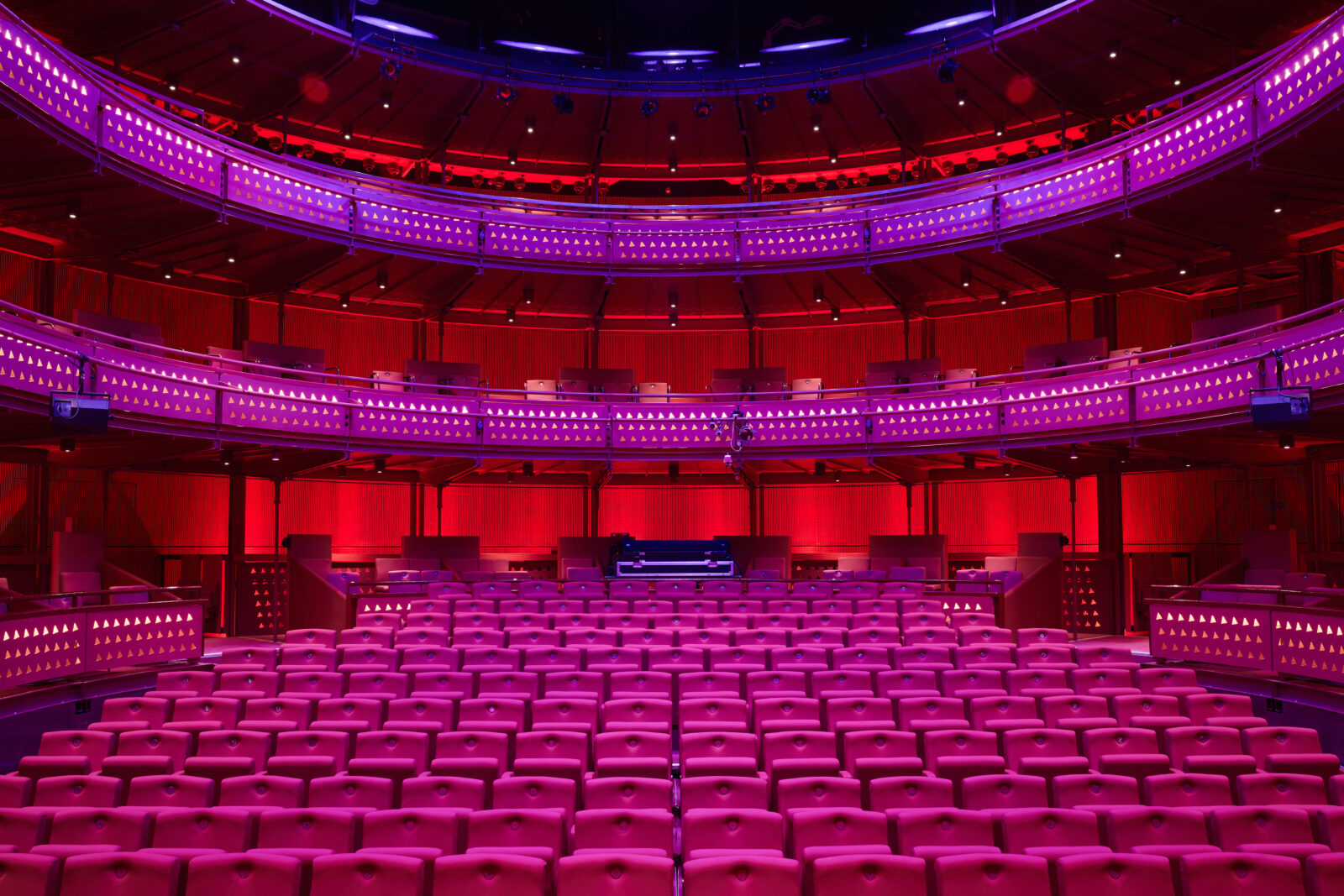
As a result, all 440 seats and various other aspects of The Lowry‘s Quays Theatre have now been renovated and refurbished.
The short story is, she looks more gorgeous than ever – see for yourself:
Being initially handed over in March 2024, The Lowry was awarded a total of £74,816 to reupholster seating in the venue’s Quays Theatre with new padding and fabric.
After almost 25 years of constant use as one of the most popular theatres in the North, the seats in the Quays Theatre were much in need of a refurb, and with work completed in December, Lowry visitors can now enjoy watching the venue’s wide range of theatre, dance, comedy and drama in comfort.
The work was actually carried out between July and December, with seats being carefully removed in batches and reupholstered off-site.
This was made possible due to the Biffa Award’s most recent ‘Cultural Facilities’ theme, which aims to improve recreation, interest and education, drawing funds from the UK government’s wider Landfill Communities Fund.
The old fabric and padding were disposed of sustainably, with lots of it being repurposed where possible to minimise waste and all the new materials used meet current guidance for safety and quality.
The Lowry’s Deputy Chief Executive and Director of Development, Gwen Oakden, said of the long overdue update:“It is so important that our audiences are able to enjoy our world-class performing arts programme in a comfortable and welcoming space.
“For many visitors to the Quays Theatre, this is their first experience of live performance – often to see a family show or as part of a school trip. We really want it to be the best experience possible, and for them to begin a lifelong relationship with Lowry.
“As a registered charity, without the generous support of this Biffa Award, for which we’re hugely grateful, we couldn’t have carried out this important work for our audiences.
As we head into our 25th Anniversary year, we are delighted to be able to welcome audiences and visitors can enjoy the beautiful and revived Quays Theatre.”
As for the Biffa side of things, Grants Manager Rachel Maidment added: “We are delighted to have supported The Lowry in refurbishing the Quays Theatre seating, ensuring audiences can continue to enjoy performances in comfort.
“Through Biffa’s Cultural Facilities theme, we fund projects that provide engaging and inspiring spaces for communities. The Lowry is a key cultural venue, and we’re proud that our funding, made possible through the government Fund, has helped enhance the experience for visitors for years to come.”
Like most Mancs, we love The Lowry, so here’s to hosting countless more theatregoers in the most comfortable seats possible for generations to come.
We’ve been to some brilliant performances around here of late.

 Georgina Pellant -
21st October 2021
Georgina Pellant -
21st October 2021