Whenever anyone thinks of the Suffragette movement, particularly in Manchester, one of the first names to come to mind is Emmeline Pankhurst.
Her story is well known – a girl from Moss Side, born into a politically active family, was introduced to the suffrage movement aged just 14 and ultimately helped British women to win the vote and create historic change.
The Pankhurst’s name today is synonymous with women’s suffrage, as are the Kenneys of Saddleworth.
But in the early years of the suffragette movement, before it had a name and was just a few pesky women making some political noise, there was another figure – oft-forgotten – who inspired the women around her to make history.
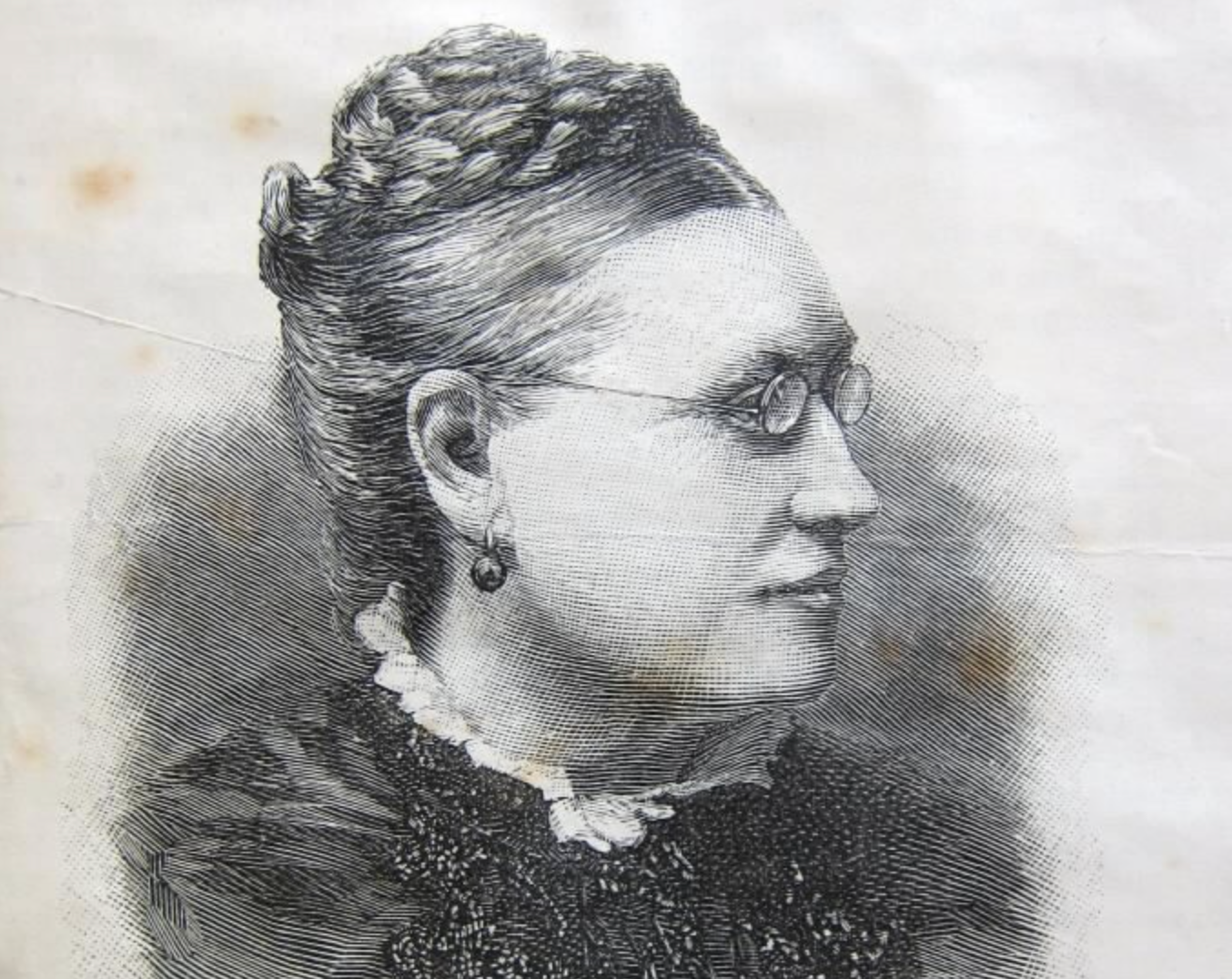
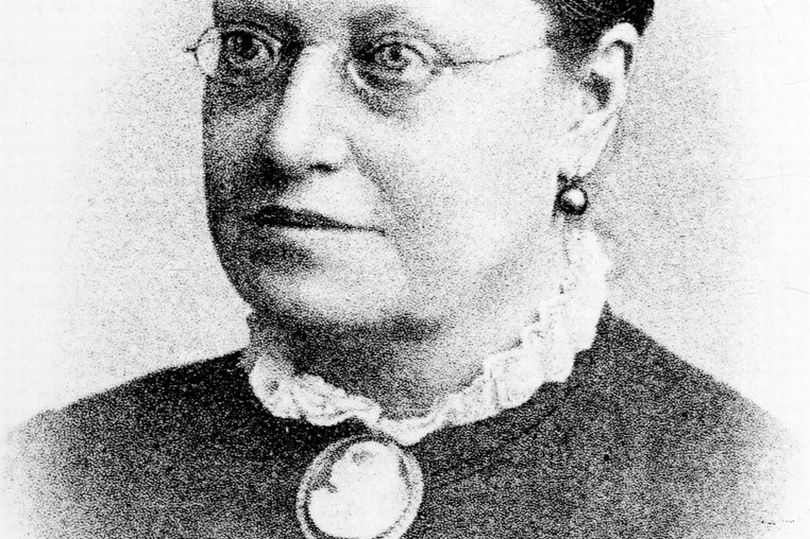
Her name was Lydia Becker and she hailed from Accrington.
Born in 1827 to a large middle-class family, as a young girl Becker was home-schooled alongside her siblings and took a big interest in nature and botany.
She often wrote to Charles Darwin with questions and the two developed a friendly correspondence, with Lydia sometimes sending him samples of plants from around Manchester to study.
But as well as growing into a noted botanist, as a young woman she was fascinated by politics and got involved in the suffrage movement at a very early stage.
Having studied in great detail the reproductive science of plants, in particular the bisexual and hermaphrodite species, she soon turned her mind to the gender politics of society.
Inspired by a fellow sister scientist, Barbara Bodichon, who had published a paper entitled The Enfranchisement of Women in 1866, Lydia moved to found the Manchester Women’s Suffrage Committee – the first of its kind in the country.
Not much time after founding her committee, Lydia heard about a local woman – a widow – whose name had appeared by accident on an electoral roll. Sensing an opportunity, she and Lily Maxwell went to the polling station together and demanded she be allowed to cast a ballot. She was, and it caused a ruckus.
Spurred on, soon enough Lydia was encouraging all female heads of household to do the same – and was ultimately instrumental in bringing their petitions to court.
The following year, she was one of the central organisers and speakers at the first-ever meeting of the National Society for Women’s Suffrage and soon found herself undertaking speaking tours across the country.
This was years before the Pankhursts and at a time when it was completely unheard of for women to get involved in politics in any way. To even suggest that a woman should vote in elections was to completely put yourself out on a limb.
Simply put, politics was for men – it was not considered ‘ladylike’ for a woman to stand up in a public place and spout her opinions. Lydia didn’t let this put her off, though.
She simply ignored the naysayers (and there were a lot of them) and kept on going on her tours up and down the country after forming the Women’s Suffrage Journal in 1870, alongside Jessie Boucherett.
At one of these meetings in 1874, there was a young girl sitting in the audience. A fifteen-year-old Emmeline Pankhurst, who from that day forward would be completely committed to the cause after hearing Lydia speak.
As the movement began to gather pace, one thing that set Lydia apart from her counterparts was her ardent support for the vote of single and unmarried women. These women, she argued, were more in need of the vote than their married counterparts (who ultimately secured the vote first in 1918).
It was a point on which she and Emmeline Pankhurst were to disagree, but just as with everything else, Lydia stuck to her guns on her opinions – no matter what ridicule she faced. And there was a lot.
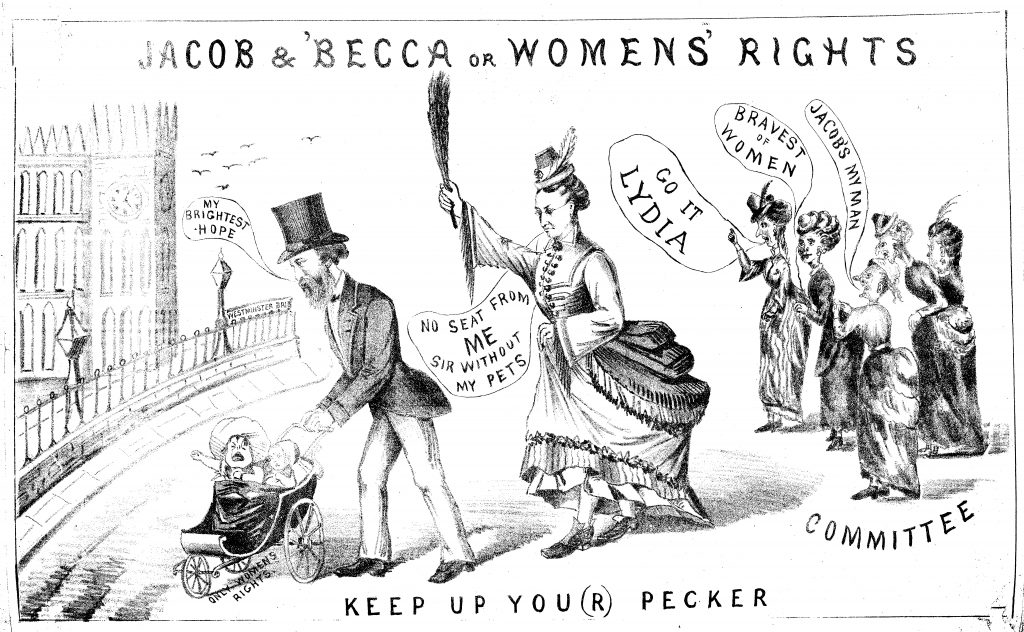
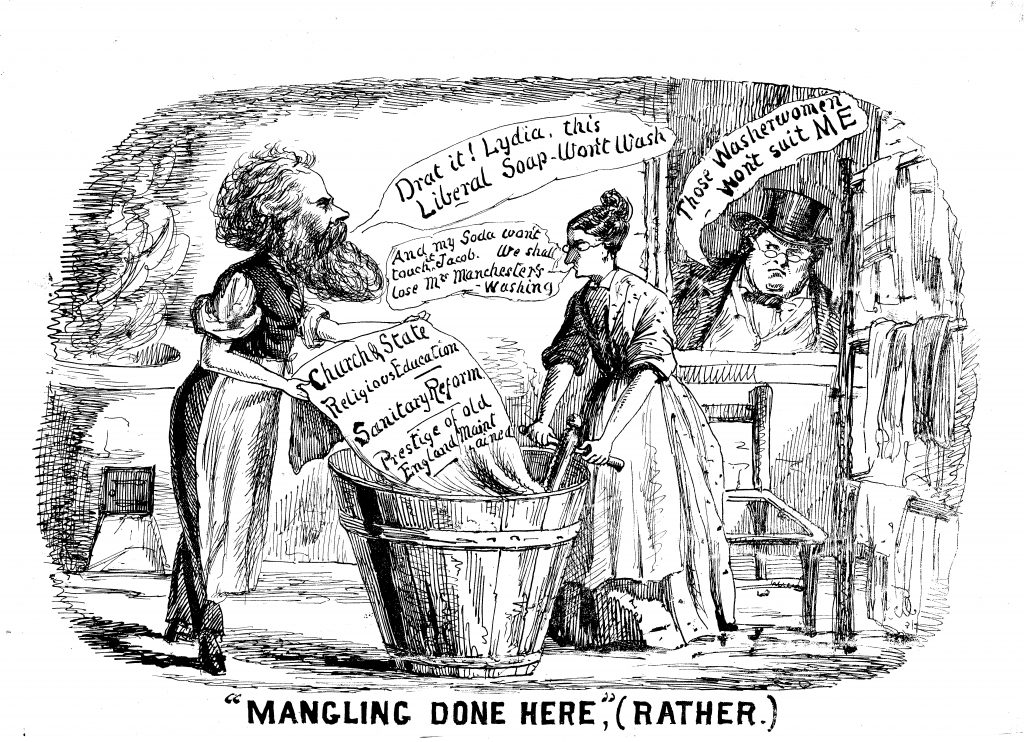
Just as women today who speak or act out against the status quo are often maligned (Jameela Jamil springs to mind, but there are many more), Lydia was subject to merciless teasing – particularly from politicians and the press.
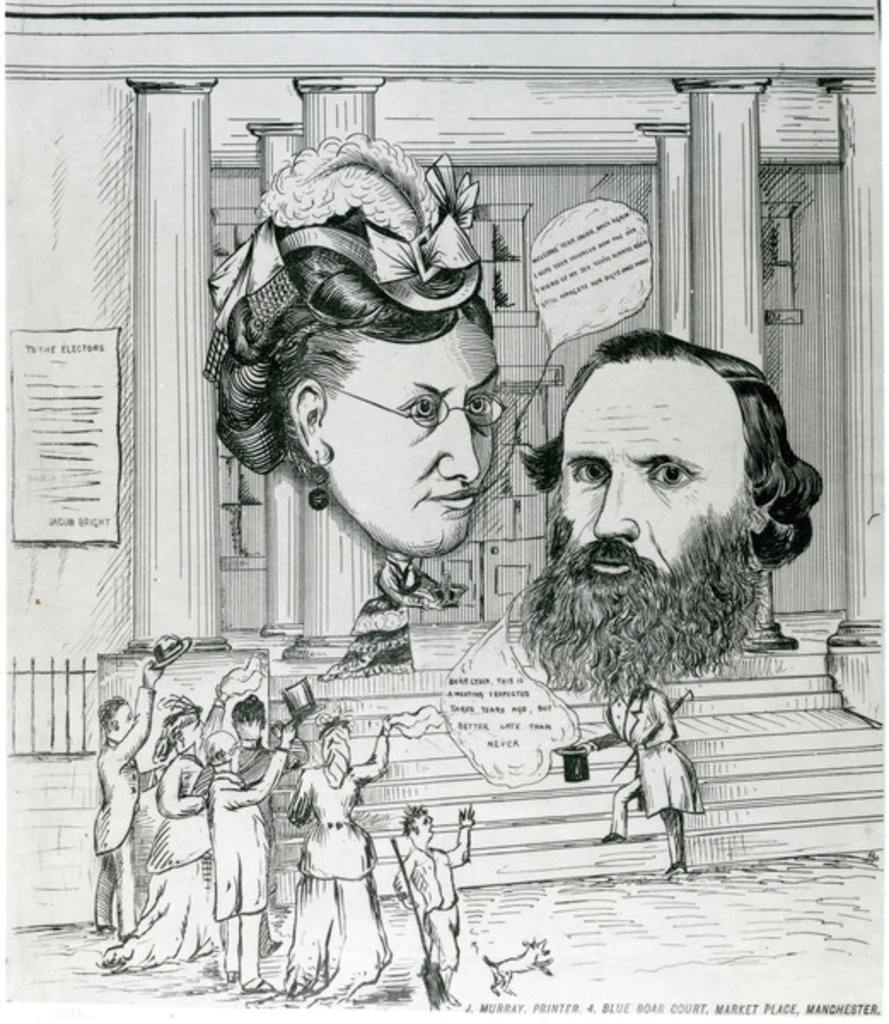
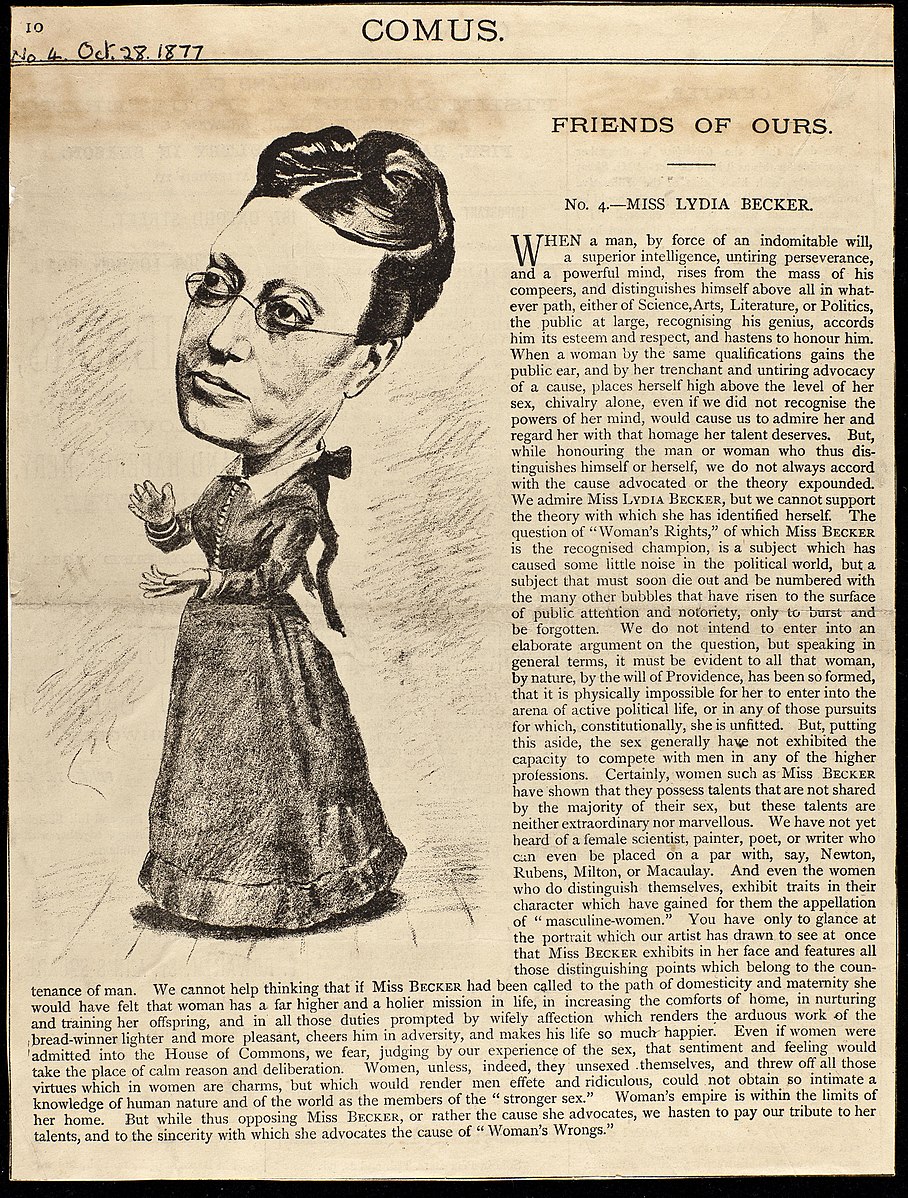
She wore wire-framed glasses and was made into somewhat of a caricature by cartoonists, who ridiculed her “extreme” views and looks. One cartoon cruelly depicted her being thrown out of parliament wrapped in the Women’s Suffrage Bill.
She also used her position as an educationist to champion the idea that there was no difference in the intelligence levels of men and women, a position that was considered truly revolutionary at the time.
She passed away aged 63 at Aix-les-Bains in 1890, and her name can be found today on a family headstone in St James, Altham. Quite rightly, it can also be found on the Reformers’ Memorial in Kensal Green Cemetery, London, alongside other great reformers and innovators.
Although Lydia died several decades before women would win the right to vote, if it wasn’t for her then we might still be the second-class citizens we were in the 1800s.
Roger Fulford best sums it up In VotesforWomen: TheStoryofaStruggle, when he writes: “The history of the decades from 1860 to 1890 – so far as women’s suffrage is concerned – is the story of Miss Becker.”
A true pioneer and an inspiration for many women, her name deserves to be remembered.
Review | Snow Patrol roll back the years at Co-op Live for a mini-Manc’s first gig
Danny Jones
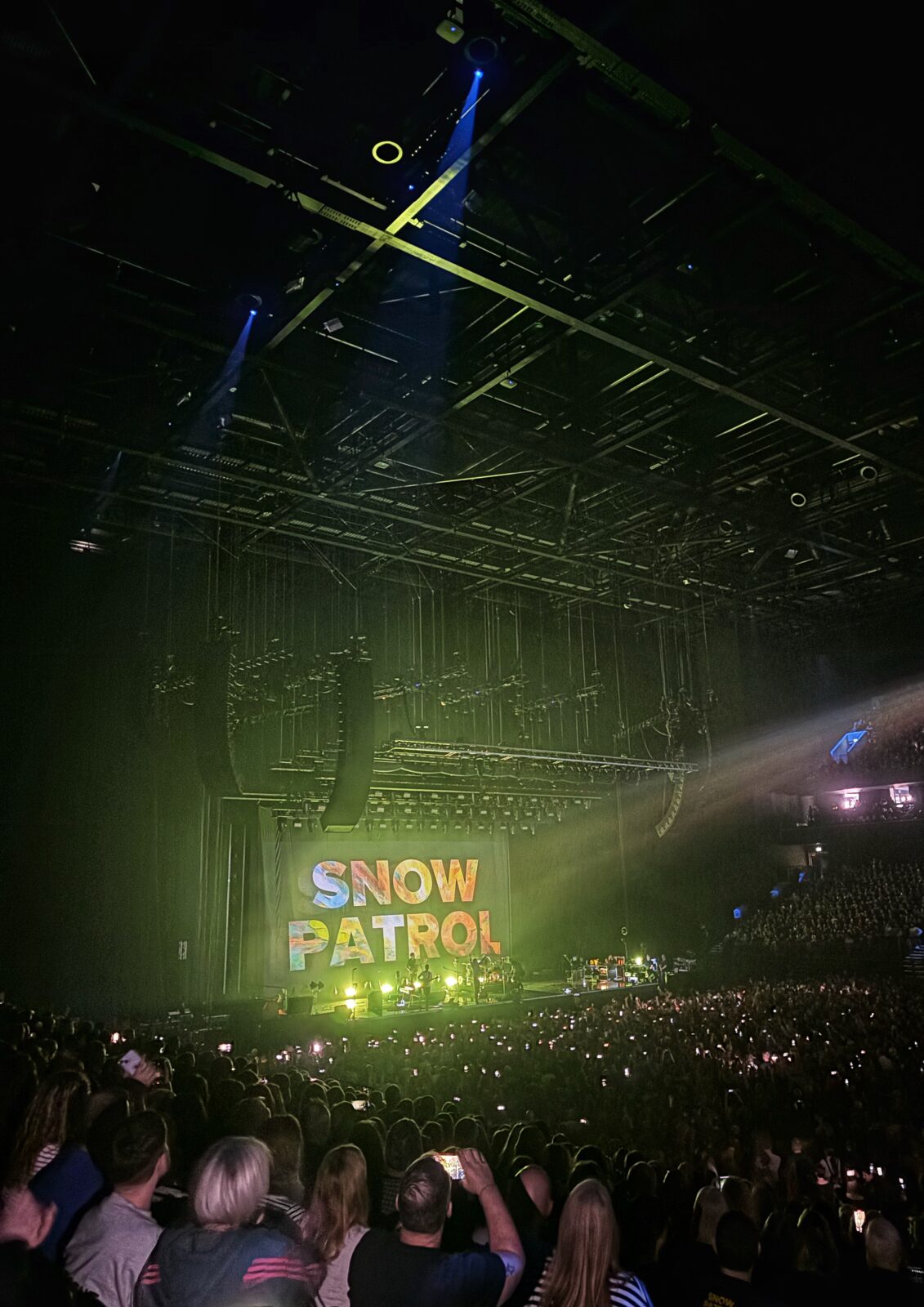
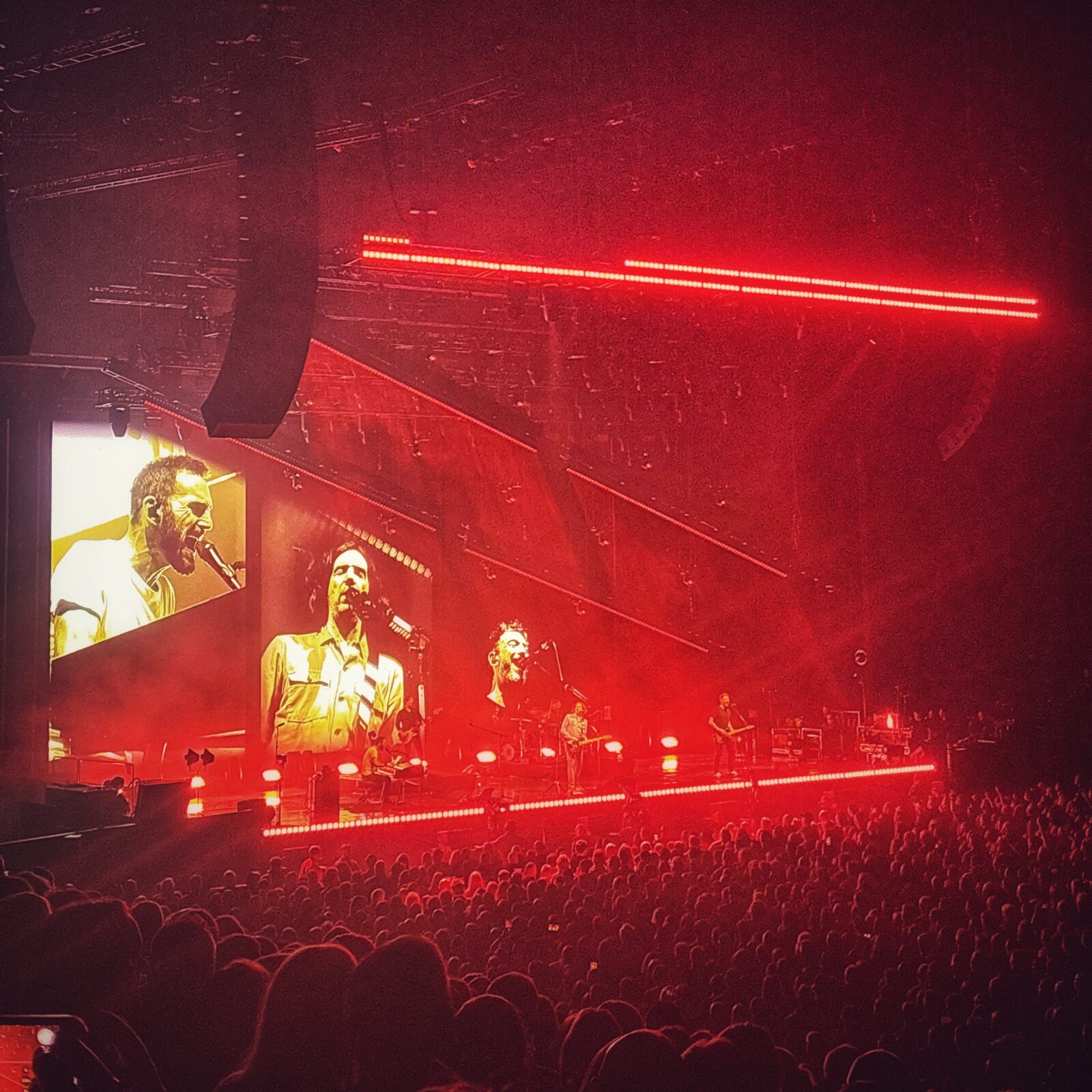
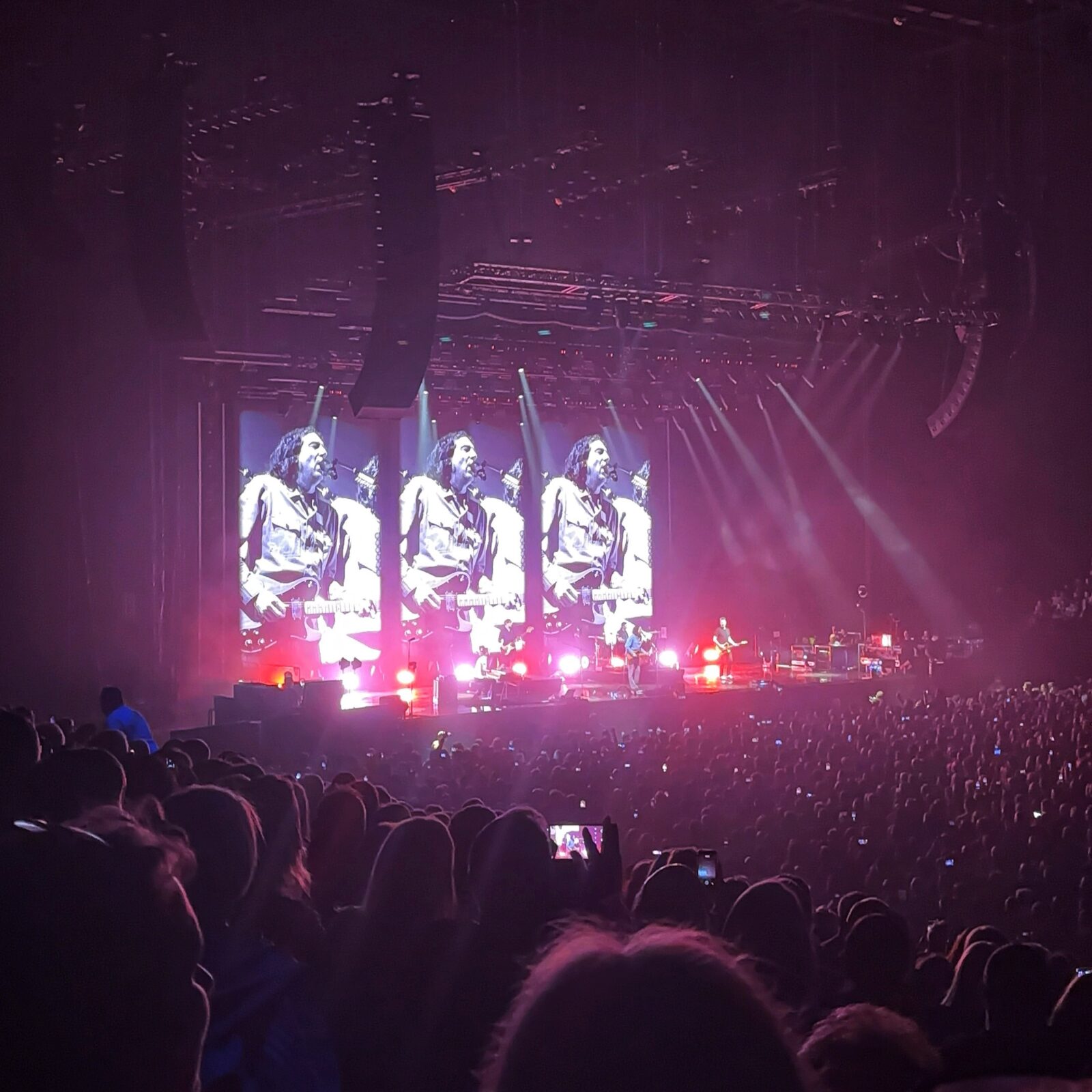
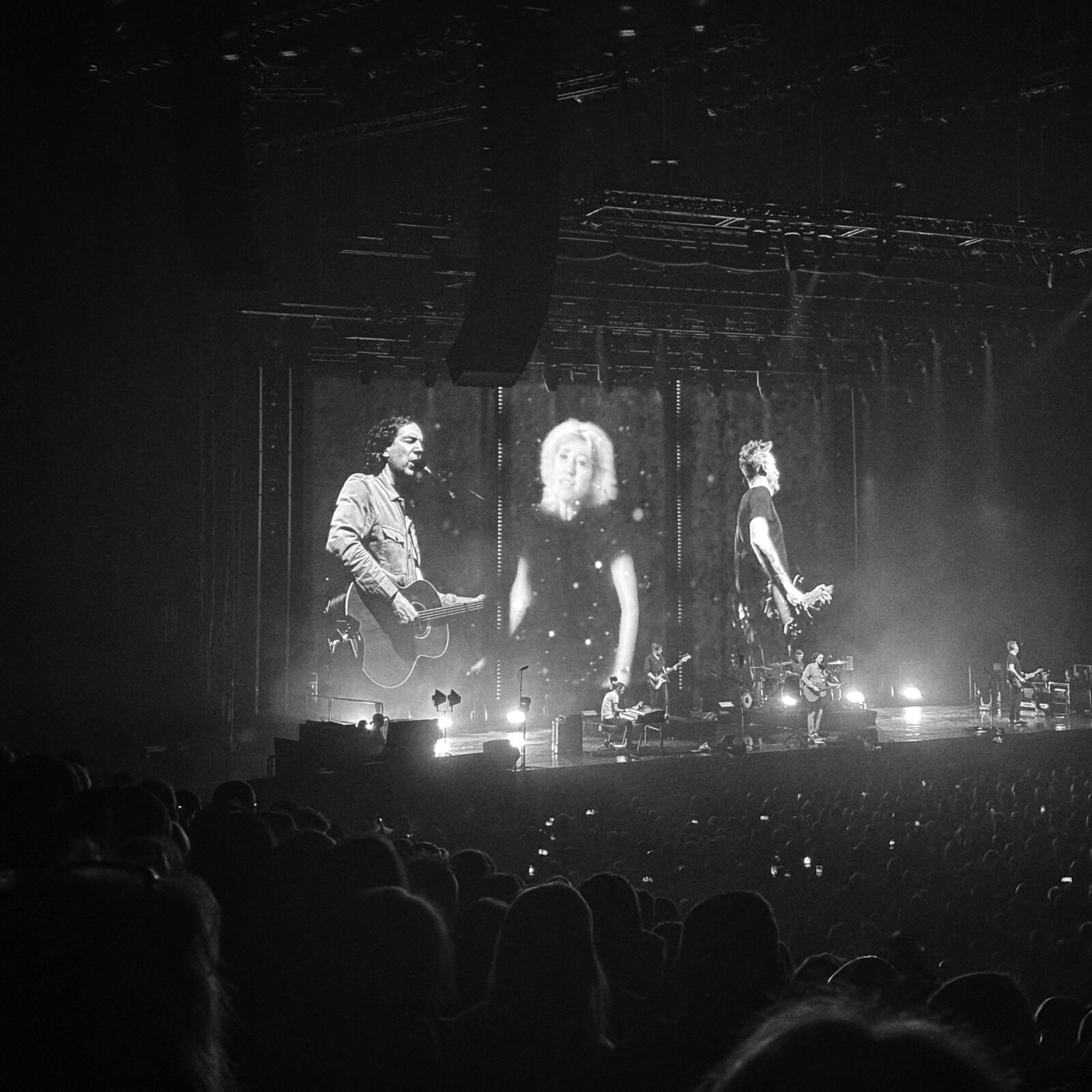
This weekend we enjoyed a new kind of live music experience: rediscovering the joy of listening to a childhood favourite by watching it through the eyes of the next generation – that was how we witnessed a fully-fledged arena return to Manchester for Snow Patrol at Co-op Live.
And it was special for lots of reasons.
Taking a little one to their first gig is something you’ll never forget and sharing a new-found connection with a band that you loved when you were their age is one of those magical things about music that we’re eternally grateful for.
You might assume the Snow Patrol crowd one skews a little older for the most part but we were pleased to see there were more than a few kids and teenagers donning tour tees, looking wide-eyed at the sheer size of the Co-op Live arena, and singing the words back better than Gary Lightbody at times.
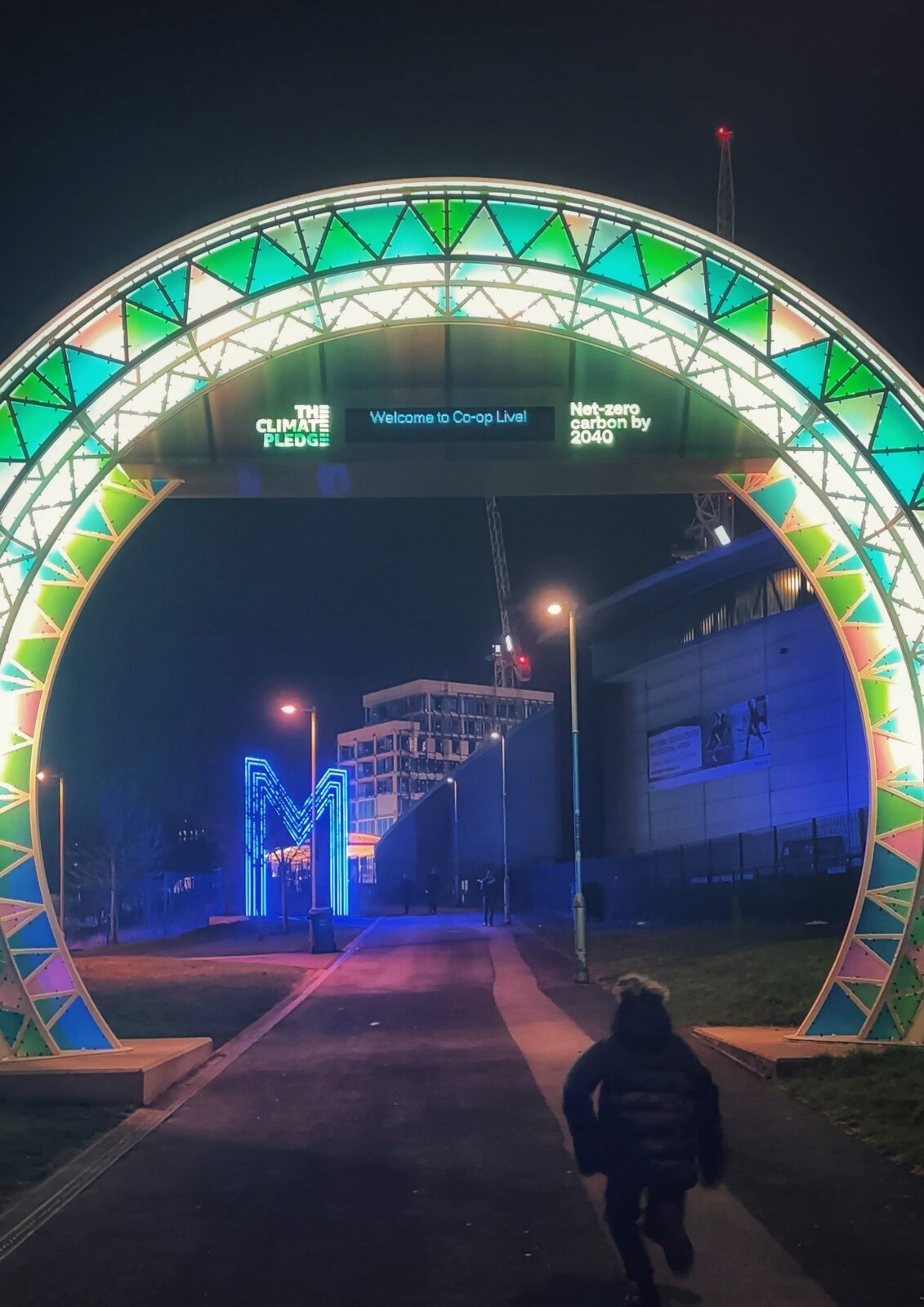
Sees the sign: ‘Race you there!’ (Credit: Audio North)
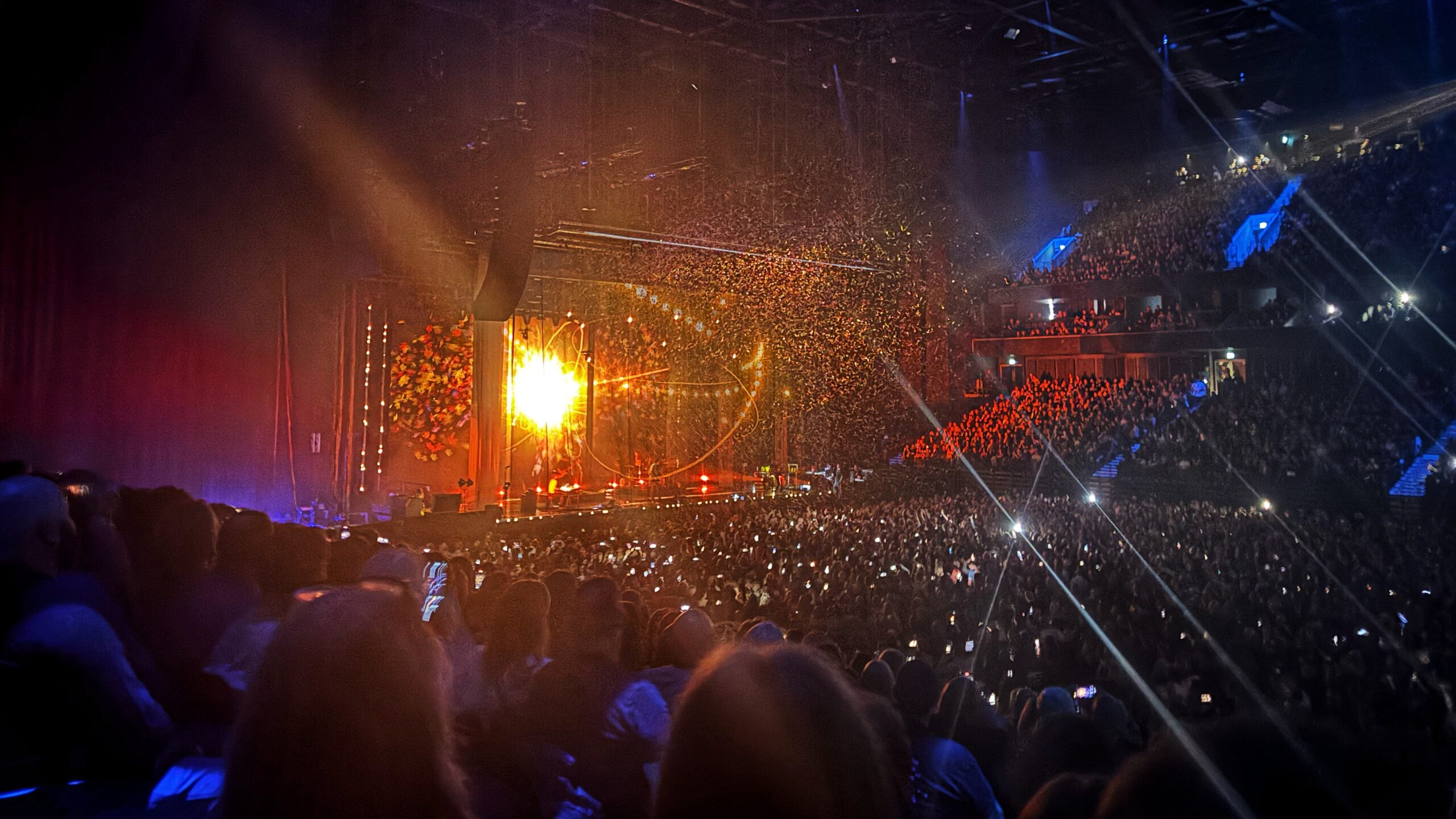
Yes, the Belfast-born frontman made a few mistakes on the night, but it did add a rather laid-back quality to what many acts might have found a daunting performance: playing a sell-out night to around 23,500 fans inside the enormous state-of-the-art venue.
But, obviously, there wasn’t even a whiff of nerves from these lads.
You don’t get to have been around for this long and become as successful as they are without being able to relax on stage and lean into those idiosyncratic perfections that feel more like private moments shared between the artist and the crowd.
The young lad sat watching it with us certainly got a kick out of it and though we might not have been able to cover his ears in time to censor some light but ever-charming swear words (it always sounds better in Irish, don’t you think?), it made for some nice banter between him and the crowd.
Big props must go to Johnny McDaid on the keys too, who besides having written for the likes of Ed Sheeran, Robbie Williams, Alicia Keys, Biffy Clyro and countless others over the years, also managed to impress by playing the majority of this entire tour after having trapped his hand in a train door. OUCH.
Credit: The Manc Group
Not only was that little interlude up there with one of the most applause-worthy parts of the entire show, but we were always pretty blown away by what we saw, as we all as what we heard.
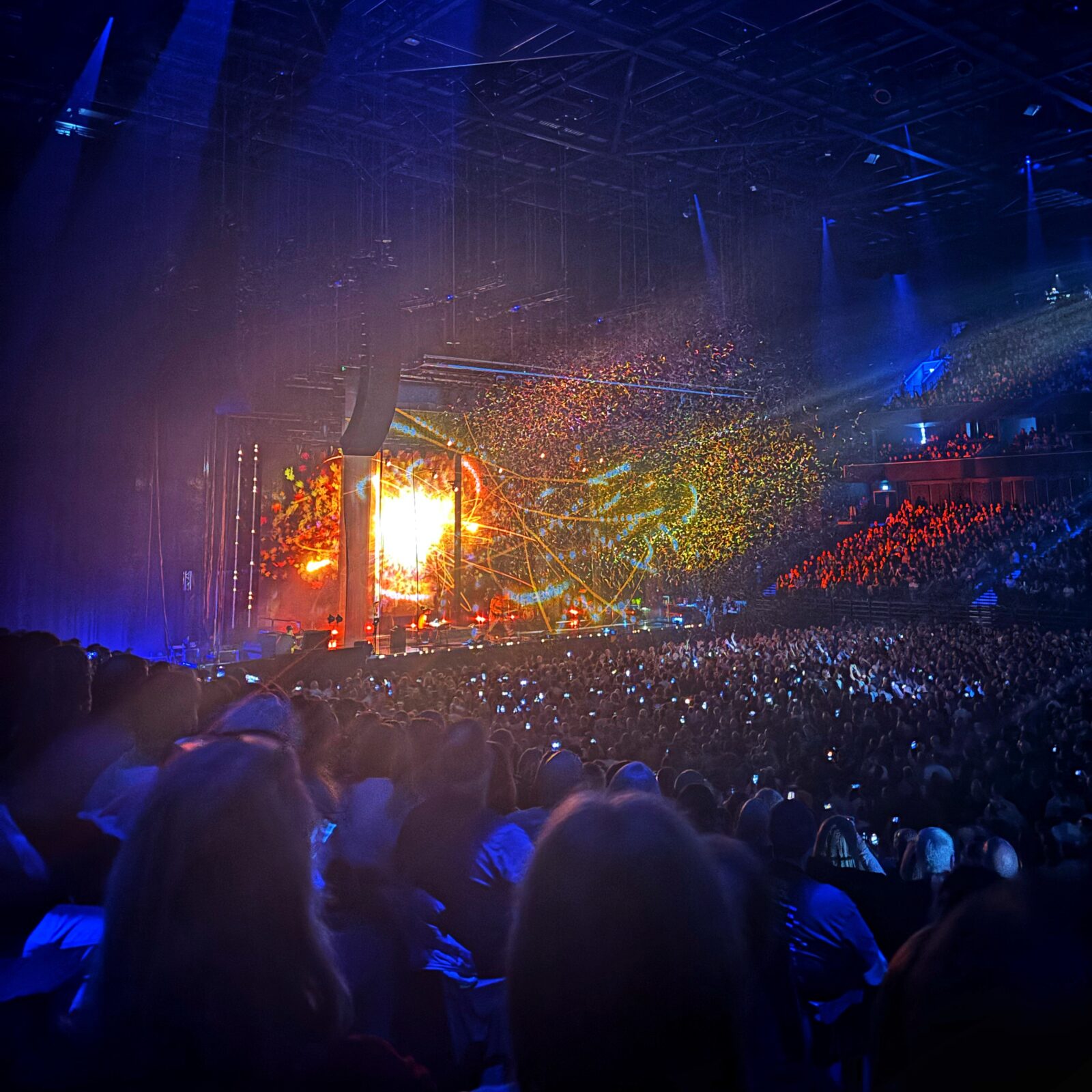
Be it watching a digital tree come to life, shed its leaves and then fall as petal confetti, two sheer semi-opaque paper-thin screens swirl to create the album cover art for their latest album, or kicking the gig off with ‘Take Back The City’ as a multicoloured skyline appeared behind them, it was all pretty incredible.
We even got to hear a personal favourite of ours, ‘Set Fire To The Third Bar’, complete with a virtual performance from the voice that truly makes the song: Martha Wainwright.
It was in moments like this when we turned to see a 10-year-old’s face not quite sure of what it was seeing but an open-mouthed expression confirming they were finding it as stunning as we were.
We thoroughly enjoyed going through the back catalogue and working our way right up to plenty of the songs from The Forest Is The Path – which Gary himself firmly believes is their best work yet when we interviewed him – but it was as visually stunning as it was to the gorgeous sonically.
Both proved to be a brilliant way to see the contemporary rock, indie and alternative veterans, but there’s something about giving them a stage as big as this that reminds you of just how much they deserve it.
Up there with one of the prettiest gig snapshots in our memory.Not quite a hologram but very cool nonetheless.The production levels are always top-tier at Co-op Live but the Snow Patrol set was much more impressive than we expected.
Last but not least, thanks to Co-op Live not just for having but for creating a little boy’s memory that he’ll never forget.
Flashbacks: The timelapse of the Trafford Centre construction that’s gone viral
Danny Jones
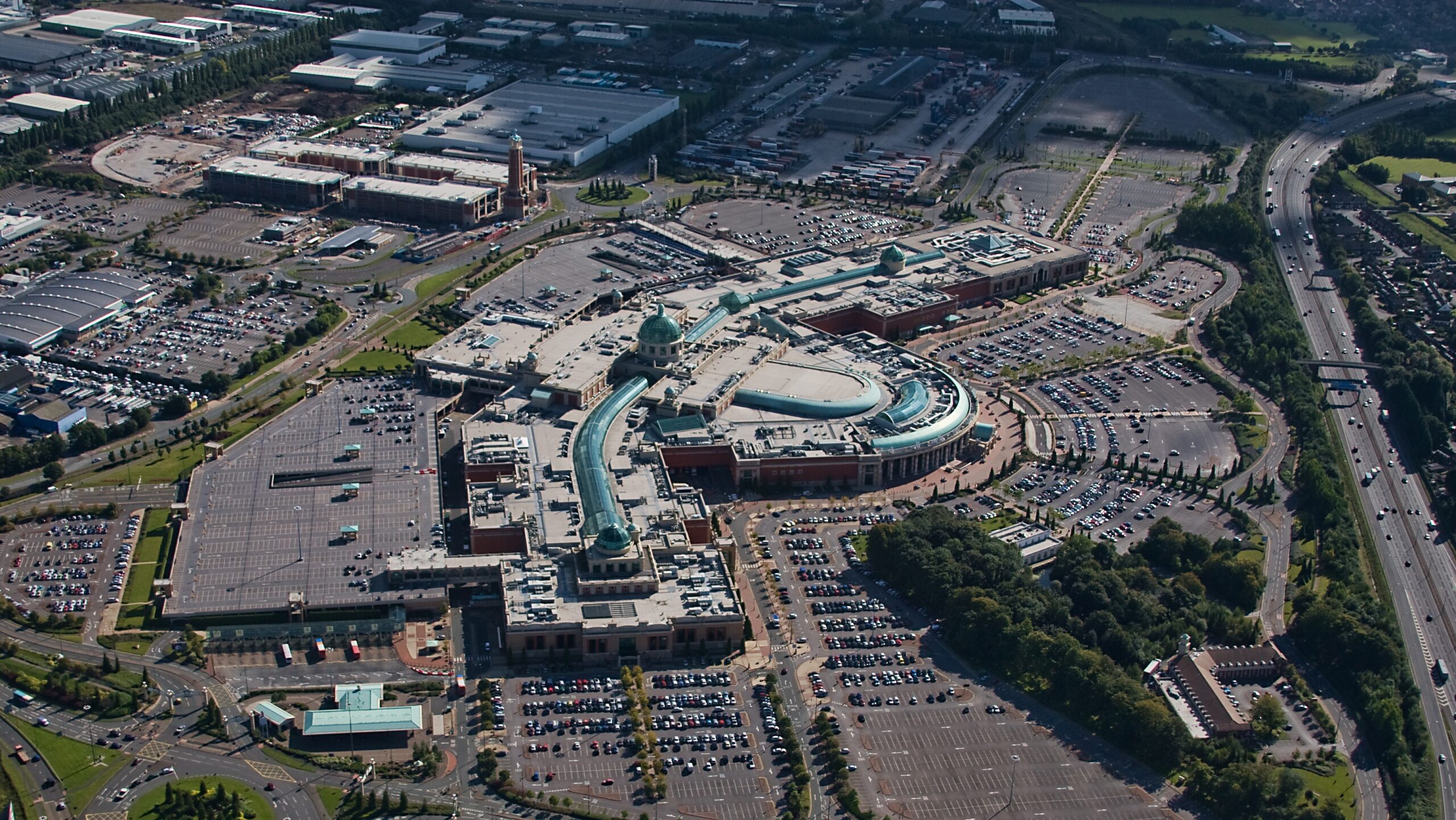
The Trafford Centre might look like some decadent Roman emperor’s palace or as if it was plucked from the heart of Ancient Grecian city, but as anyone old enough to remember it’s opening and/or construction will tell you, it seems strange to think its not even been around for three decades yet.
As Greater Manchester’s and one of the North West’s most famous shopping centres full stop, the iconic attraction first began being built back in 1996, when John Major was Prime Minister, Manchester United were still Premier League champions, Britpop was at its peak and George Michael was number one.
It’s fair to say that a lot has changed since then and although Oasis might be back come 2025, The Trafford Centre and surrounding area are pretty unrecgonisable compared to nearly 30 years ago.
All told, it took approximately 27 months to erect the neo-classical epicentre of all things shopping, leisure, food and fanciness – and here’s what the process looked like:
With the initial 14 million sq ft shopping centre being completed in September 1998 following approximately 810 days of work, The Trafford Centre debuted to the Manc public and beyond.
It took more than 3,000 builders to bring the 60 hectare site to life at the peak of construction and since then the plot has only grown bigger, bolder and more ambitious over time.
Present day, it has everything from cinema screens and a mini Legoland to a Sea Life location, multiple bowling alleys and countless other forms of entertainment beyond just rows of shops and restaurants – hence why it remains busy pretty much year-round.
Back then, British celebrities, popular local names of note, politicians, dignitaries and prominent figures from the retail industry got to visit as part of exclusive preview events in the days before its launch date.
You can see the spectacle and fascination surrounding the official opening event here:
Seems surreal watching this today but the construction of the Trafford Centre was a huge moment not just for 0161 but all of the North.
But of course, the entire complex itself has seen multiple extensions over the years, including massive developments such as Barton Square and The Great Hall.
At the outset, it cost more than £600 million to build The Trafford Centre; the major renovations mentioned above which took place in 2008 cost another £100m and the Trafford Palazzo revamp around a decade later came in at around £75m.
There has and always will be lots of money put behind this intruguing monument to modern consumerism, and big brands will continue to flock to open units within the huge expanse whenever they can: some of the most recent being Archie’s, Flying Tiger, Sephora, Tiffany, Gymshark and more.
We’ll admit the aesthetic still makes us double-take from time to time (though not as much as confused Londoners visiting for the first time), but it’s not like this part of the world hasn’t boasted plenty of other curiosities in the past…

 Georgina Pellant -
7th March 2023
Georgina Pellant -
7th March 2023