The Manchester Herald: How the city’s first radical newspaper was silenced, shut down and smashed to pieces
The Manchester Herald was a publication so inflammatory that it was shut down and had its offices smashed up within a year of its first issue - with its editors fleeing into voluntary exile.
When The Manchester Observerfinally ceased publication in 1821, the ruling elite must have breathed a sigh of relief.
The local northern newspaper had been a thorn in the side of the authorities sinceits formation three years prior – its pages littered with incendiary pieces aimed at rousing the public into forcing political change.
But governing figures began to change their minds about the Observer in 1819. Initially, they’d considered the paper a nuisance. By summer, they’d revised that view: regarding it actively dangerous.
In August, Observer editor James Wroe invited the loquacious Henry Hunt to Manchester to speak at a mass rally at St Peter’s Fields – where a crowd had gathered to ask for political representation at a time when only wealthy landowners could vote.
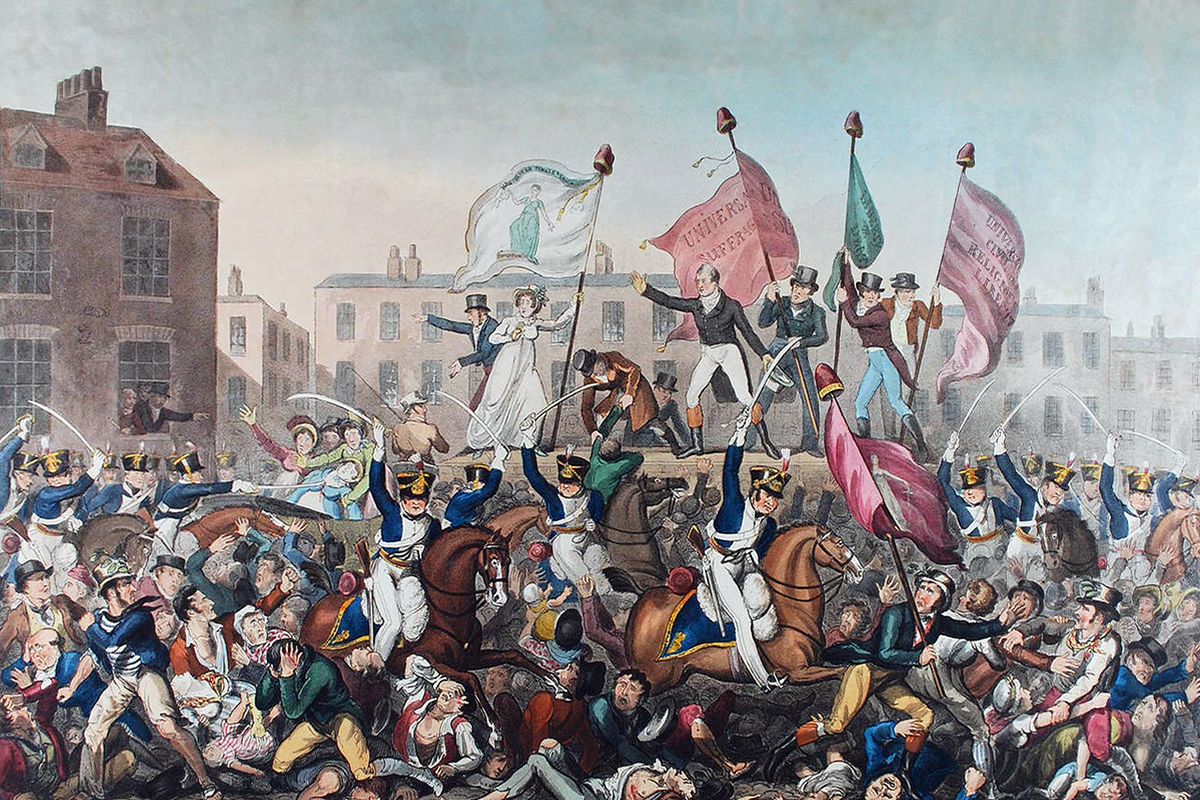
The animated but peaceful protest was invaded by troops who took a shockingly violent approach to the occasion – killing 18 people and injuring hundreds more.
The Observer exposed the murderous behaviour of the cavalry in grisly detail anddubbed the event ThePeterloo Massacre – a name which has stuck to this day.
The Peterloo Massacre / Image: Wikipedia
In the aftermath, anyone associated with the Observer was targeted, prosecuted or even imprisoned by officials, and the paper was eventually closed.
But the lingering sense of public anger (and fear) meant there was still demand for press that dared to rail against the establishment; and more progressive newspapers were born throughout the course of the century – beginning with The Manchester Guardian (which remains in print 200 years later, now based in London).
TheObserver is often hailed as Manchester’s first radical newspaper – the publication that paved the way for more robust local press.
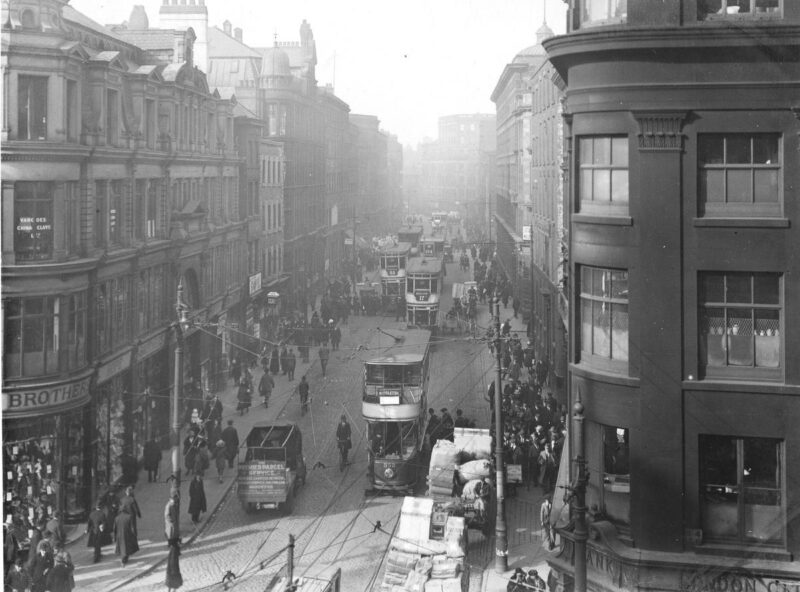
But around thirty years prior to Peterloo there was The Manchester Herald: A publication considered so inflammatory that it was shut down and smashed up within a year of its first issue – with its publishers fleeing into voluntary exile.
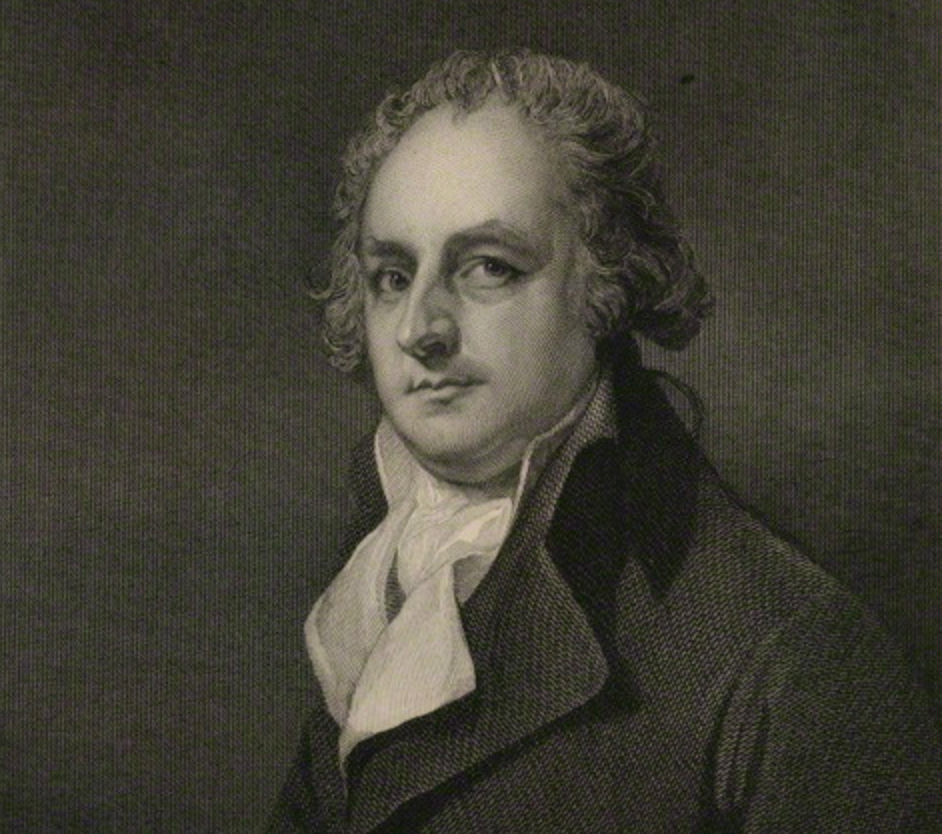
One half of the Herald founding team – Thomas Walker / Image: Wikipedia
By the end of the 18th century, there was growing demand for parliamentary reform in England, with calls emerging for changes at national and local level.
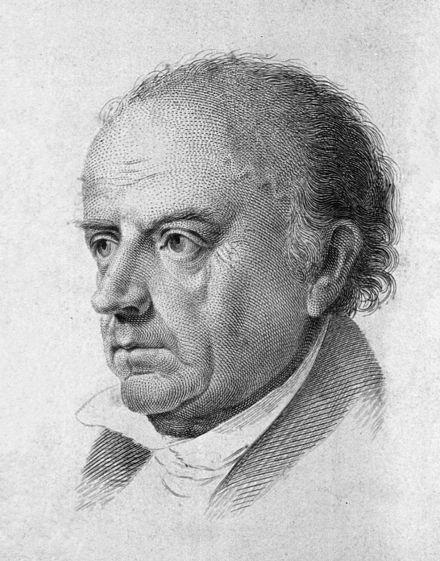
Two of the most passionate reformers in Manchester were barrister Thomas Cooper and local cotton merchant Thomas Walker.
The pair launched the Manchester Constitutional Society in 1790 and asked the city’s local newspapers – The Manchester Mercury and The Manchester Chronicle – to print the group’s notices about meetings and petitions.
Over time, however, both papers became increasingly reluctant to publish material discussing the controversial topic of parliamentary reform, so Cooper and Walker decided to set up their own newspaper instead.
They called it The Manchester Herald – and convinced local stationer Matthew Falkner (and his business partner William Birch) to print it.
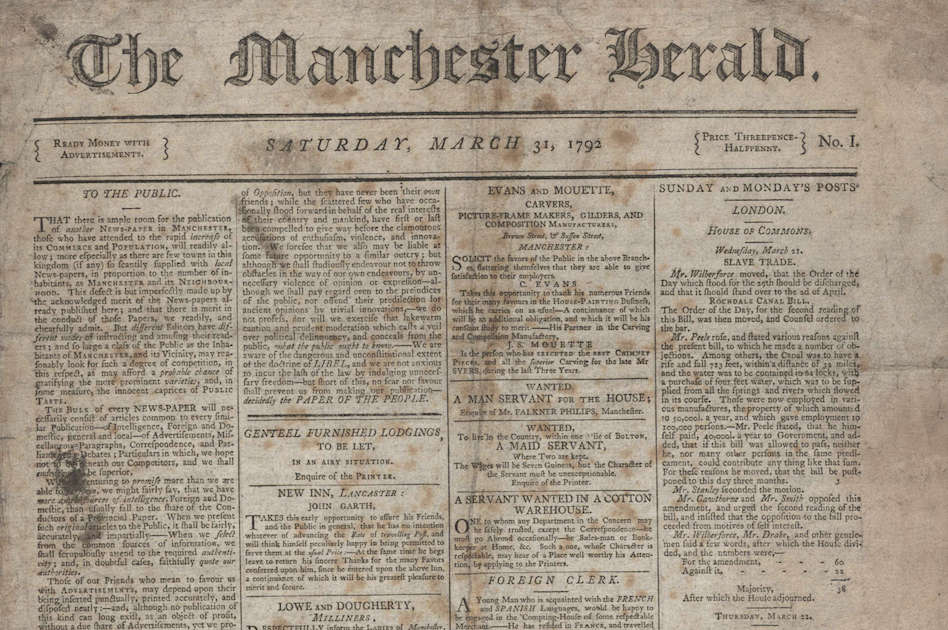
The publication was the self-proclaimed ‘paper of the people’ and released its first edition on 31 March 1792.
Around 50 issues of the Herald were created overall – the last of which was published on 23 March 1793.
Despite its fleeting existence, the Herald was described as operating with “a degree of spirit and reputation that will not soon be forgotten in [the] neighbourhood”; packed with radical writing including abolitionist articles and “positive” pieces about the French Revolution.
The paper’s progressive stance made it some powerful enemies in the process.
In December 1792, an angry pack of Loyalists – described by writer John Bugg as a “drunken church-and-king mob” – raided the Herald’s offices on Market Place, before attempting to attack the paper’s founder Walker at his home.
The editor scared them away by firing his gun above their heads.
The other half of the Herald founding team – Thomas Cooper / Image: Wikipedia
The Herald was repeatedly targeted in the subsequent months, and by spring the government initiated legal action to ensure the newspaper was shut down.
The publication’s critics revelled inits demise and quickly danced on its grave – smashing up the Herald premises and hurling printing equipment into the street.
The Herald’s printer’s – Falkner and Birch – fled to America, “preferring a voluntary exile to imprisonment”.
Falkner returned home several years later but never retrieved his stationery business, printing house or property, and passed away in Burnley in 1824.
One of Falkner’s friends bemoaned the unfairness of the situation, claiming Falkner had been “seduced into political opposition” and was “deserted” by his former allies in the adversity surrounding the Herald‘s closure.
Falkner’s obituary read: “One of the kindest-hearted of mankind was driven from his country, and his fortunes, till then prosperous, entirely ruined.”
Herald co-founder Walker was placed on trial for treason in 1794 – accused of attempting to mobilise his own army (the incident in which he fired a gun at invaders was raised in court).
But the prosecution leaned heavily on a testimony from an informer who proved to be drunk and unreliable, and eventually Walker was acquitted.
He dabbled on and off in local politics in his later years, and died in 1817.
Fellow Herald founder Cooper, meanwhile, moved to the States in 1794, developing a reputation as an academic leader who was, according to President Thomas Jefferson, “one of the ablest men in America”.
He passed away in Columbia in 1839.
Feature
Review | Snow Patrol roll back the years at Co-op Live for a mini-Manc’s first gig
Danny Jones
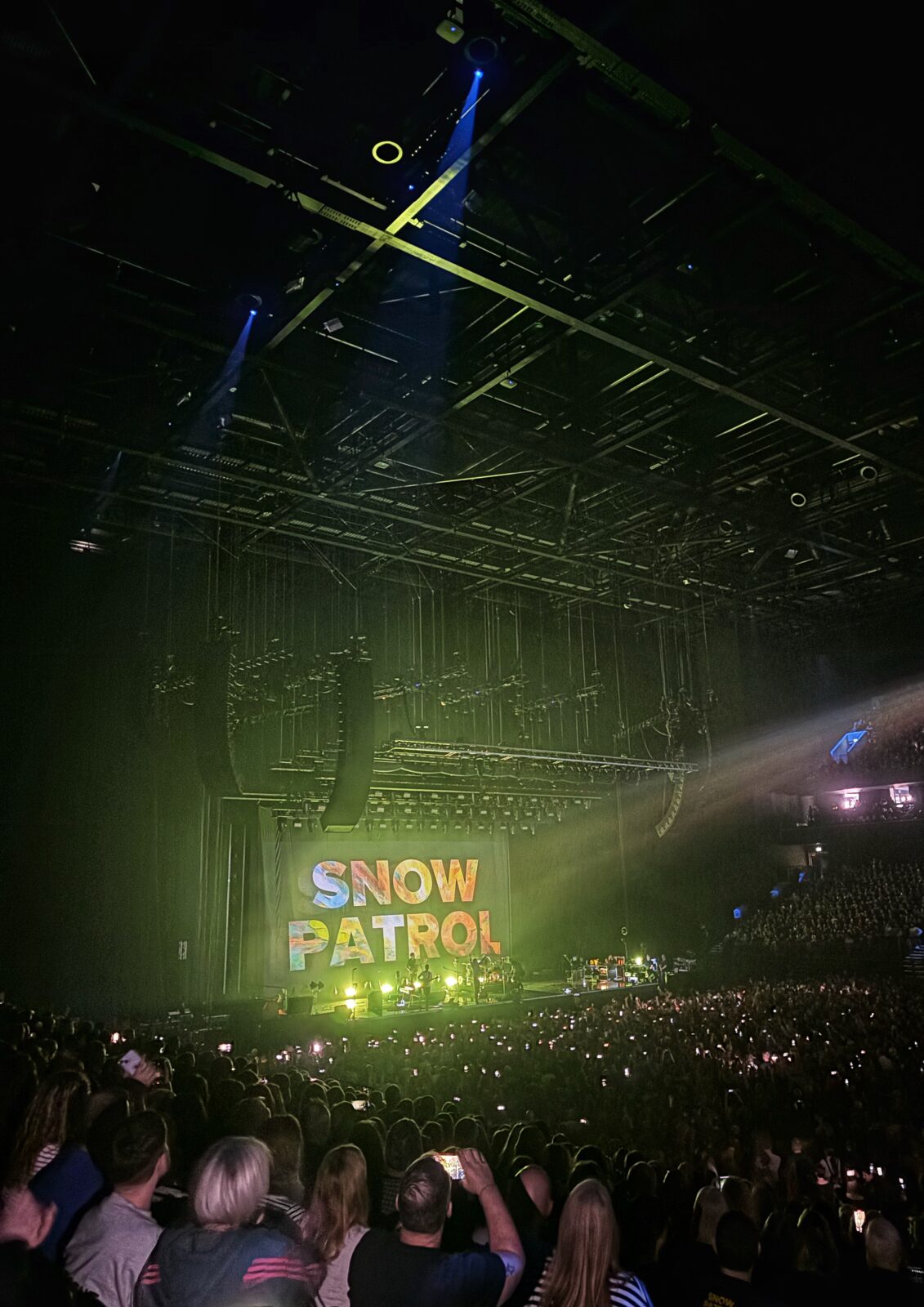
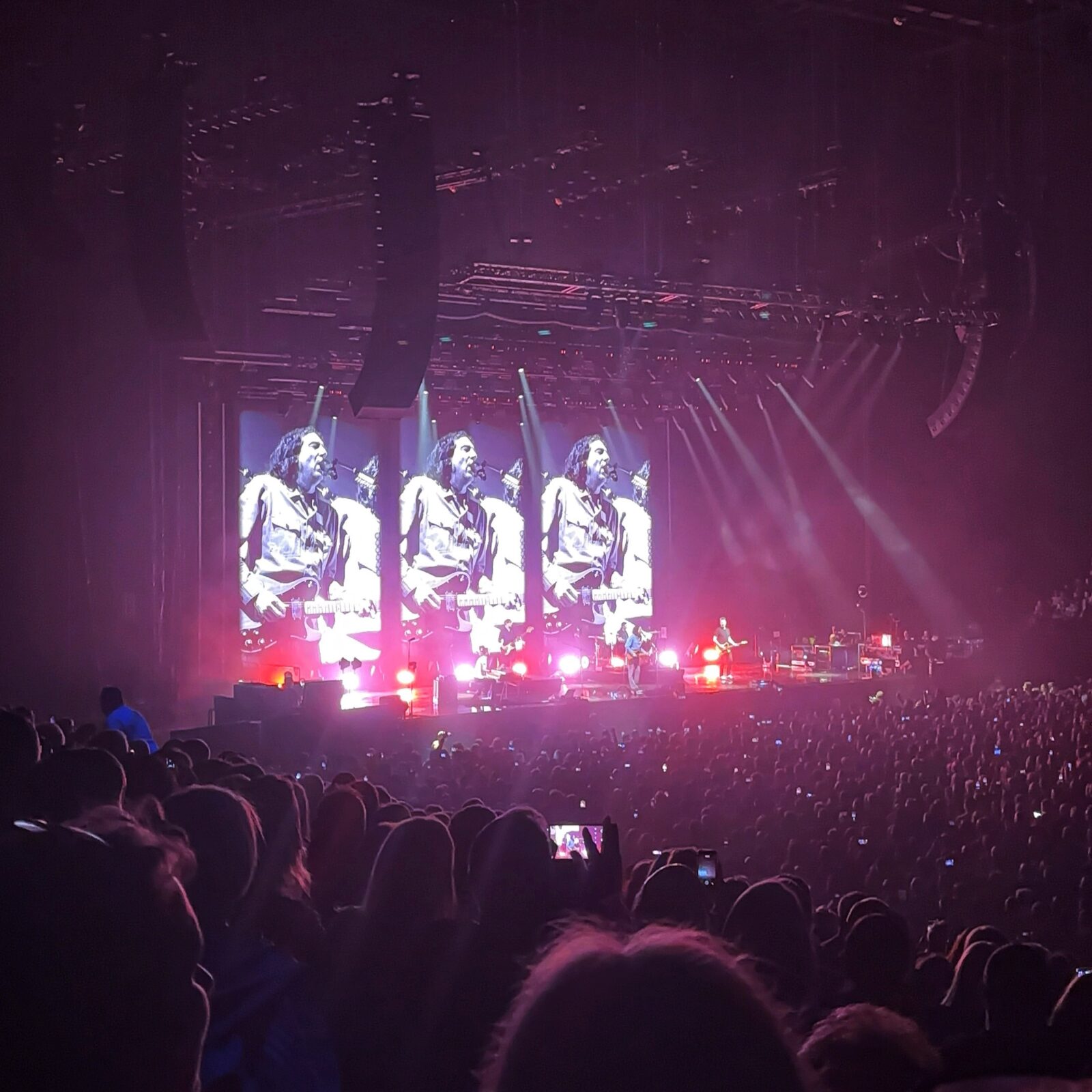
This weekend we enjoyed a new kind of live music experience: rediscovering the joy of listening to a childhood favourite by watching it through the eyes of the next generation – that was how we witnessed a fully-fledged arena return to Manchester for Snow Patrol at Co-op Live.
And it was special for lots of reasons.
Taking a little one to their first gig is something you’ll never forget and sharing a new-found connection with a band that you loved when you were their age is one of those magical things about music that we’re eternally grateful for.
You might assume the Snow Patrol crowd one skews a little older for the most part but we were pleased to see there were more than a few kids and teenagers donning tour tees, looking wide-eyed at the sheer size of the Co-op Live arena, and singing the words back better than Gary Lightbody at times.
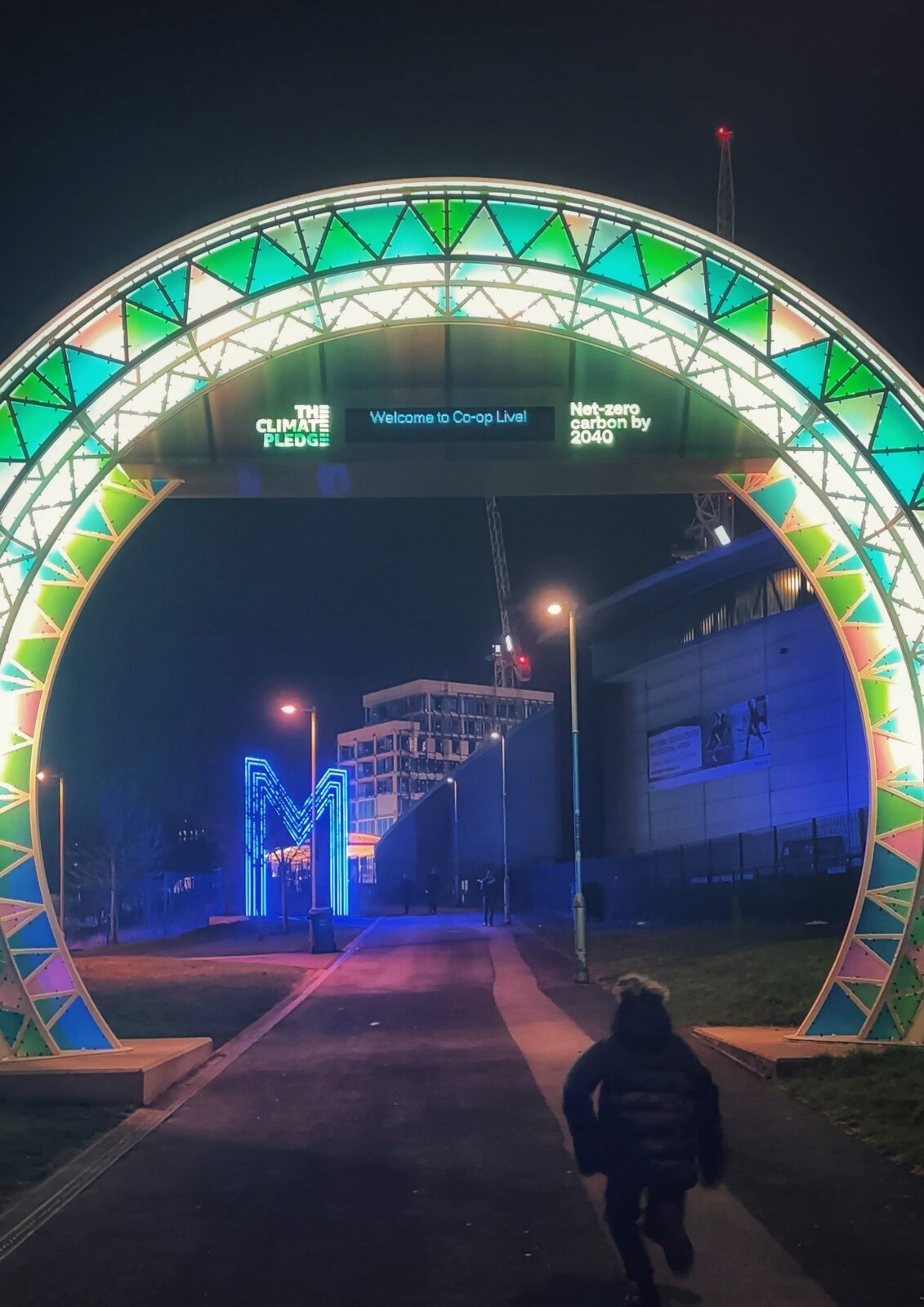
Sees the sign: ‘Race you there!’ (Credit: Audio North)
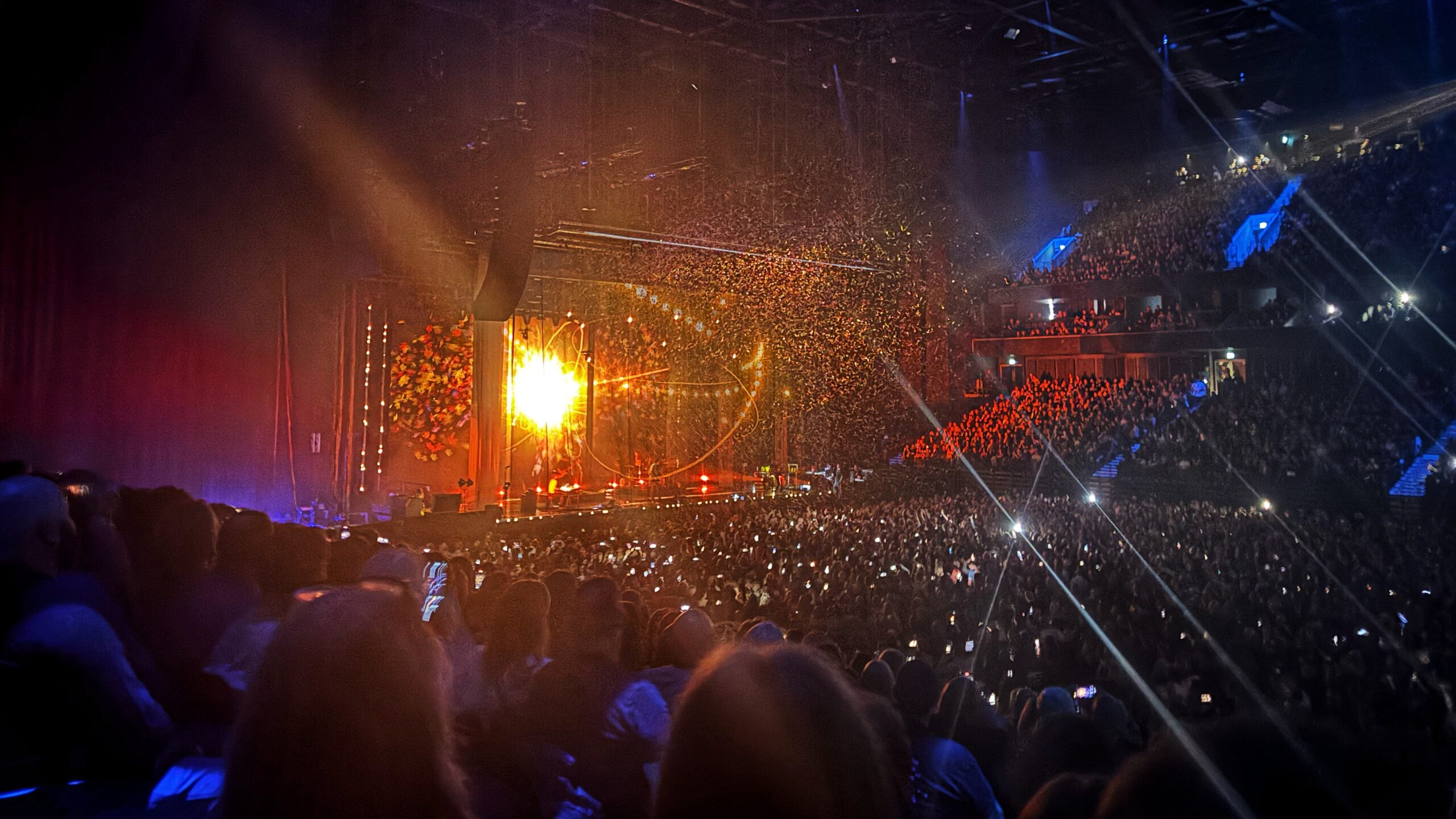
Yes, the Belfast-born frontman made a few mistakes on the night, but it did add a rather laid-back quality to what many acts might have found a daunting performance: playing a sell-out night to around 23,500 fans inside the enormous state-of-the-art venue.
But, obviously, there wasn’t even a whiff of nerves from these lads.
You don’t get to have been around for this long and become as successful as they are without being able to relax on stage and lean into those idiosyncratic perfections that feel more like private moments shared between the artist and the crowd.
The young lad sat watching it with us certainly got a kick out of it and though we might not have been able to cover his ears in time to censor some light but ever-charming swear words (it always sounds better in Irish, don’t you think?), it made for some nice banter between him and the crowd.
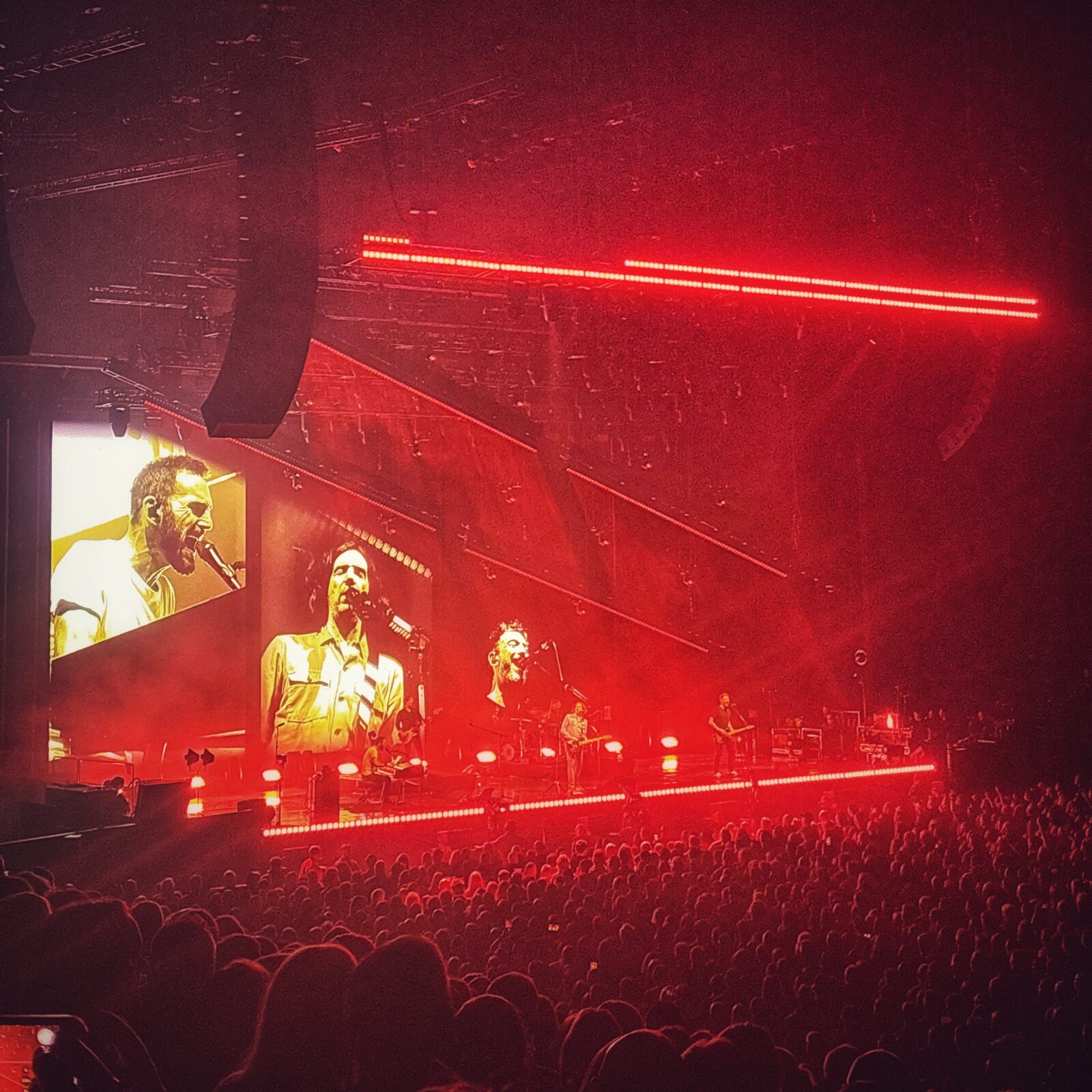
Big props must go to Johnny McDaid on the keys too, who besides having written for the likes of Ed Sheeran, Robbie Williams, Alicia Keys, Biffy Clyro and countless others over the years, also managed to impress by playing the majority of this entire tour after having trapped his hand in a train door. OUCH.
Credit: The Manc Group
Not only was that little interlude up there with one of the most applause-worthy parts of the entire show, but we were always pretty blown away by what we saw, as we all as what we heard.
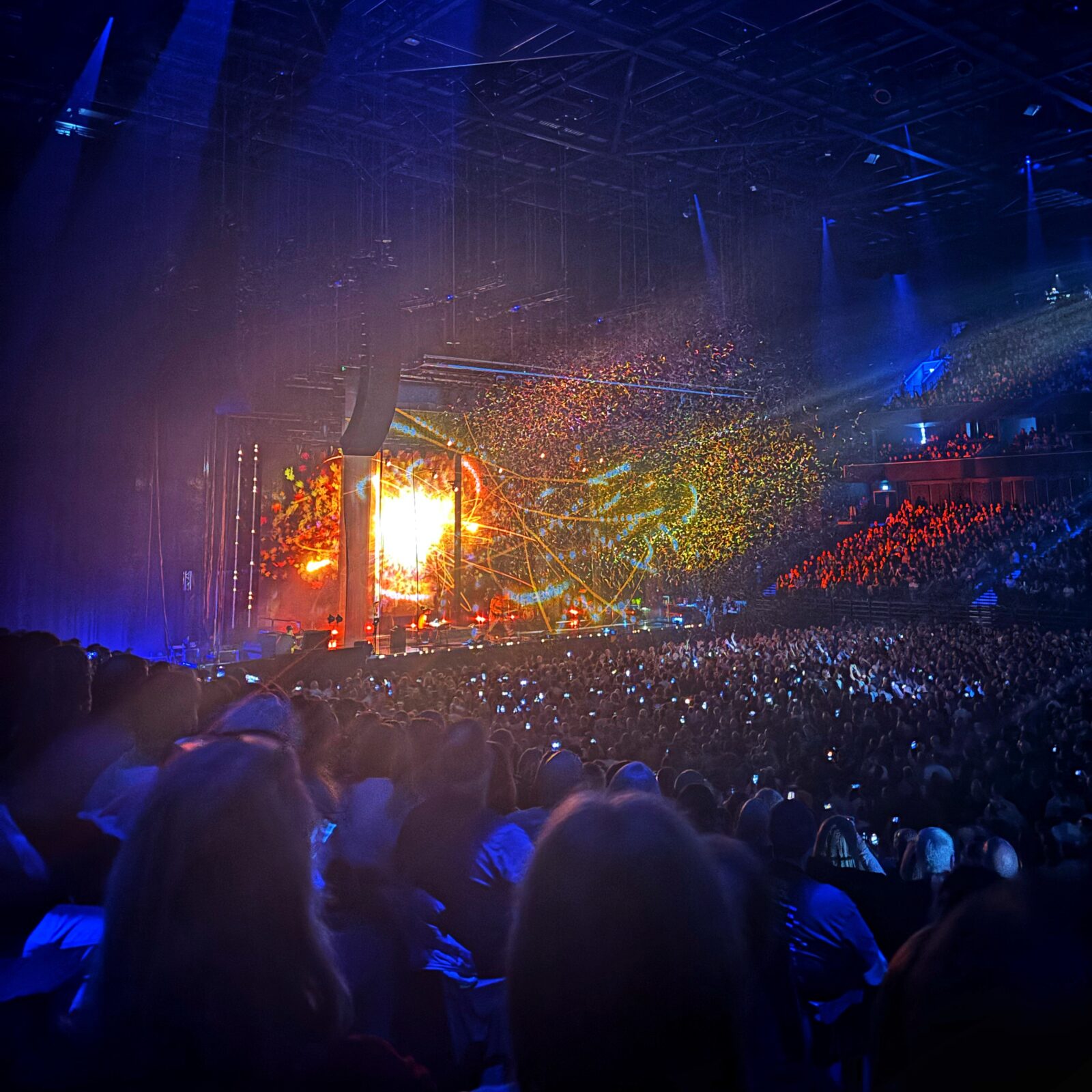
Be it watching a digital tree come to life, shed its leaves and then fall as petal confetti, two sheer semi-opaque paper-thin screens swirl to create the album cover art for their latest album, or kicking the gig off with ‘Take Back The City’ as a multicoloured skyline appeared behind them, it was all pretty incredible.
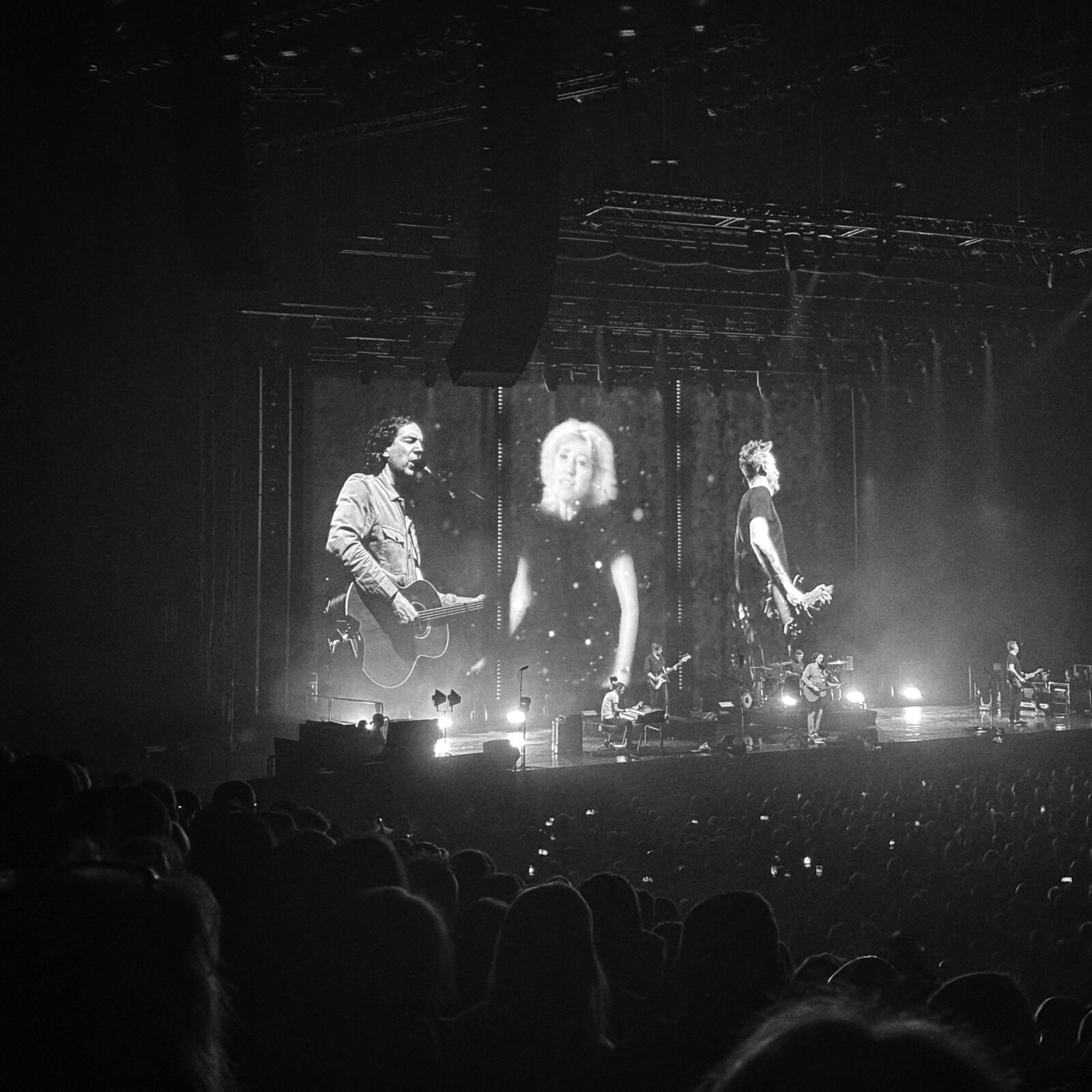
We even got to hear a personal favourite of ours, ‘Set Fire To The Third Bar’, complete with a virtual performance from the voice that truly makes the song: Martha Wainwright.
It was in moments like this when we turned to see a 10-year-old’s face not quite sure of what it was seeing but an open-mouthed expression confirming they were finding it as stunning as we were.
We thoroughly enjoyed going through the back catalogue and working our way right up to plenty of the songs from The Forest Is The Path – which Gary himself firmly believes is their best work yet when we interviewed him – but it was as visually stunning as it was to the gorgeous sonically.
Both proved to be a brilliant way to see the contemporary rock, indie and alternative veterans, but there’s something about giving them a stage as big as this that reminds you of just how much they deserve it.
Up there with one of the prettiest gig snapshots in our memory.Not quite a hologram but very cool nonetheless.The production levels are always top-tier at Co-op Live but the Snow Patrol set was much more impressive than we expected.
Last but not least, thanks to Co-op Live not just for having but for creating a little boy’s memory that he’ll never forget.
Flashbacks: The timelapse of the Trafford Centre construction that’s gone viral
Danny Jones
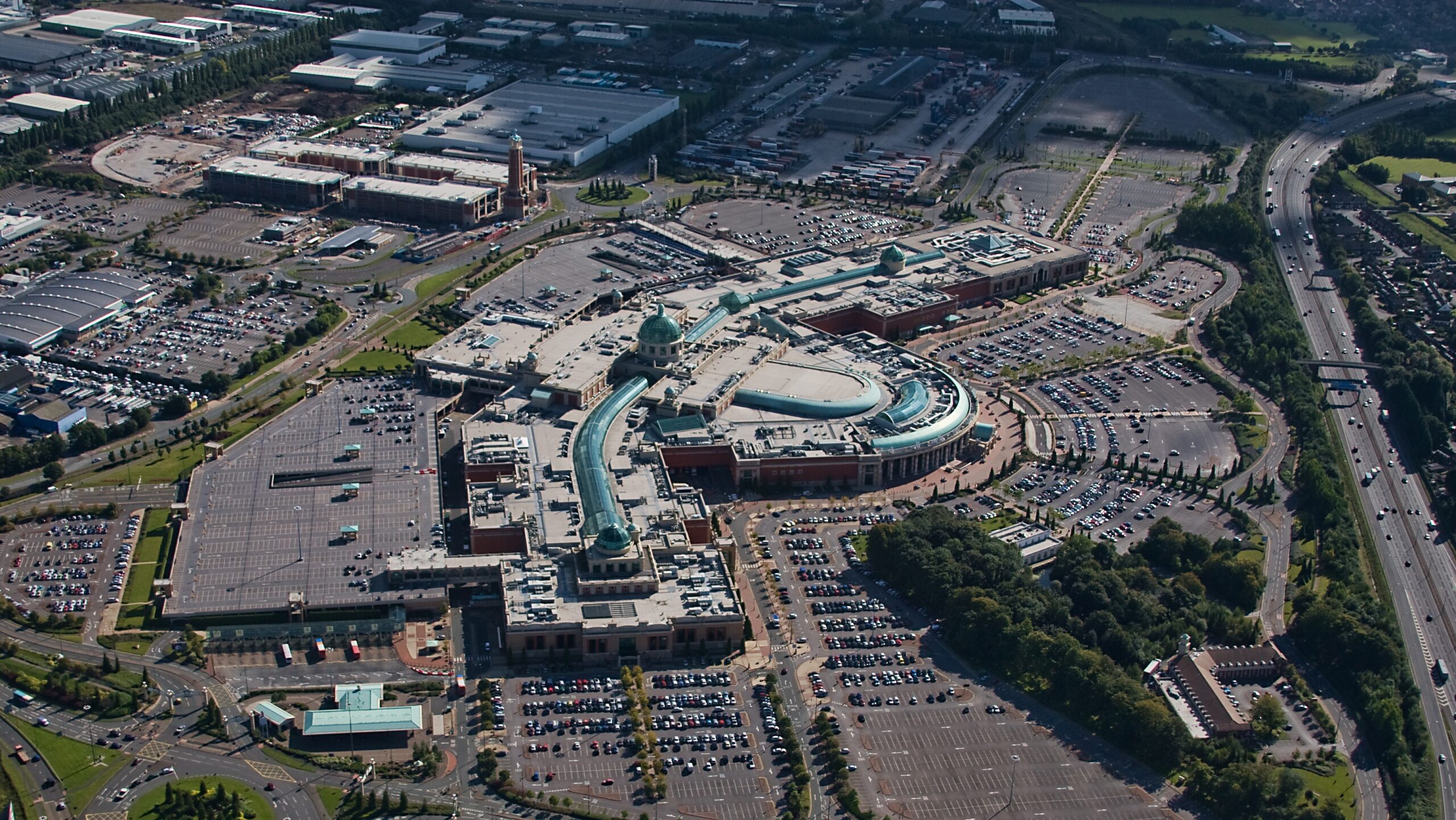
The Trafford Centre might look like some decadent Roman emperor’s palace or as if it was plucked from the heart of Ancient Grecian city, but as anyone old enough to remember it’s opening and/or construction will tell you, it seems strange to think its not even been around for three decades yet.
As Greater Manchester’s and one of the North West’s most famous shopping centres full stop, the iconic attraction first began being built back in 1996, when John Major was Prime Minister, Manchester United were still Premier League champions, Britpop was at its peak and George Michael was number one.
It’s fair to say that a lot has changed since then and although Oasis might be back come 2025, The Trafford Centre and surrounding area are pretty unrecgonisable compared to nearly 30 years ago.
All told, it took approximately 27 months to erect the neo-classical epicentre of all things shopping, leisure, food and fanciness – and here’s what the process looked like:
With the initial 14 million sq ft shopping centre being completed in September 1998 following approximately 810 days of work, The Trafford Centre debuted to the Manc public and beyond.
It took more than 3,000 builders to bring the 60 hectare site to life at the peak of construction and since then the plot has only grown bigger, bolder and more ambitious over time.
Present day, it has everything from cinema screens and a mini Legoland to a Sea Life location, multiple bowling alleys and countless other forms of entertainment beyond just rows of shops and restaurants – hence why it remains busy pretty much year-round.
Back then, British celebrities, popular local names of note, politicians, dignitaries and prominent figures from the retail industry got to visit as part of exclusive preview events in the days before its launch date.
You can see the spectacle and fascination surrounding the official opening event here:
Seems surreal watching this today but the construction of the Trafford Centre was a huge moment not just for 0161 but all of the North.
But of course, the entire complex itself has seen multiple extensions over the years, including massive developments such as Barton Square and The Great Hall.
At the outset, it cost more than £600 million to build The Trafford Centre; the major renovations mentioned above which took place in 2008 cost another £100m and the Trafford Palazzo revamp around a decade later came in at around £75m.
There has and always will be lots of money put behind this intruguing monument to modern consumerism, and big brands will continue to flock to open units within the huge expanse whenever they can: some of the most recent being Archie’s, Flying Tiger, Sephora, Tiffany, Gymshark and more.
We’ll admit the aesthetic still makes us double-take from time to time (though not as much as confused Londoners visiting for the first time), but it’s not like this part of the world hasn’t boasted plenty of other curiosities in the past…

 The Manc -
4th March 2021
The Manc -
4th March 2021