A global powerhouse of a city that’s instantly-recognisable for its rich industrial and historical background, its impressive architecture, vast cultural landscape, musical exports, media links, scientific and engineering output, social impact, sports clubs, famous faces, transport connections, and so much more.
Not to mention, it’s also home to a growing population of more than 2.8 million people – the best people in the world, we might add.
But what does the word Manchester actually mean?
And how often do Mancunians genuinely stop to have a think about where our city’s name comes from?
Our guess is probably very rarely.
Perhaps it’s a thought that pops into your head once every blue moon (or red moon, if you’re from that side of town), but you never think to act on finding out the answer, and then before you know it, you’ve forgotten about the thought entirely and you end up carrying on with your life none the wiser.
Even if you do have a vague idea about its origins, there’s a good chance you don’t know the full story behind it, so let’s get the the bottom of it then, shall we?
Geograph
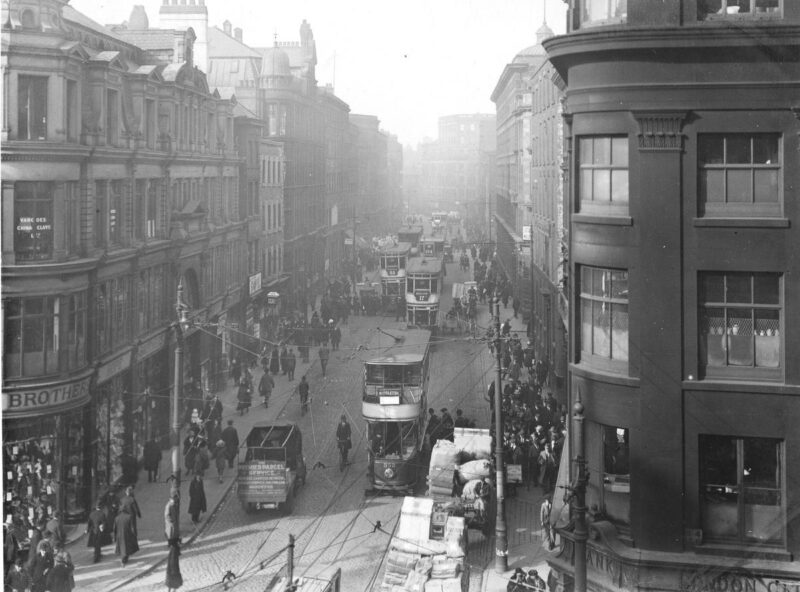
The history of the Manchester name began during the Roman conquest of Britain.
If we’re explaining it in simple terms, it all started when a simple timber fort – constructed to help defeat a local Celtic tribe named the Brigantes – was built sometime between AD 78-86 on a rocky outcrop at the place where the River Irwell and River Medlock met.
This fort was then rebuilt in stone at the beginning of the third century and was given the Latinate name Mamucium (also known as Mancunium).
Mamucium means ‘place of the breast-like hill’, and was named for the mound on which it stood.
While these names are generally thought to represent a Latinisation of the original Brittonic word mamm – meaning ‘breast’ – and have become known as the accepted etymology for Manchester, more recent work does however suggest that it could come from mamma – meaning ‘mother’ – which is in reference to a local river goddess.
The ‘place of the breast-like hill’ definition is the first reference of occupation of the area, although the fort and small village that sprung up beside that breast-shaped sandstone bluff are understood to have been abandoned after the fourth century, with the next settlement being situated just a mile away at the site where Manchester Cathedral now stands on Victoria Street in the city centre.
It didn’t quite end there though, as the evolution of the settlement continued over the centuries, with the Anglo-Saxons changing the fort’s name to Mameceastre in 1086.
This is believed to have come from the Old English word ceaster – which means a ‘Roman fortification / Roman town or city’ and itself being loanword from the Latin castra, also meaning ‘fort or fortified town’ – which you may also recognise as being similar to the name of the nearby city of Chester.
And as the years went by and the usage became more frequent and widespread, the name Mameceastre gradually evolved to be known as the name we so proudly use today – Manchester.
But what about the adjective to describe the city’s brilliant people?
Well, this one’s a little easier to work out.
The word has directly evolved from the medieval Latin form of the place-name, Mancunium, with linguists and historians believing ‘Mancunian’ was most likely a neologism (new word) coined in the Victorian times, before eventually being shortened to Manc
So, there you have it.
Feature
Review | Snow Patrol roll back the years at Co-op Live for a mini-Manc’s first gig
Danny Jones
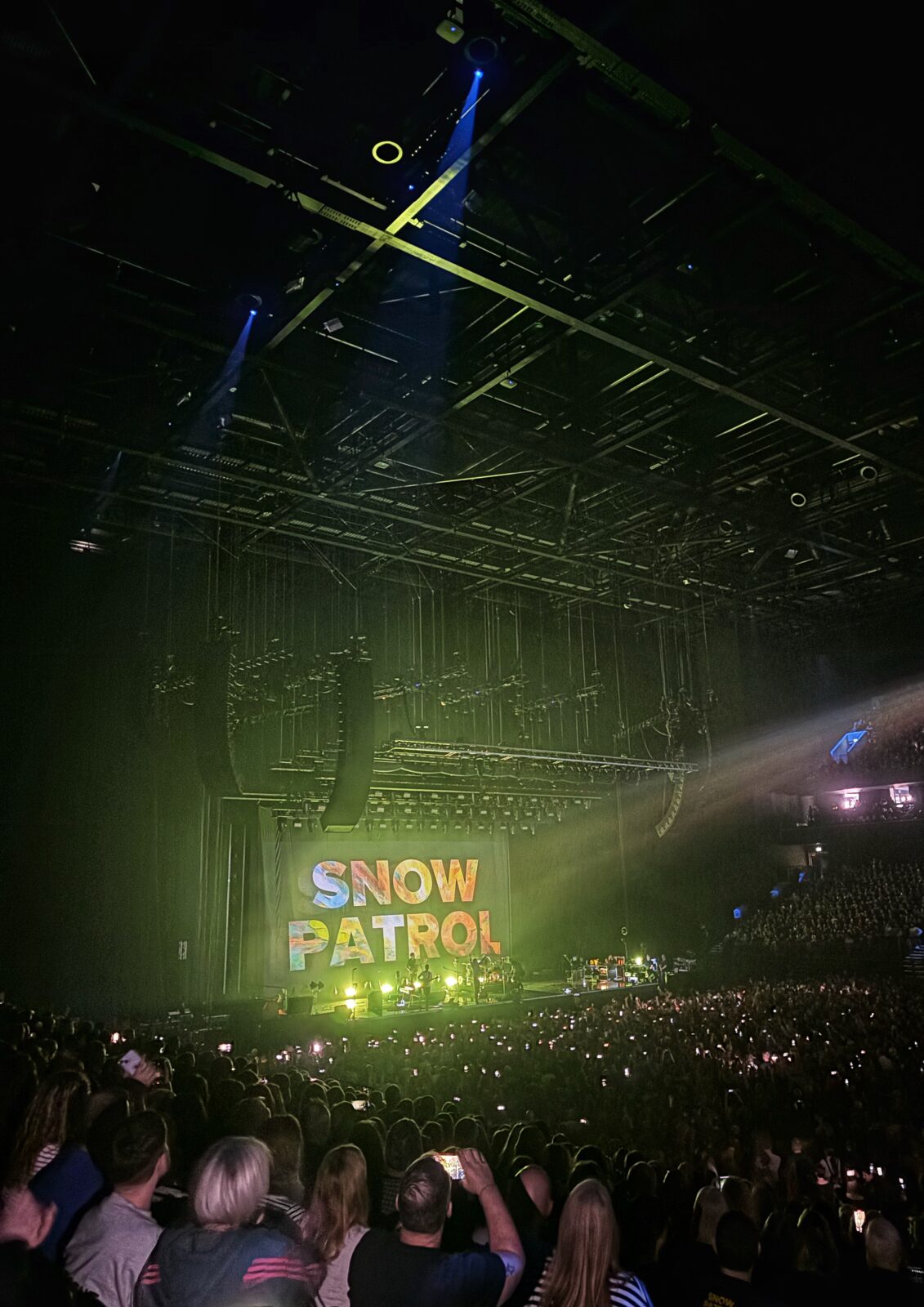
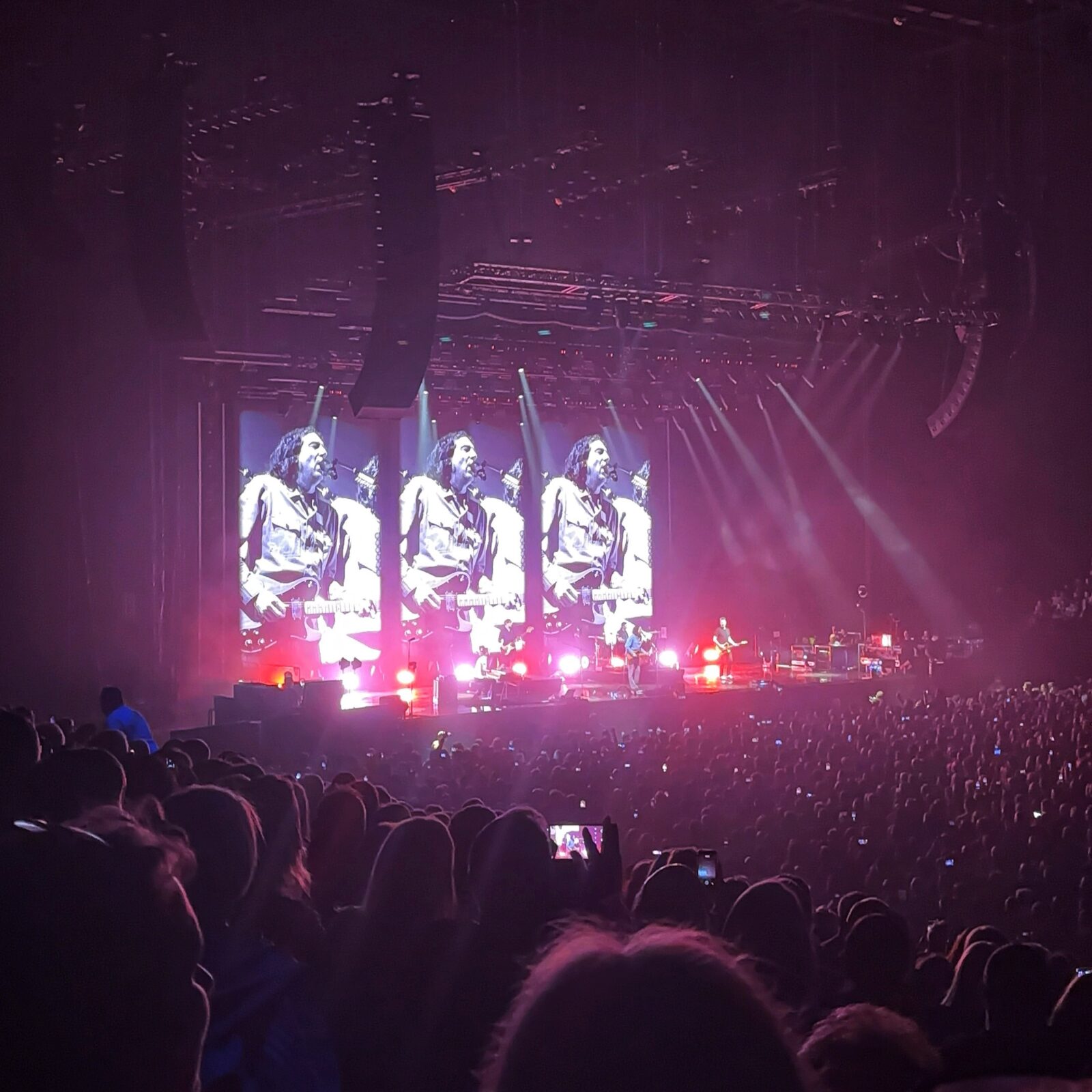
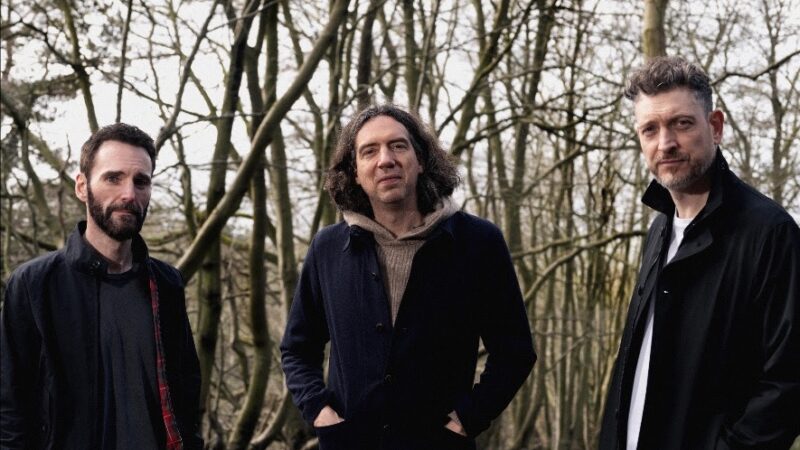
This weekend we enjoyed a new kind of live music experience: rediscovering the joy of listening to a childhood favourite by watching it through the eyes of the next generation – that was how we witnessed a fully-fledged arena return to Manchester for Snow Patrol at Co-op Live.
And it was special for lots of reasons.
Taking a little one to their first gig is something you’ll never forget and sharing a new-found connection with a band that you loved when you were their age is one of those magical things about music that we’re eternally grateful for.
You might assume the Snow Patrol crowd one skews a little older for the most part but we were pleased to see there were more than a few kids and teenagers donning tour tees, looking wide-eyed at the sheer size of the Co-op Live arena, and singing the words back better than Gary Lightbody at times.
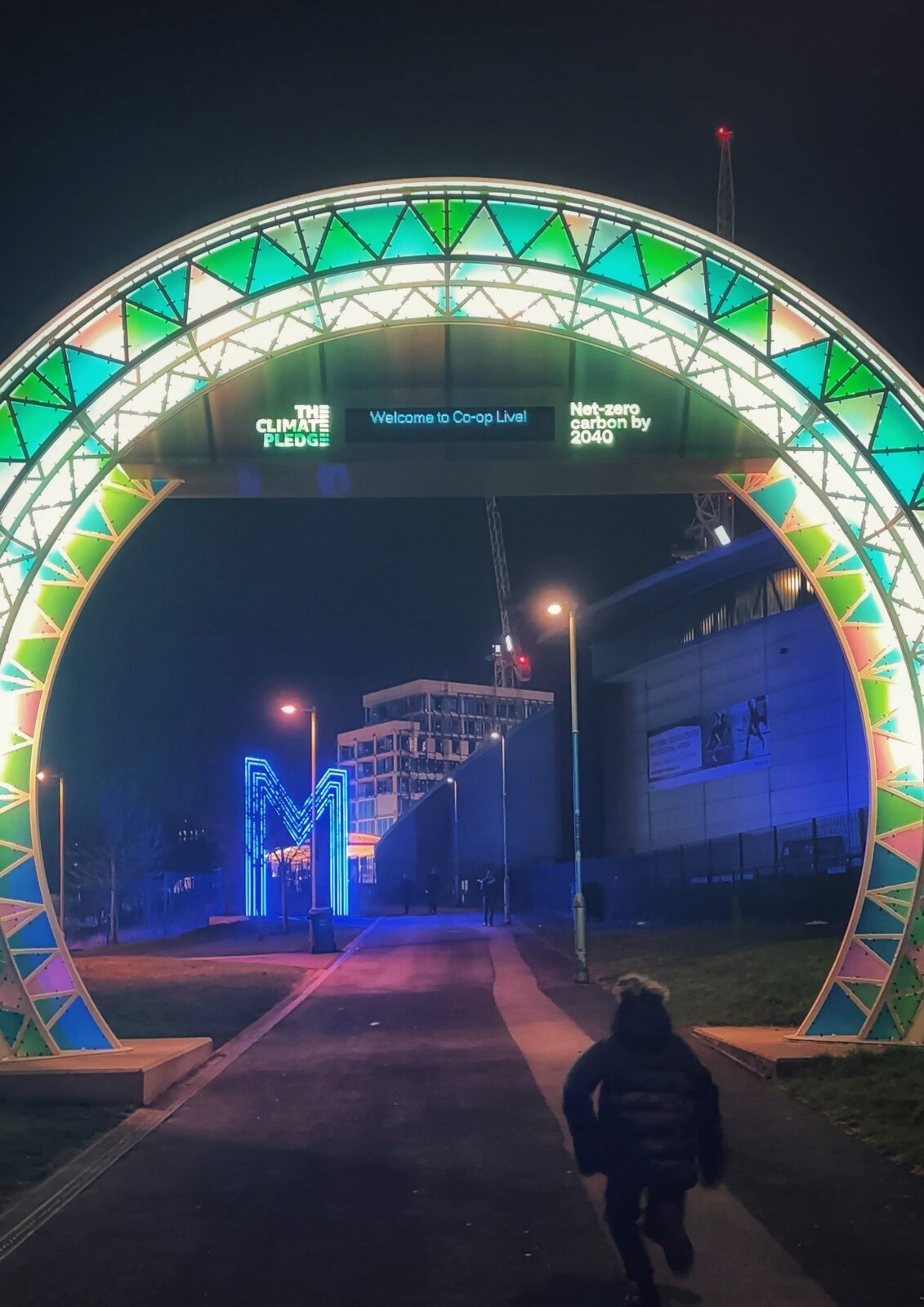
Sees the sign: ‘Race you there!’ (Credit: Audio North)
Yes, the Belfast-born frontman made a few mistakes on the night, but it did add a rather laid-back quality to what many acts might have found a daunting performance: playing a sell-out night to around 23,500 fans inside the enormous state-of-the-art venue.
But, obviously, there wasn’t even a whiff of nerves from these lads.
You don’t get to have been around for this long and become as successful as they are without being able to relax on stage and lean into those idiosyncratic perfections that feel more like private moments shared between the artist and the crowd.
The young lad sat watching it with us certainly got a kick out of it and though we might not have been able to cover his ears in time to censor some light but ever-charming swear words (it always sounds better in Irish, don’t you think?), it made for some nice banter between him and the crowd.
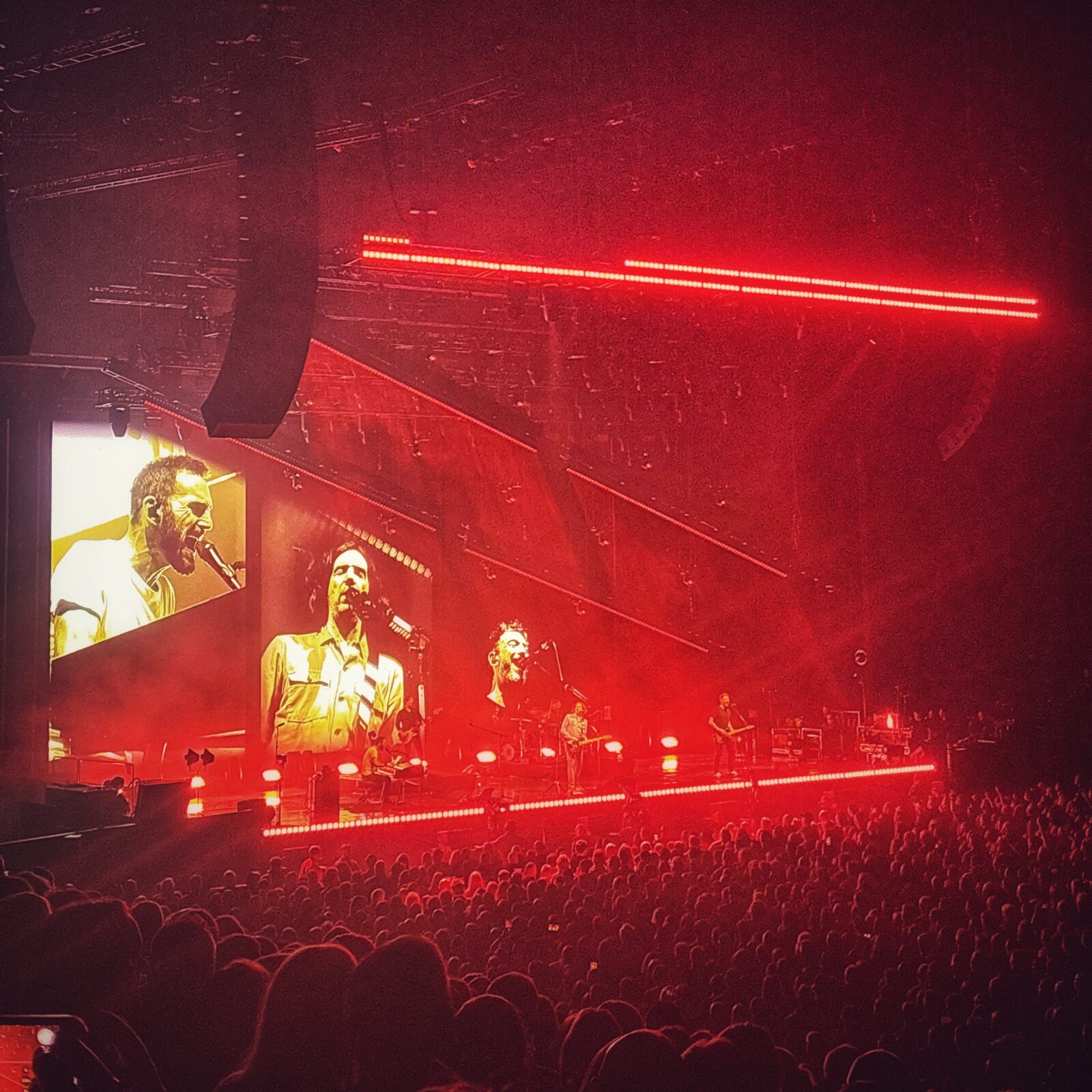
Big props must go to Johnny McDaid on the keys too, who besides having written for the likes of Ed Sheeran, Robbie Williams, Alicia Keys, Biffy Clyro and countless others over the years, also managed to impress by playing the majority of this entire tour after having trapped his hand in a train door. OUCH.
Credit: The Manc Group
Not only was that little interlude up there with one of the most applause-worthy parts of the entire show, but we were always pretty blown away by what we saw, as we all as what we heard.
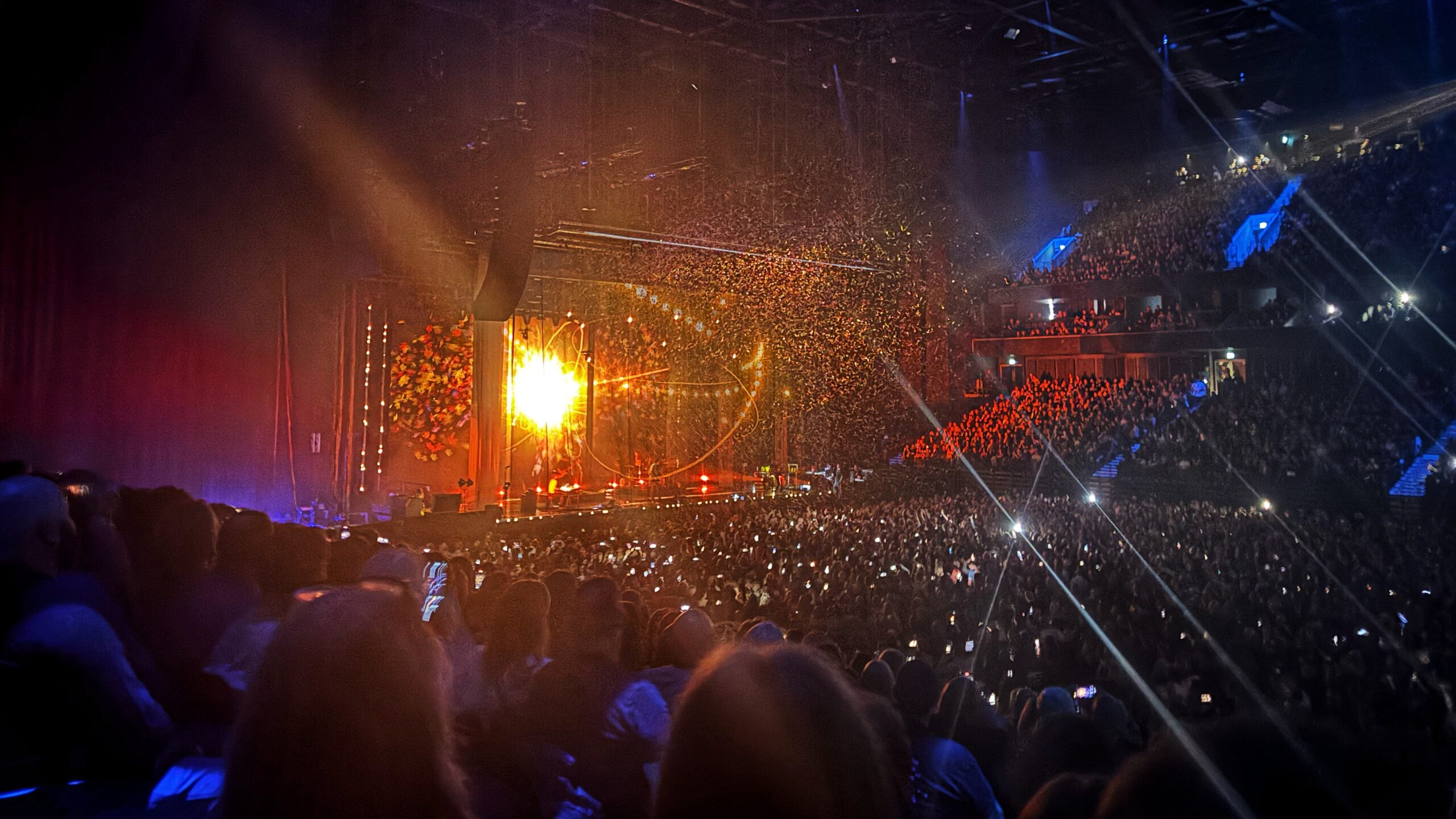
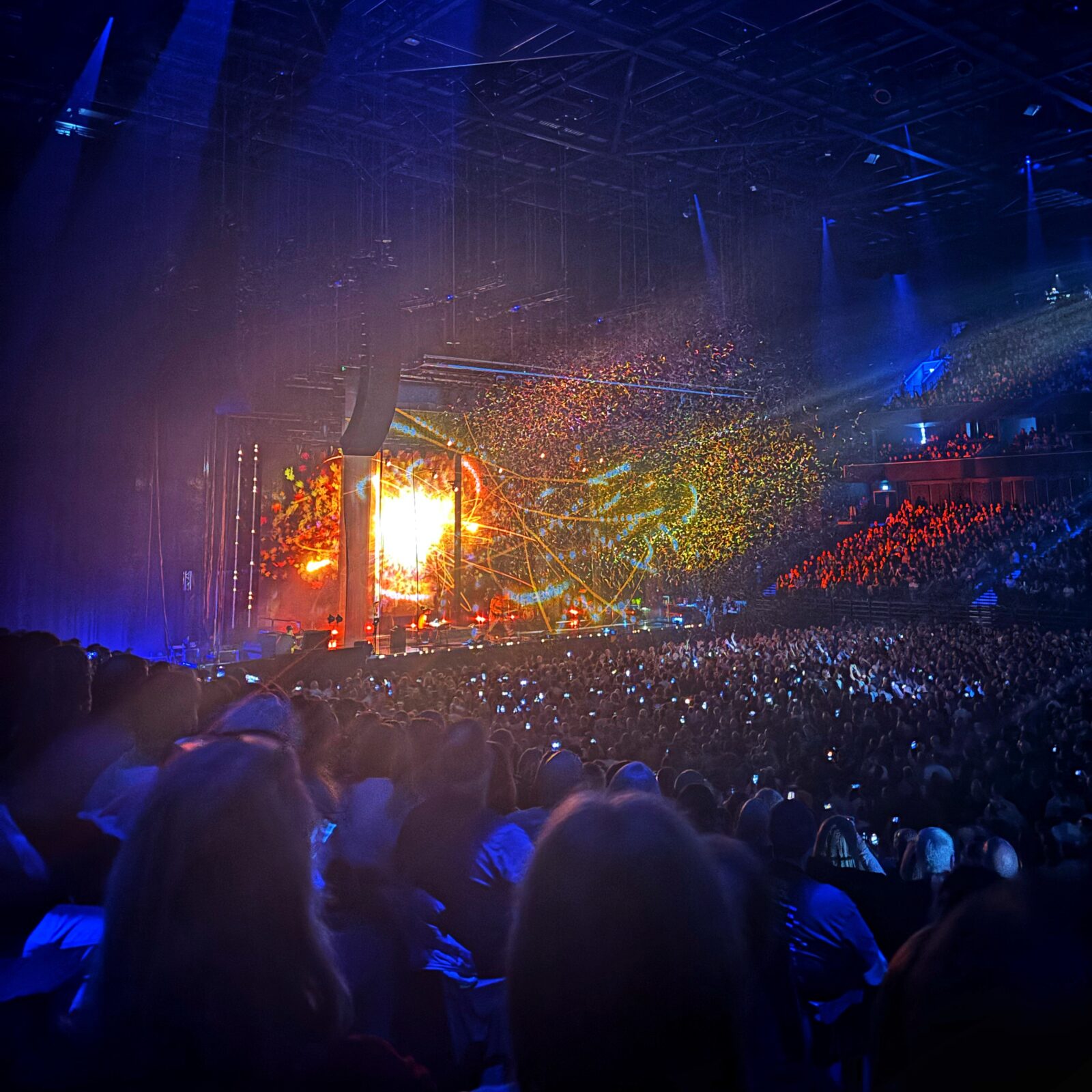
Be it watching a digital tree come to life, shed its leaves and then fall as petal confetti, two sheer semi-opaque paper-thin screens swirl to create the album cover art for their latest album, or kicking the gig off with ‘Take Back The City’ as a multicoloured skyline appeared behind them, it was all pretty incredible.
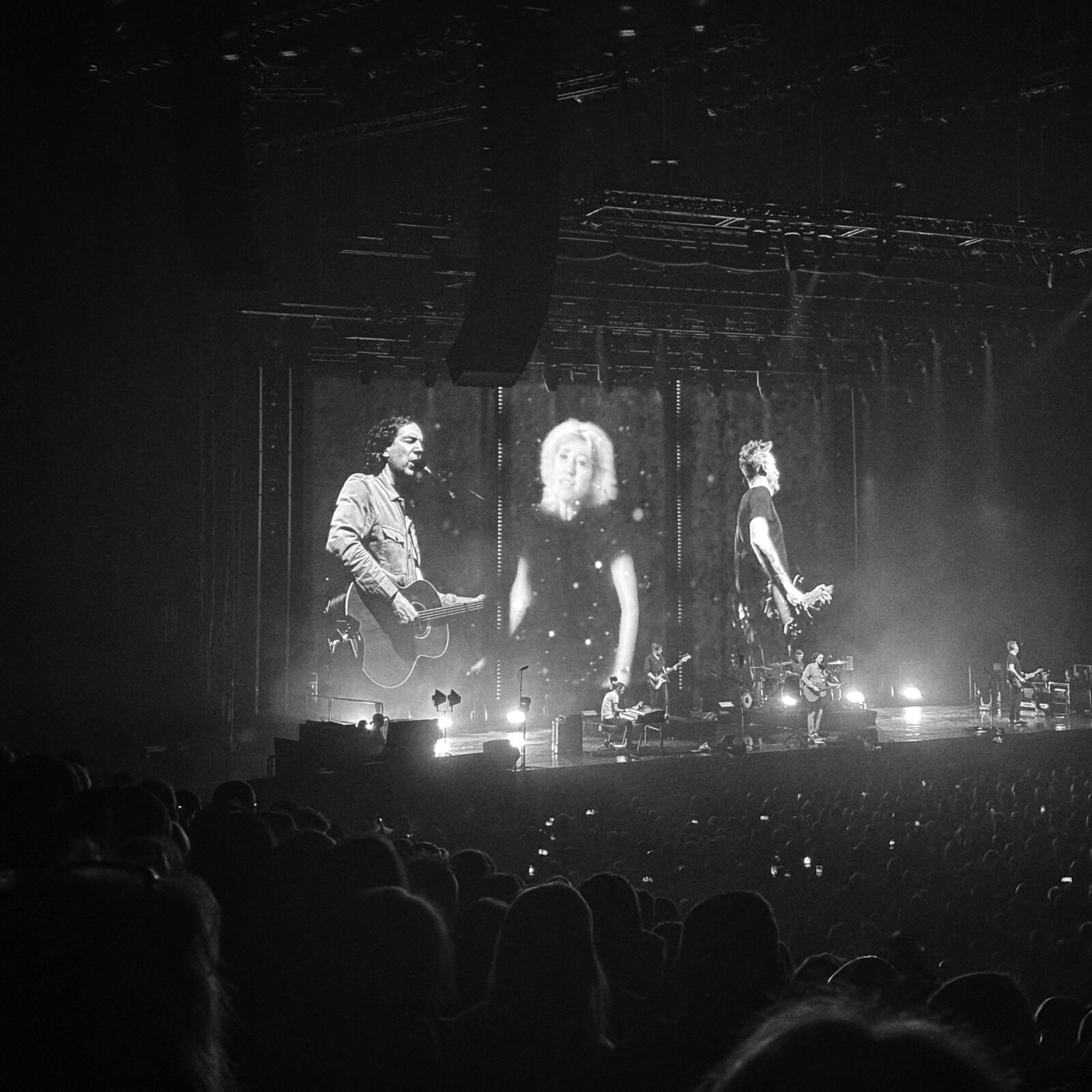
We even got to hear a personal favourite of ours, ‘Set Fire To The Third Bar’, complete with a virtual performance from the voice that truly makes the song: Martha Wainwright.
It was in moments like this when we turned to see a 10-year-old’s face not quite sure of what it was seeing but an open-mouthed expression confirming they were finding it as stunning as we were.
We thoroughly enjoyed going through the back catalogue and working our way right up to plenty of the songs from The Forest Is The Path – which Gary himself firmly believes is their best work yet when we interviewed him – but it was as visually stunning as it was to the gorgeous sonically.
Both proved to be a brilliant way to see the contemporary rock, indie and alternative veterans, but there’s something about giving them a stage as big as this that reminds you of just how much they deserve it.
Up there with one of the prettiest gig snapshots in our memory.Not quite a hologram but very cool nonetheless.The production levels are always top-tier at Co-op Live but the Snow Patrol set was much more impressive than we expected.
Last but not least, thanks to Co-op Live not just for having but for creating a little boy’s memory that he’ll never forget.
Flashbacks: The timelapse of the Trafford Centre construction that’s gone viral
Danny Jones
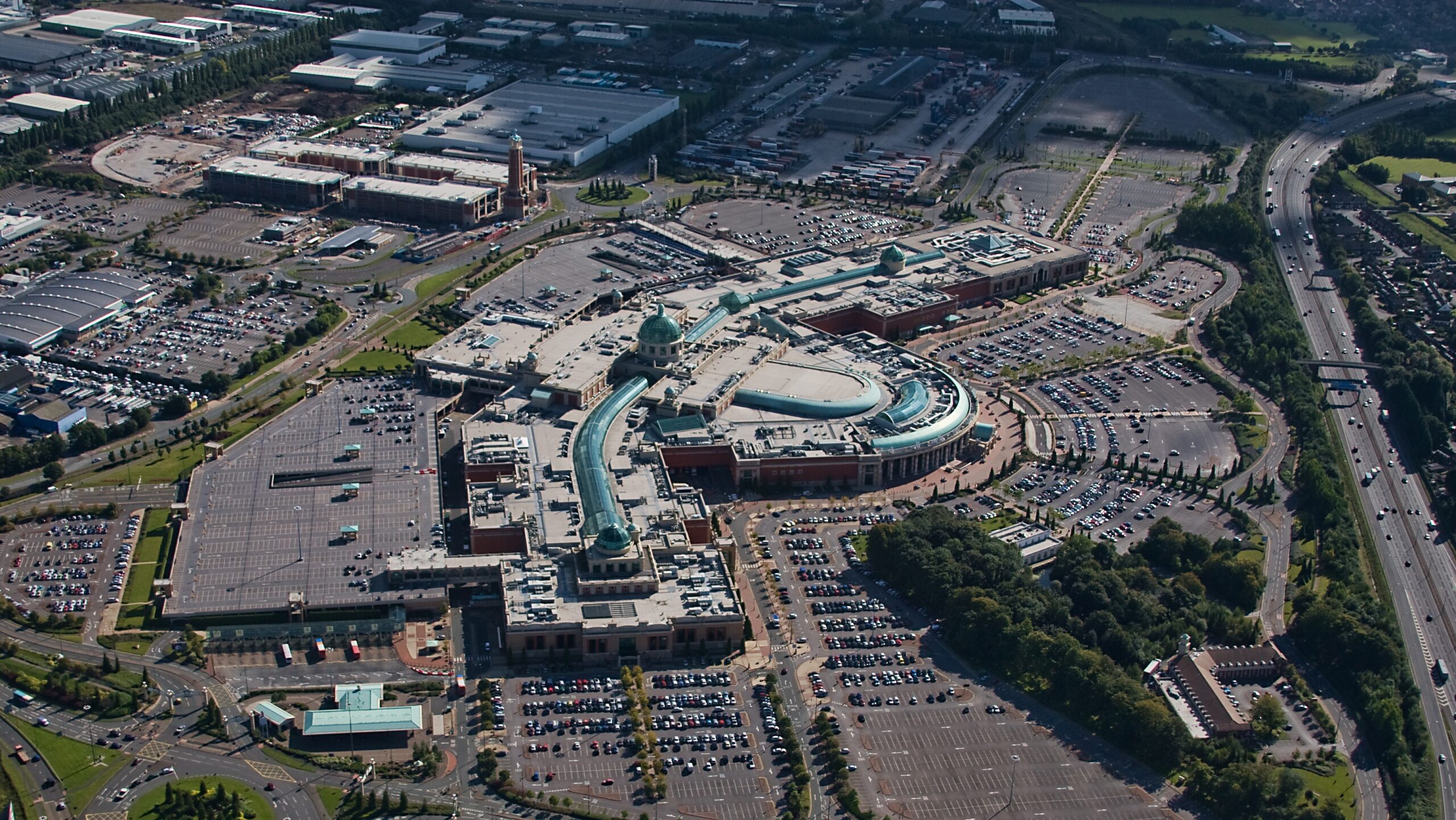
The Trafford Centre might look like some decadent Roman emperor’s palace or as if it was plucked from the heart of Ancient Grecian city, but as anyone old enough to remember it’s opening and/or construction will tell you, it seems strange to think its not even been around for three decades yet.
As Greater Manchester’s and one of the North West’s most famous shopping centres full stop, the iconic attraction first began being built back in 1996, when John Major was Prime Minister, Manchester United were still Premier League champions, Britpop was at its peak and George Michael was number one.
It’s fair to say that a lot has changed since then and although Oasis might be back come 2025, The Trafford Centre and surrounding area are pretty unrecgonisable compared to nearly 30 years ago.
All told, it took approximately 27 months to erect the neo-classical epicentre of all things shopping, leisure, food and fanciness – and here’s what the process looked like:
With the initial 14 million sq ft shopping centre being completed in September 1998 following approximately 810 days of work, The Trafford Centre debuted to the Manc public and beyond.
It took more than 3,000 builders to bring the 60 hectare site to life at the peak of construction and since then the plot has only grown bigger, bolder and more ambitious over time.
Present day, it has everything from cinema screens and a mini Legoland to a Sea Life location, multiple bowling alleys and countless other forms of entertainment beyond just rows of shops and restaurants – hence why it remains busy pretty much year-round.
Back then, British celebrities, popular local names of note, politicians, dignitaries and prominent figures from the retail industry got to visit as part of exclusive preview events in the days before its launch date.
You can see the spectacle and fascination surrounding the official opening event here:
Seems surreal watching this today but the construction of the Trafford Centre was a huge moment not just for 0161 but all of the North.
But of course, the entire complex itself has seen multiple extensions over the years, including massive developments such as Barton Square and The Great Hall.
At the outset, it cost more than £600 million to build The Trafford Centre; the major renovations mentioned above which took place in 2008 cost another £100m and the Trafford Palazzo revamp around a decade later came in at around £75m.
There has and always will be lots of money put behind this intruguing monument to modern consumerism, and big brands will continue to flock to open units within the huge expanse whenever they can: some of the most recent being Archie’s, Flying Tiger, Sephora, Tiffany, Gymshark and more.
We’ll admit the aesthetic still makes us double-take from time to time (though not as much as confused Londoners visiting for the first time), but it’s not like this part of the world hasn’t boasted plenty of other curiosities in the past…

 Emily Sergeant -
3rd September 2021
Emily Sergeant -
3rd September 2021