The government has retracted its decision to U-turn on introducing a new law that bans conversion therapy in the UK.
Former Prime Minister Theresa May had initially promised back in 2018 that the highly controversial practice – which attempts to change an individual’s sexual orientation or gender identity – would be outlawed in the UK, just like is in many other countries across the globe.
“We will ban conversion therapy to prevent these abhorrent practices which can cause mental and physical harm,” vowed May in 2018.
“The ban will eliminate coercive practices which cause mental and physical harm to individuals and we will ensure the action we take to stop this practice is proportionate and effective and does not have unintended consequences.”
“People should be free to be themselves in the UK,” she concluded.
If you’re unfamiliar with what the practice involves, conversion therapy – which is also sometimes called cure therapy or reparative therapy – refers to any form of treatment or psychotherapy, ranging from forms of therapy and prayer, to more extreme acts such as “exorcisms, physical violence and food deprivation”, that aims to change a person’s sexual orientation or suppress a person’s gender identity.
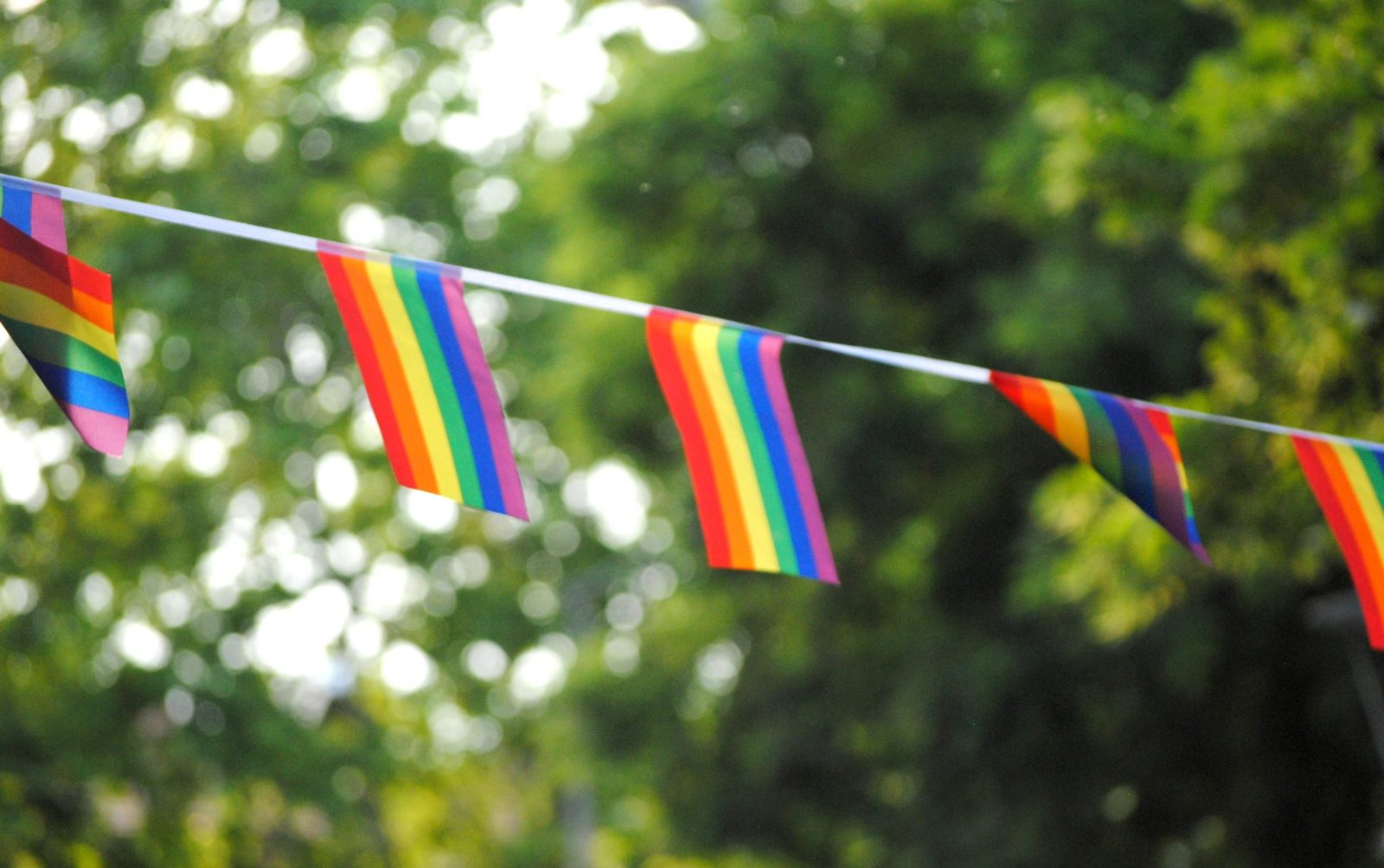
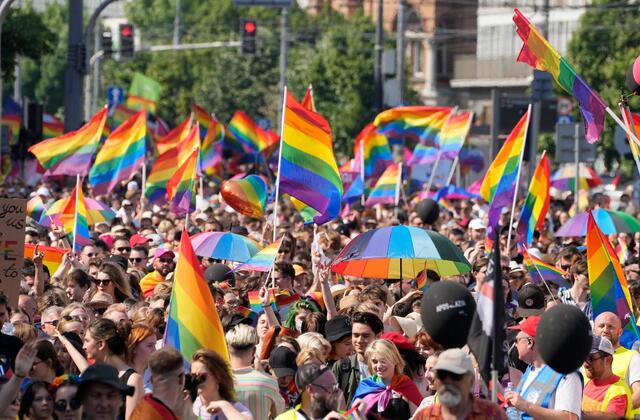
The government has now retracted its decision to U-turn on banning conversion therapy in the UK / Credit: Manchester Pride
It has, understandably, generated significant backlash, with LGBT charity Stonewall saying it is based on an assumption that being lesbian, gay, bi or trans is a mental illness that can be “cured”.
The NHS and other professional bodies have warned that all forms of conversion therapy are “unethical and potentially harmful”.
“While ‘conversion therapy’ does not work, it is still extremely harmful, causing severe psychological damage to victims and survivors of this practice, and reinforcing the myth that there is something inherently wrong with being LGBTQ+ and that we can and should be brought out of existence,” added Dr. Christopher Owen – Inclusivity Development Manager at Manchester Pride.
Current Prime Minister Boris Johnson had previously agreed to continue with May’s promise to bring forward legislation that bans conversion therapy – especially after there was outrage from campaigners, organisations, and celebrities – but early on Thursday evening, reports began emerging and several news outlets were said to have been informed by a government spokesperson that ministers had decided to drop the ban.
They would, instead, “proceed by reviewing how existing law can be deployed more effectively”.
Conversion therapy attempts to change an individual’s sexual orientation or gender identity / Credit: Unsplash
A Downing Street briefing paper entitled “conversion therapy handling plan”, seen by ITV News on Thursday, said: “The PM has agreed we should not move forward with legislation to ban LGBT conversion therapy.”
The briefing warned of a “noisy backlash from LGBT groups and some parliamentarians when we announce we do not intend to proceed” – and the LGBT sector will see it “as a signal the government is uninterested in LGBT issues”.
News of the decision to scrap the ban had been heavily criticised since it broke, with Labour MP Chris Bryant, who is gay, most-notably calling it “a terrible betrayal of a promise and of a whole community”.
“So-called conversion therapists pray on tender hearts and do immeasurable harm,” he added.
Labour’s Anneliese Dodds also tweeted in response to the initial reports that it was an “outrageous decision”, adding that “a government that believes conversion therapy is acceptable in 21st Century Britain is no friend of the LGBT+ community.”
And Liberal Democrat equalities spokesperson, Wera Hobhouse, said it was “giving the green light to a form of torture in the UK”.
However, only about three and a half hours later after announcing its decision to U-turn, a Downing Street spokesman told Sky News, and other news outlets, that the government will in fact ban conversion therapy.
But controversially, it will only ban gay conversion therapy, not trans conversion therapy.
The NHS and other professional bodies have warned that all forms of conversion therapy are “unethical and potentially harmful” / Credit: Unsplash
This has, of course, been met with criticism from some MPs and charities, with Rainbow Project notably saying any ban that didn’t include transgender people was “not a real ban”.
Labour MP Nadia Whittome also tweeted following the retracting of the U-turn that: “Boris Johnson has U-turned again after the strength of feeling and will ban conversion therapy for cisgender lesbian, gay and bisexual people but not trans people.
“It’s still not good enough. LGB comes with the T, and the Tories are not on our side.”
Rochdale has been named Greater Manchester’s ‘Town of Culture’ for 2025
Emily Sergeant
Rochdale has officially been named Greater Manchester’s Town of Culture for 2025.
Taking over the reins from Bolton – which held the title in 2024 – and following in the footsteps of Stockport before that, which held the title in 2023, and even hosted a massive ‘Town of Culture Weekender’ festival with 50+ free events to celebrate and bring its title year to a close, it’s now the turn of the north-eastern Greater Manchester borough of Rochdale.
Rochdale’s year will build on the town’s already-rich cultural history and international reputation as the home of the co-operative movement.
More than 35 arts organisations will be bringing together an ambitious programme of festivals, exhibitions, events, and performances throughout the year.
Unfamiliar with what the ‘Greater Manchester Town of Culture’ title is all about? It’s an accolade that’s handed out every year to different boroughs across the region.
Bury was the inaugural title-holder 2020 and held onto it in 2021 too due to the COVID pandemic, before being followed by Stalybridge in 2022, Stockport in 2023, and of course, Bolton in the year just gone.
The title celebrates Greater Manchester’s culture and heritage.
As well as getting a new title to shout about, it also sees the towns given a grant from the Greater Manchester Combined Authority (GMCA) culture fund to help develop a programme of cultural events and activities throughout the year.
Rochdale has been named Greater Manchester’s ‘Town of Culture’ for 2025 / Credit: The Manc Group | Rochdale Council
In Rochdale’s case, you can expect the ‘very best local talent’, as this year is promising to put ‘people power’ centre stage, with residents helping to plan, develop, and deliver a lineup of creative activities, alongside a number of major events.
This includes the popular free days out for families, an exciting new urban arts festival, two different food and drink festivals, a lantern parade, the Ignite Fire Festival, a Pride parade, and so much more.
You can also expect live music performances, a new people’s gallery, and even some major international collaborations that are yet to be announced.
Rochdale is taking over the reins from Bolton, which held the title in 2024 / Credit: Rochdale Council
“Rochdale is a place with a rich cultural history, so it is great to name it Greater Manchester’s town of culture as it’s town hall and town centre enter a new era,” commented Greater Manchester Mayor Andy Burnham as the borough was crowned this week.
“Rochdale submitted a fantastic bid for this which, was incredibly exciting and ambitious, while being firmly rooted in its local talent and deep history.
“We are definitely going to see the very best of what Rochdale has to offer over the next 12 months and people will come from far and wide to see it.”
Featured Image – Rochdale Council
News
The Lowry Theatre undergoes revamp following Biffa Award grant
Danny Jones
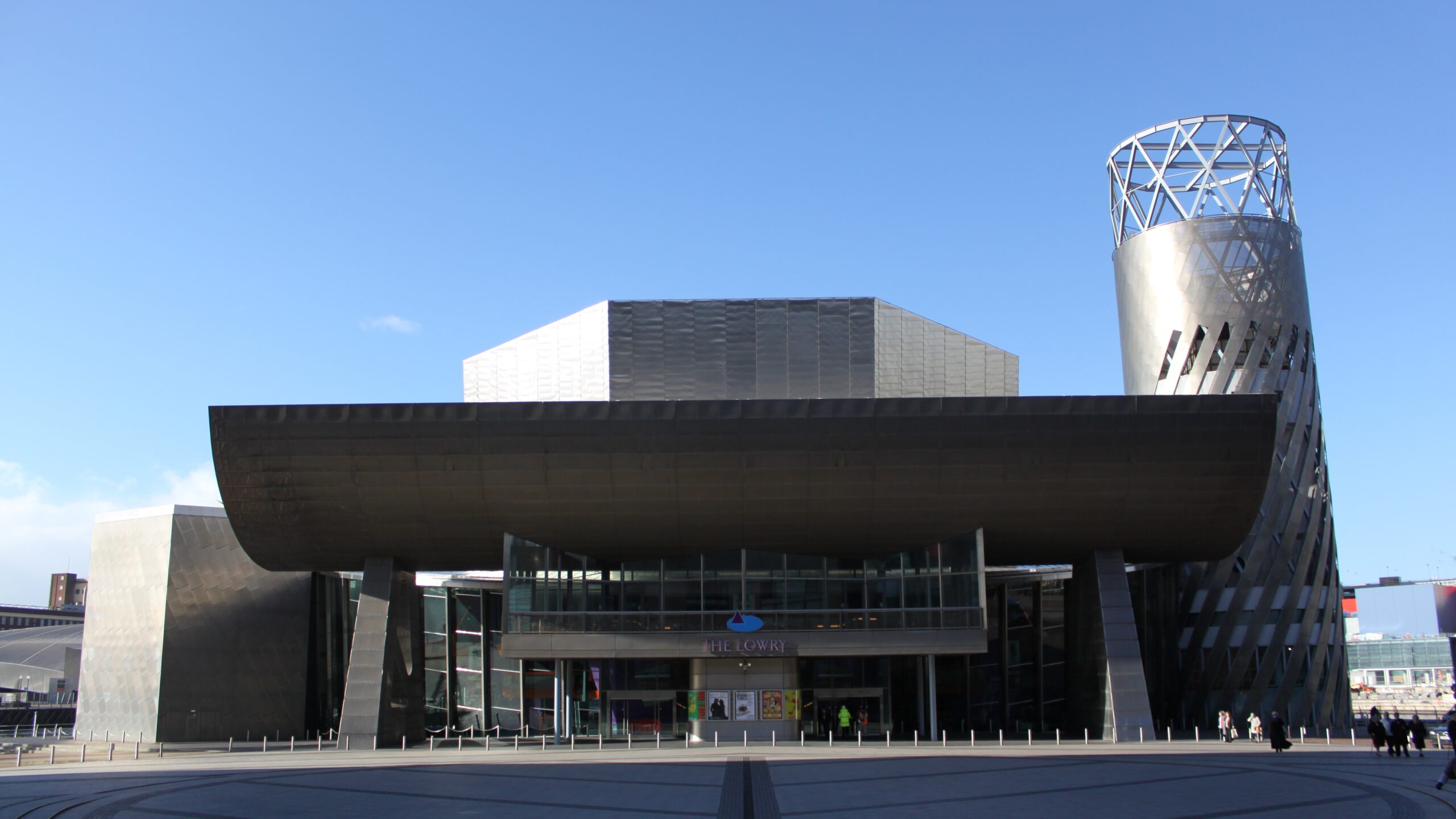
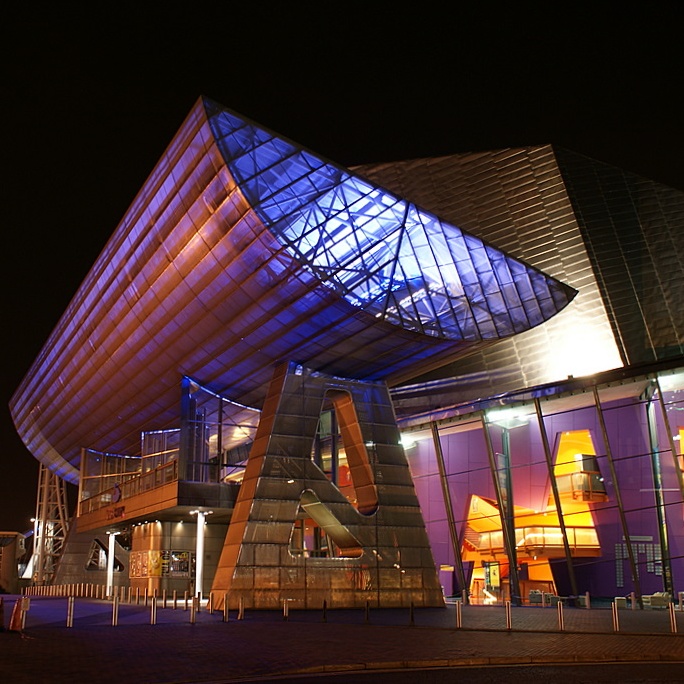
The Lowry in Salford Quays has had a bit of TLC with one of its biggest theatre spaces undergoing a pretty significant refurb this past month.
Following a well-deserved grant distributed via the Biffa Award, a multi-million-pound fund that helps to build communities and transform lives through community and environmental projects across the UK, the legendary local theatre received nearly £75k last year.
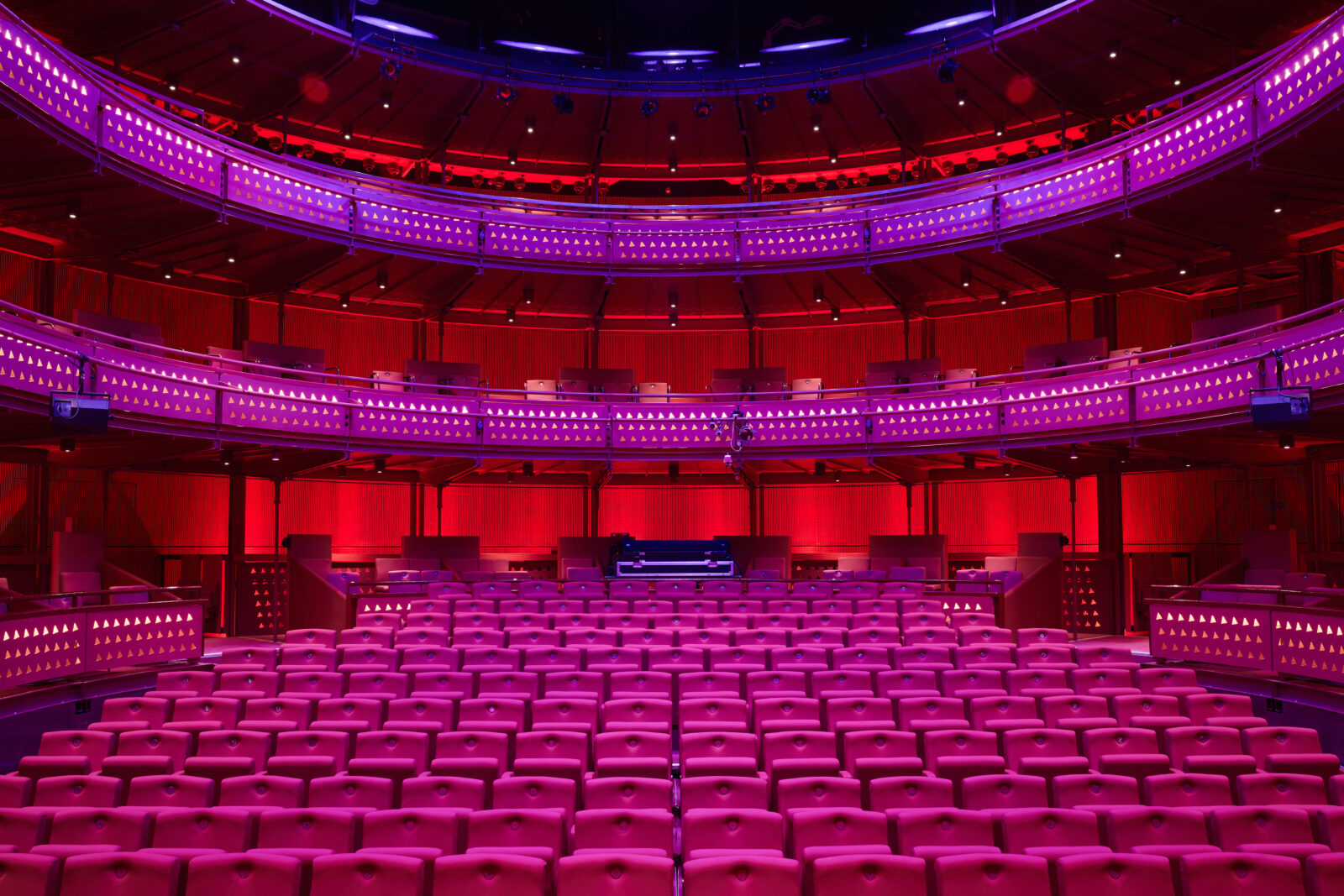
As a result, all 440 seats and various other aspects of The Lowry‘s Quays Theatre have now been renovated and refurbished.
The short story is, she looks more gorgeous than ever – see for yourself:
Being initially handed over in March 2024, The Lowry was awarded a total of £74,816 to reupholster seating in the venue’s Quays Theatre with new padding and fabric.
After almost 25 years of constant use as one of the most popular theatres in the North, the seats in the Quays Theatre were much in need of a refurb, and with work completed in December, Lowry visitors can now enjoy watching the venue’s wide range of theatre, dance, comedy and drama in comfort.
The work was actually carried out between July and December, with seats being carefully removed in batches and reupholstered off-site.
This was made possible due to the Biffa Award’s most recent ‘Cultural Facilities’ theme, which aims to improve recreation, interest and education, drawing funds from the UK government’s wider Landfill Communities Fund.
The old fabric and padding were disposed of sustainably, with lots of it being repurposed where possible to minimise waste and all the new materials used meet current guidance for safety and quality.
The Lowry’s Deputy Chief Executive and Director of Development, Gwen Oakden, said of the long overdue update:“It is so important that our audiences are able to enjoy our world-class performing arts programme in a comfortable and welcoming space.
“For many visitors to the Quays Theatre, this is their first experience of live performance – often to see a family show or as part of a school trip. We really want it to be the best experience possible, and for them to begin a lifelong relationship with Lowry.
“As a registered charity, without the generous support of this Biffa Award, for which we’re hugely grateful, we couldn’t have carried out this important work for our audiences.
As we head into our 25th Anniversary year, we are delighted to be able to welcome audiences and visitors can enjoy the beautiful and revived Quays Theatre.”
As for the Biffa side of things, Grants Manager Rachel Maidment added: “We are delighted to have supported The Lowry in refurbishing the Quays Theatre seating, ensuring audiences can continue to enjoy performances in comfort.
“Through Biffa’s Cultural Facilities theme, we fund projects that provide engaging and inspiring spaces for communities. The Lowry is a key cultural venue, and we’re proud that our funding, made possible through the government Fund, has helped enhance the experience for visitors for years to come.”
Like most Mancs, we love The Lowry, so here’s to hosting countless more theatregoers in the most comfortable seats possible for generations to come.
We’ve been to some brilliant performances around here of late.

 Emily Sergeant -
1st April 2022
Emily Sergeant -
1st April 2022