From today, some restaurants, cafes and takeaways across the UK are legally required to add calorie counts next to dishes on their menus as new legislation on calorie labelling comes into force.
Designed as part of a move to stem a rise in obesity, the government’s decision to impose calorie counting on menus has been criticised by a number of restauranteurs, chefs and food critics as the new labelling legislation comes into force for those with over 250 employees today.
The move has also lead to criticism from Greater Manchester MasterChef winner Simon Wood.
Speaking on BBC Breakfast this morning, the Oldham-based chef said that although the rules currently don’t apply to his business he wouldn’t consider following suit unless his hand was forced.
“Until I”m forced to do it I wouldn’t do it and even then I think it’s a really difficult thing to do with seasonality and menu changes and cooking with what’s available.
“I don’t think calories are overly relevant in certain situations. if you exercise regularly you take more calories, which means your daily intake changes […] that’s very different for everyone,” he explained.
“I wouldn’t change what I’m doing. We’re a destination restaurant. You’re there to have a good time […] it is one of those occasions where you probably will have more calories, but it’s about balance and moderation and that’s the key thing here. Moderation is really important.”
Image: The Manc Eats
Currently, the requirements only apply to larger restaurant, takeaway and cafe businesses, defined as those with more than 250 employees.
However, if a menu changes after 30 days then businesses do not have to redesign and print it.
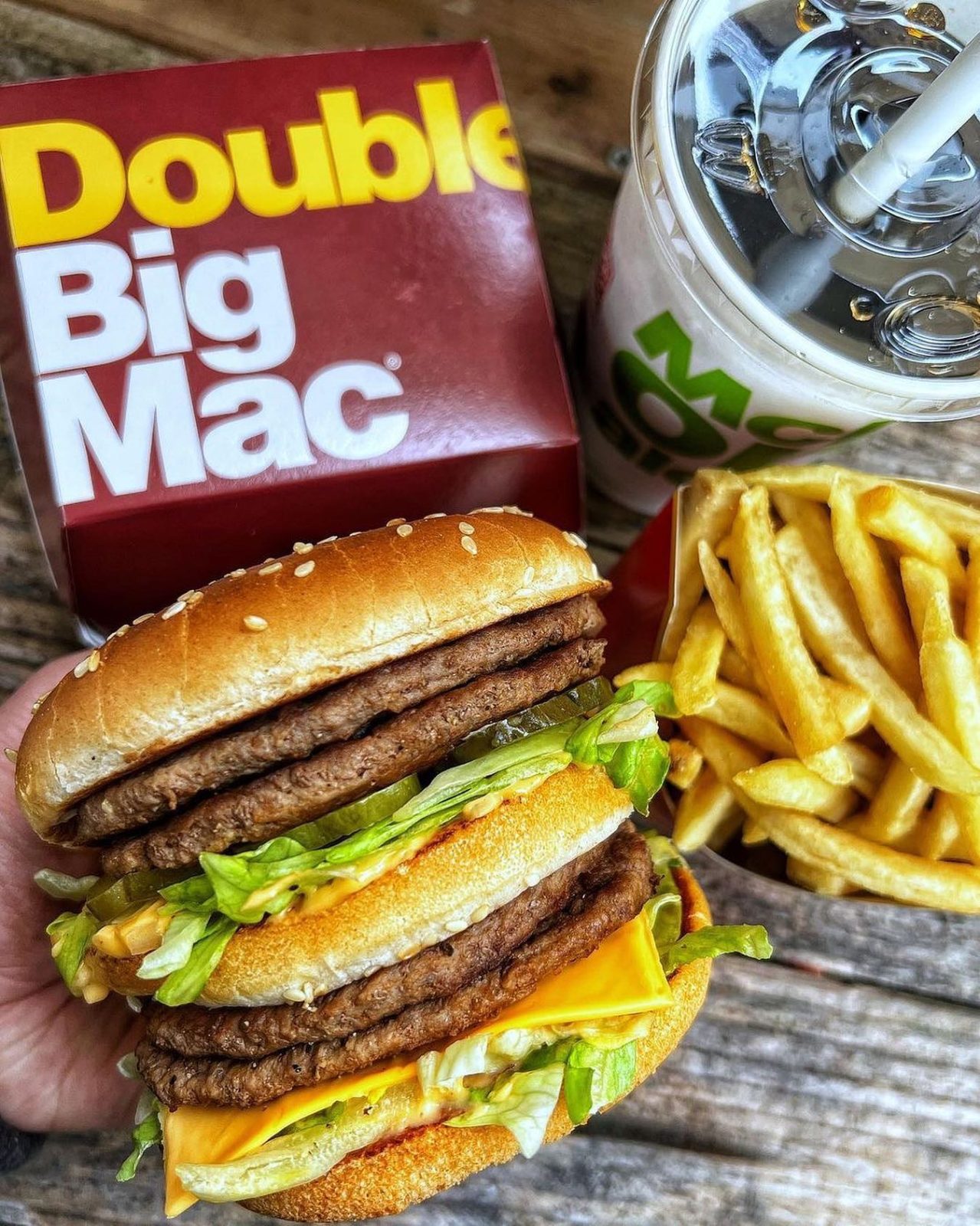
Some large eateries, such as Wetherspoons, The Real Greek and McDonald’s, have included calorie information on their menus for some time but now, as of today, labelling will be mandatory for large chains.
The news has caused concern amongst campaigners for those with eating disorders, as well as more broadly amongst those in the hospitality and nutrition industries – many of whom argue that putting a number on a menu is simply not as effective as proper education about what you are putting into your body.
Speaking in favour of food education and nutrition education, Wood added that “‘wonderful, healthy ingredients are far more pertinent things to be looking at” before taking aim at food delivery apps.
“I think that apps you can order fast food delivery on are a real issue. You can do that at 12 years old if you’ve got a smartphone. That’s the kind of thing we should be looking at stopping, in my opinion.”
Speaking more practically, he also pointed to the ongoing supply chain issues in hospitality and laid out how commonplace issues like this will have a knock-on effect on how reliable these numbers are too.
“Sometimes given the current situation with hospitality and the supply chain things aren’t there, you have to adapt your menu on the fly, what are you going to do? Rewrite it every day?
“What if things don’t turn up? What if you’re making a sauce and you need four bottles of wine but you’ve only got two? What if someone adds too much salt, sodium, things like that that aren’t considered in calories, I think there’s a bigger approach to what people should be looking at than just a number.”
Wood is not the only person to raise concerns about the move, with his comments around education being echoed by The Telegraph restaurant critic William Sitwell.
Sitwell, admittedly, went further, proclaiming on Radio 4’s Today Programme this morning: “We’re facing calorie police marching into restaurants demanding to see these menus.”
“It’s a terrible idea, […] it demonises calories, we need calories to live, it doesn’t tell us any other information, you know, fibre, what we need to know is where food comes from, we need the government to focus on education.”
“Imagine these poor businesses today, recovering from the pandemic, having to go through this administrative nightmare of sending every single dish on their menu off to be tested. it destroys creativity, ok there are exemptions for specials but, you know, think of a young chef trying to think of some leftover ideas and suddenly they’ve got to get it tested.”
Kate Nicholls, CEO of the trade body UK Hospitality, also criticised the move – saying that the new rules came at the “worst possible time for thousands of businesses struggling to survive”.
“We’ve long called for a delay to the implementation of calorie labelling, and we’d like to see a grace period post-April to allow businesses breathing space in which to implement the new rules without the risk of unnecessary enforcement action from day one,” she said.
“It’s completely unfair to expect businesses devastated by Covid to all of a sudden introduce complicated and costly new labelling when they’ve much more pressing matters to attend to – recouping their losses of the past 24-months for a start.”
The Department of Health and Social Care has said that obesity is one of the biggest health issues being faced in the UK today, and claims that food labelling plays an important role in helping people to make healthier choices.
A spokesperson added people were ‘used to seeing nutritional information on products sold in supermarkets’ and that the governments’ policy has been informed by extensive research conducted with mental health charities and expres, reports the BBC.
Feature image – Simon Wood
News
Rochdale has been named Greater Manchester’s ‘Town of Culture’ for 2025
Emily Sergeant
Rochdale has officially been named Greater Manchester’s Town of Culture for 2025.
Taking over the reins from Bolton – which held the title in 2024 – and following in the footsteps of Stockport before that, which held the title in 2023, and even hosted a massive ‘Town of Culture Weekender’ festival with 50+ free events to celebrate and bring its title year to a close, it’s now the turn of the north-eastern Greater Manchester borough of Rochdale.
Rochdale’s year will build on the town’s already-rich cultural history and international reputation as the home of the co-operative movement.
More than 35 arts organisations will be bringing together an ambitious programme of festivals, exhibitions, events, and performances throughout the year.
Unfamiliar with what the ‘Greater Manchester Town of Culture’ title is all about? It’s an accolade that’s handed out every year to different boroughs across the region.
Bury was the inaugural title-holder 2020 and held onto it in 2021 too due to the COVID pandemic, before being followed by Stalybridge in 2022, Stockport in 2023, and of course, Bolton in the year just gone.
The title celebrates Greater Manchester’s culture and heritage.
As well as getting a new title to shout about, it also sees the towns given a grant from the Greater Manchester Combined Authority (GMCA) culture fund to help develop a programme of cultural events and activities throughout the year.
Rochdale has been named Greater Manchester’s ‘Town of Culture’ for 2025 / Credit: The Manc Group | Rochdale Council
In Rochdale’s case, you can expect the ‘very best local talent’, as this year is promising to put ‘people power’ centre stage, with residents helping to plan, develop, and deliver a lineup of creative activities, alongside a number of major events.
This includes the popular free days out for families, an exciting new urban arts festival, two different food and drink festivals, a lantern parade, the Ignite Fire Festival, a Pride parade, and so much more.
You can also expect live music performances, a new people’s gallery, and even some major international collaborations that are yet to be announced.
Rochdale is taking over the reins from Bolton, which held the title in 2024 / Credit: Rochdale Council
“Rochdale is a place with a rich cultural history, so it is great to name it Greater Manchester’s town of culture as it’s town hall and town centre enter a new era,” commented Greater Manchester Mayor Andy Burnham as the borough was crowned this week.
“Rochdale submitted a fantastic bid for this which, was incredibly exciting and ambitious, while being firmly rooted in its local talent and deep history.
“We are definitely going to see the very best of what Rochdale has to offer over the next 12 months and people will come from far and wide to see it.”
Featured Image – Rochdale Council
News
The Lowry Theatre undergoes revamp following Biffa Award grant
Danny Jones
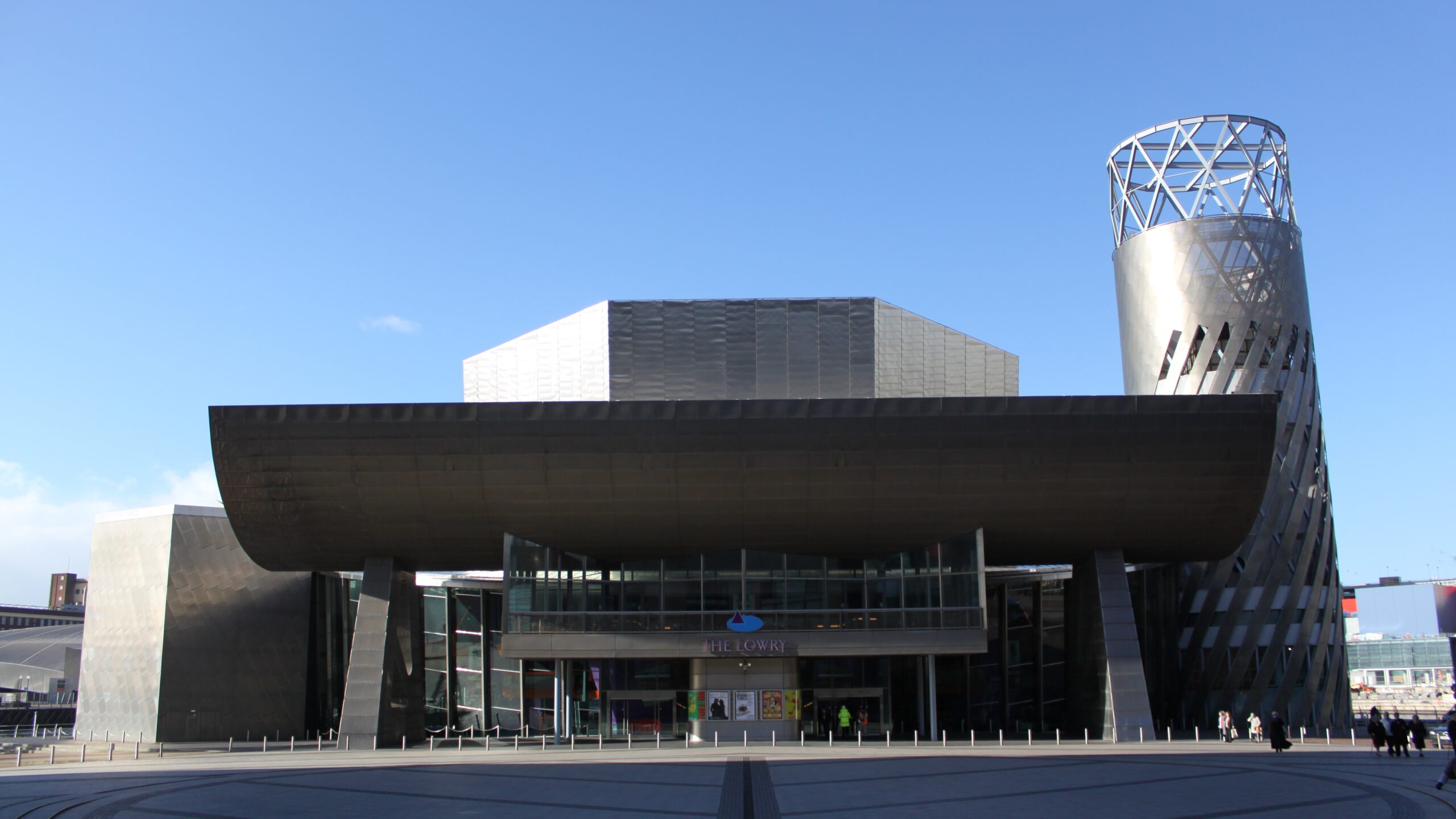
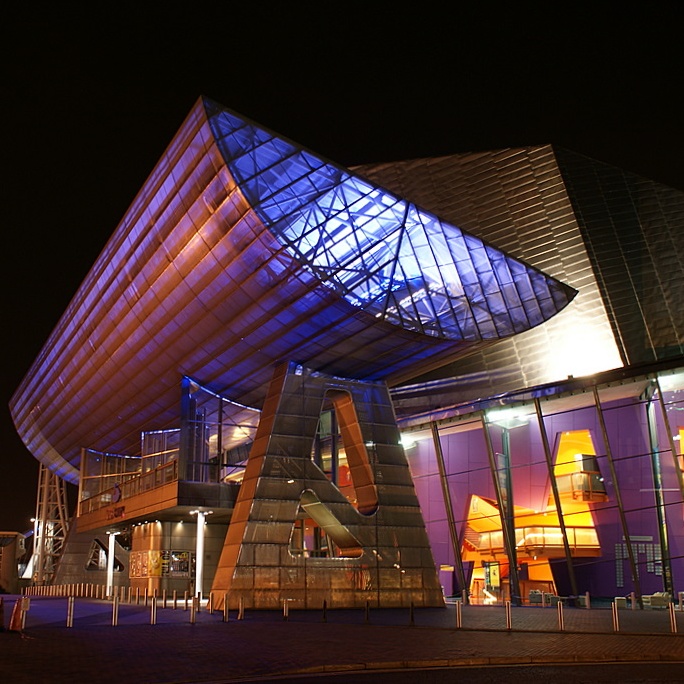
The Lowry in Salford Quays has had a bit of TLC with one of its biggest theatre spaces undergoing a pretty significant refurb this past month.
Following a well-deserved grant distributed via the Biffa Award, a multi-million-pound fund that helps to build communities and transform lives through community and environmental projects across the UK, the legendary local theatre received nearly £75k last year.
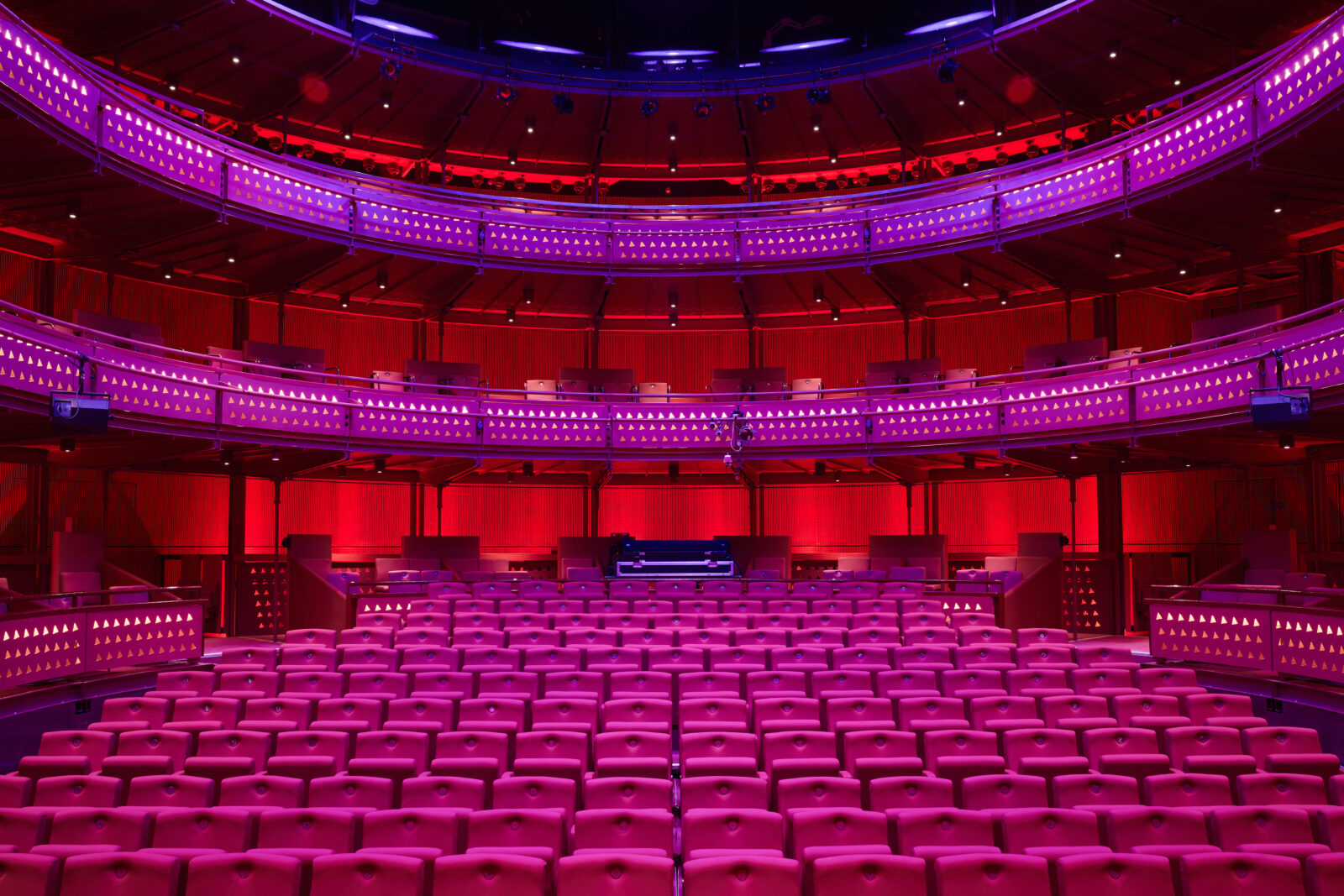
As a result, all 440 seats and various other aspects of The Lowry‘s Quays Theatre have now been renovated and refurbished.
The short story is, she looks more gorgeous than ever – see for yourself:
Being initially handed over in March 2024, The Lowry was awarded a total of £74,816 to reupholster seating in the venue’s Quays Theatre with new padding and fabric.
After almost 25 years of constant use as one of the most popular theatres in the North, the seats in the Quays Theatre were much in need of a refurb, and with work completed in December, Lowry visitors can now enjoy watching the venue’s wide range of theatre, dance, comedy and drama in comfort.
The work was actually carried out between July and December, with seats being carefully removed in batches and reupholstered off-site.
This was made possible due to the Biffa Award’s most recent ‘Cultural Facilities’ theme, which aims to improve recreation, interest and education, drawing funds from the UK government’s wider Landfill Communities Fund.
The old fabric and padding were disposed of sustainably, with lots of it being repurposed where possible to minimise waste and all the new materials used meet current guidance for safety and quality.
The Lowry’s Deputy Chief Executive and Director of Development, Gwen Oakden, said of the long overdue update:“It is so important that our audiences are able to enjoy our world-class performing arts programme in a comfortable and welcoming space.
“For many visitors to the Quays Theatre, this is their first experience of live performance – often to see a family show or as part of a school trip. We really want it to be the best experience possible, and for them to begin a lifelong relationship with Lowry.
“As a registered charity, without the generous support of this Biffa Award, for which we’re hugely grateful, we couldn’t have carried out this important work for our audiences.
As we head into our 25th Anniversary year, we are delighted to be able to welcome audiences and visitors can enjoy the beautiful and revived Quays Theatre.”
As for the Biffa side of things, Grants Manager Rachel Maidment added: “We are delighted to have supported The Lowry in refurbishing the Quays Theatre seating, ensuring audiences can continue to enjoy performances in comfort.
“Through Biffa’s Cultural Facilities theme, we fund projects that provide engaging and inspiring spaces for communities. The Lowry is a key cultural venue, and we’re proud that our funding, made possible through the government Fund, has helped enhance the experience for visitors for years to come.”
Like most Mancs, we love The Lowry, so here’s to hosting countless more theatregoers in the most comfortable seats possible for generations to come.
We’ve been to some brilliant performances around here of late.

 Georgina Pellant -
6th April 2022
Georgina Pellant -
6th April 2022