Today is the first day to which the new three tier restrictions system comes into effect, but change could be on the horizon once again for Greater Manchester.
Prime Minister Boris Johnson unveiled the government’s newest tiered strategy – which is aimed at curbing the spread of coronavirus (COVID-19) – in a direct address to MPs in the House of Commons on Monday afternoon, and then again in a subsequent press conference televised to the nation later that evening.
It was during this announcement that the region of Greater Manchester, along with other widespread areas of the North West including parts of Lancashire and Cheshire, was placed into Tier 2.
Under Tier 2 restrictions – which is also known as the ‘high’ alert level pertaining to the number of cases in the region – residents living in Greater Manchester must adhere to the rules of Tier 1 (‘Rule of Six’, 10pm curfew and necessary social distancing), and should also consider the following guidance:
People must not meet with anybody outside their household or support bubble in any indoor setting, whether at home or in a public place.
People can meet in groups of up to six outside – including private gardens.
People should aim to reduce the number of journeys they make where possible and avoid peak times and public transport.
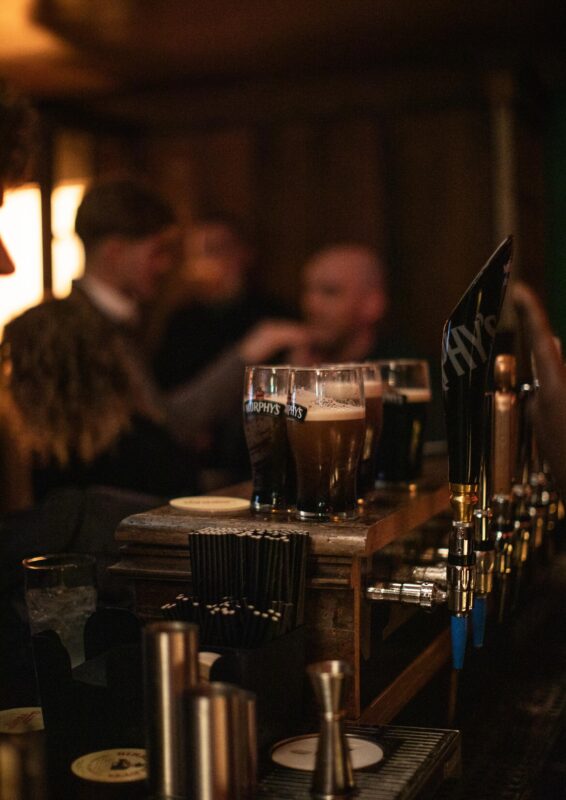
Unlike those areas placed under Tier 3 restrictions, businesses, pubs, bars, restaurants and cafes are permitted to remain open.
The categorisation of Greater Manchester into Tier 2 followed consultation with the Mayor of Greater Manchester Andy Burnham, who said that officials in the area were “glad that government has listened” to their standpoint, and also comes after Sacha Lord – Night Time Economy Adviser for Greater Manchester – announced that he would be taking legal action against the government to contest any new measures that prevent hospitality from trading.
It’s believed that these aforementioned conversations did significantly contribute to Greater Manchester avoiding the harshest tier of restrictions at the time.
During this meeting, the prospect of whether Greater Manchester and Lancashire need to be reclassified into Tier 3 measures is to be discussed, and this potential reclassification would thus place large parts of the North West into the ‘very high’ alert level.
It would mean that Greater Manchester could join the Liverpool City Region – which is at present the only area in England to be under Tier 3 – with the government stating that the situation is being kept under constant review, including a four-week “sunset clause”.
Areas under Tier 3 restrictions must:
Close pubs and bars – although restaurants may remain open.
Ban wedding receptions.
Avoid mixing with anybody outside a household or support bubble in any indoor or outdoor setting.
Avoid travelling outside the area except for work, education and youth services.
Overnight stays in this area are also banned, and residents of Tier 3 locations should also avoid staying overnight in other parts of the UK.
According to the government, “consultation with local authorities will determine additional measures”, which means local leaders will need to decide if further restrictions will be necessary, in the event that “baseline” measures prove ineffective, which is a prospect that Chief Medical Officer Chris Whitty did indicate during Monday evening’s press conference.
This meeting is due to take place today, but it does leave one question – what is a ‘gold command meeting’?
Mark Waugh
A ‘gold command meeting’ forms part of what is known as the ‘gold-silver-bronze command structure/hierarchy’ in the UK, which is used by the emergency services and the government, and was designed for responding to sudden major incidents and for organising planned operations, it has also been used for planned operations.
A ‘gold command meeting’ is defined as a meeting where a ‘gold commander’ is in “overall control of their organisation’s resources at the incident”.
This person will not be on site, but at a distant control room – gold command – where he or she will formulate the strategy for dealing with the incident, and if the gold commanders for various organisations at an incident are not co-located, they will be in constant touch with each other by videoconference or telephone.
The Civil Contingencies Act 2004 requires police to host and chair the multi-agency gold command, and this responsibility will usually fall to the local chief constable, or their nominated deputy.
It has not yet been confirmed as to when the meeting will actually take place today, nor who will be present to discuss matters, and when it is that we are likely to hear of any updates and outcomes from it, but due to the fast-paced nature of these matters unfolding, it is likely to be soon.
More information will be provided in due course.
___
For the latest information, guidance and support during the coronavirus (COVID-19) pandemic in the UK, please do refer to official sources at gov.uk/coronavirus.
#HandsFaceSpace
News
Rochdale has been named Greater Manchester’s ‘Town of Culture’ for 2025
Emily Sergeant
Rochdale has officially been named Greater Manchester’s Town of Culture for 2025.
Taking over the reins from Bolton – which held the title in 2024 – and following in the footsteps of Stockport before that, which held the title in 2023, and even hosted a massive ‘Town of Culture Weekender’ festival with 50+ free events to celebrate and bring its title year to a close, it’s now the turn of the north-eastern Greater Manchester borough of Rochdale.
Rochdale’s year will build on the town’s already-rich cultural history and international reputation as the home of the co-operative movement.
More than 35 arts organisations will be bringing together an ambitious programme of festivals, exhibitions, events, and performances throughout the year.
Unfamiliar with what the ‘Greater Manchester Town of Culture’ title is all about? It’s an accolade that’s handed out every year to different boroughs across the region.
Bury was the inaugural title-holder 2020 and held onto it in 2021 too due to the COVID pandemic, before being followed by Stalybridge in 2022, Stockport in 2023, and of course, Bolton in the year just gone.
The title celebrates Greater Manchester’s culture and heritage.
As well as getting a new title to shout about, it also sees the towns given a grant from the Greater Manchester Combined Authority (GMCA) culture fund to help develop a programme of cultural events and activities throughout the year.
Rochdale has been named Greater Manchester’s ‘Town of Culture’ for 2025 / Credit: The Manc Group | Rochdale Council
In Rochdale’s case, you can expect the ‘very best local talent’, as this year is promising to put ‘people power’ centre stage, with residents helping to plan, develop, and deliver a lineup of creative activities, alongside a number of major events.
This includes the popular free days out for families, an exciting new urban arts festival, two different food and drink festivals, a lantern parade, the Ignite Fire Festival, a Pride parade, and so much more.
You can also expect live music performances, a new people’s gallery, and even some major international collaborations that are yet to be announced.
Rochdale is taking over the reins from Bolton, which held the title in 2024 / Credit: Rochdale Council
“Rochdale is a place with a rich cultural history, so it is great to name it Greater Manchester’s town of culture as it’s town hall and town centre enter a new era,” commented Greater Manchester Mayor Andy Burnham as the borough was crowned this week.
“Rochdale submitted a fantastic bid for this which, was incredibly exciting and ambitious, while being firmly rooted in its local talent and deep history.
“We are definitely going to see the very best of what Rochdale has to offer over the next 12 months and people will come from far and wide to see it.”
Featured Image – Rochdale Council
News
The Lowry Theatre undergoes revamp following Biffa Award grant
Danny Jones
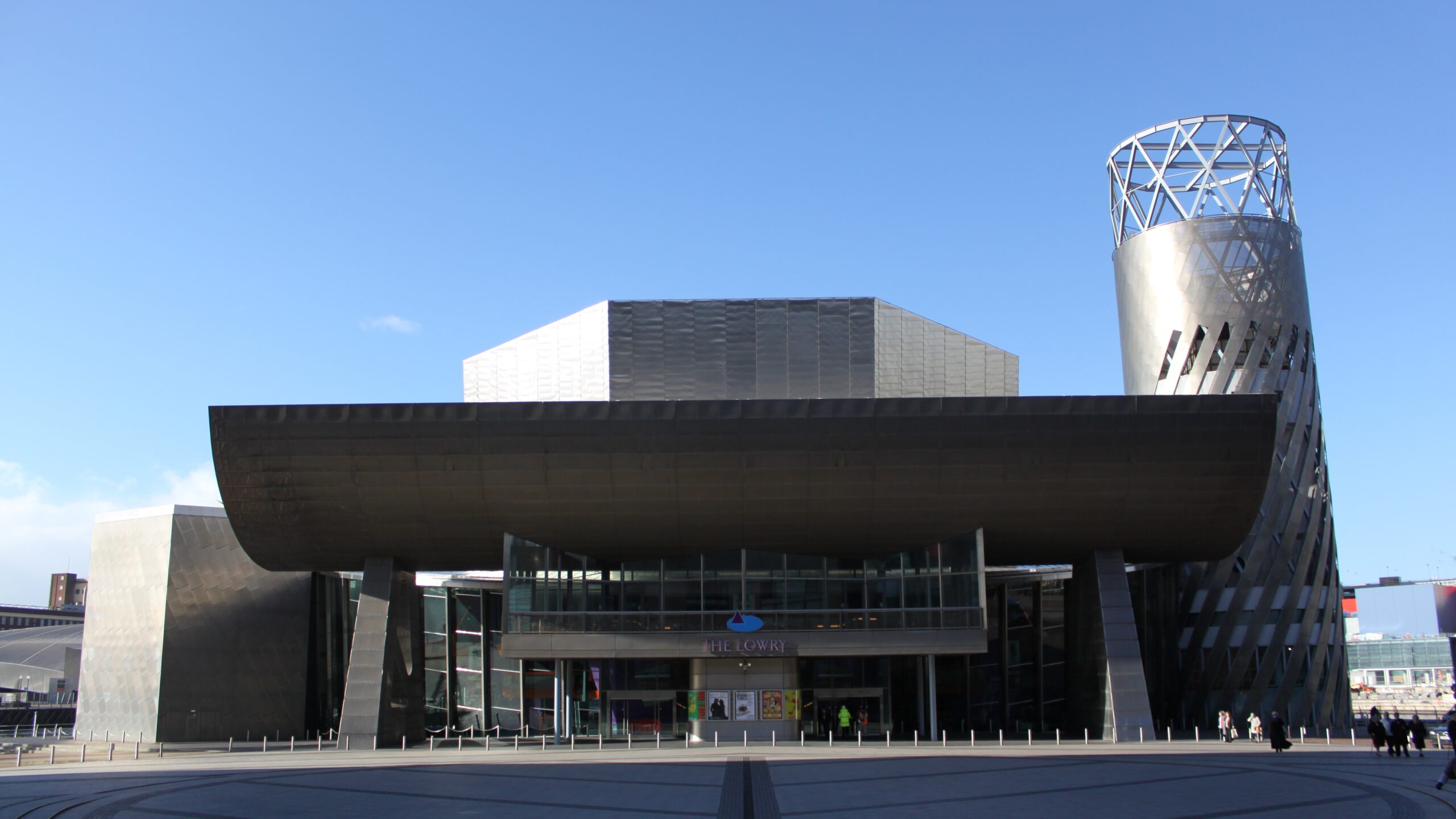
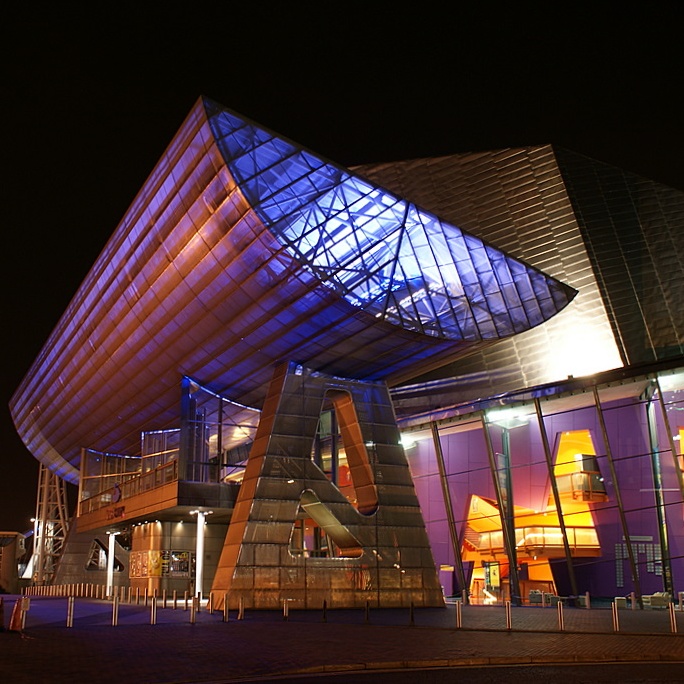
The Lowry in Salford Quays has had a bit of TLC with one of its biggest theatre spaces undergoing a pretty significant refurb this past month.
Following a well-deserved grant distributed via the Biffa Award, a multi-million-pound fund that helps to build communities and transform lives through community and environmental projects across the UK, the legendary local theatre received nearly £75k last year.
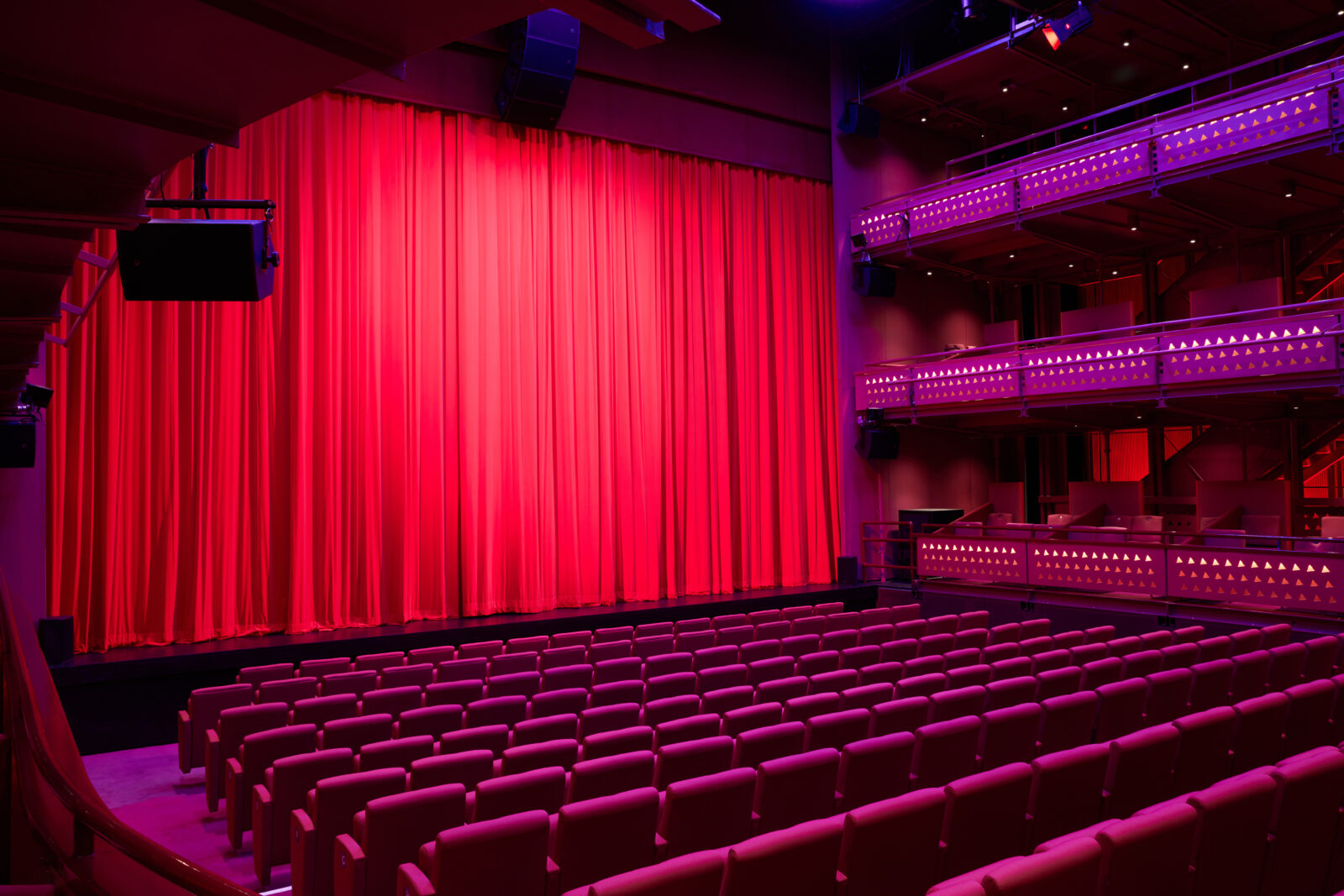
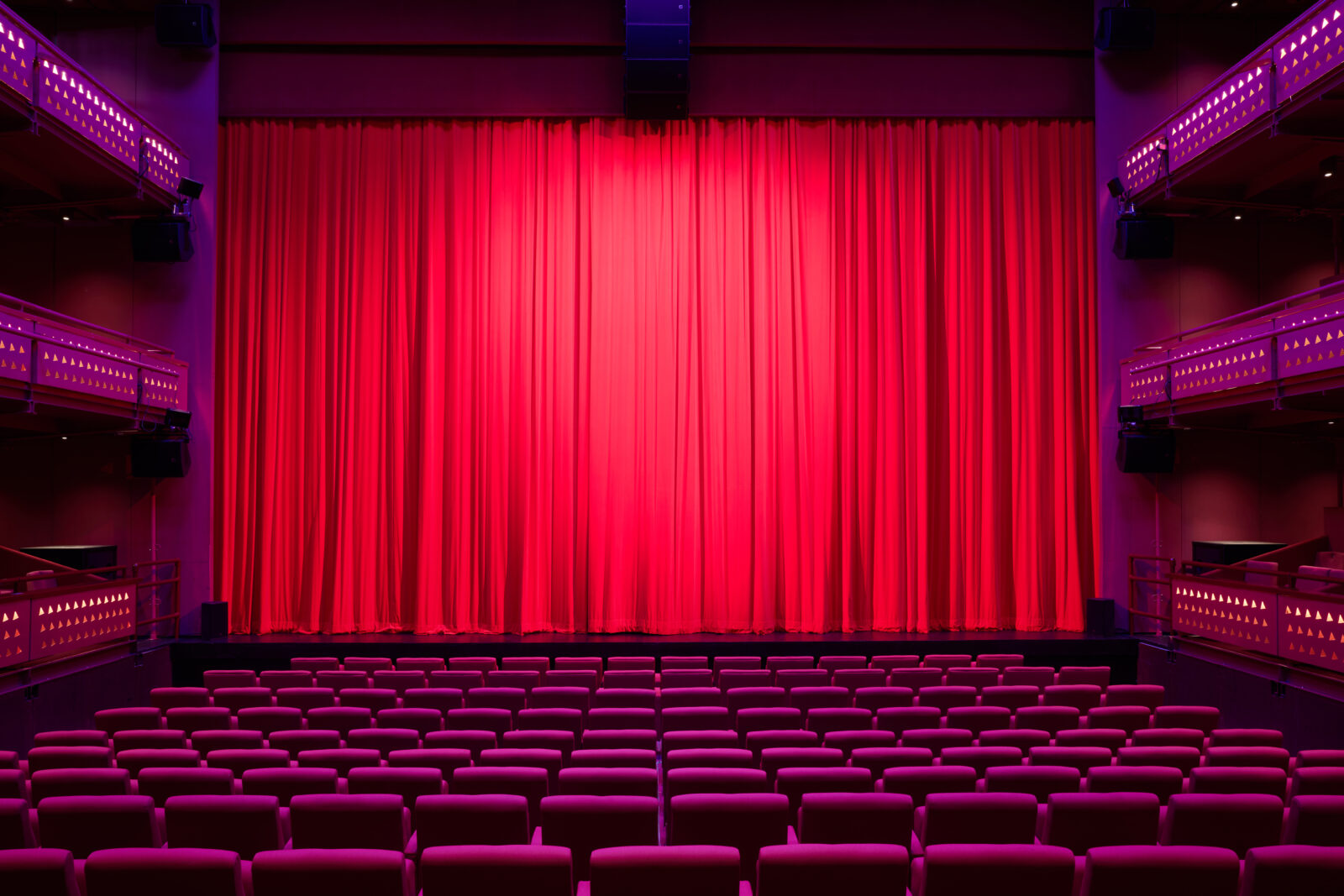
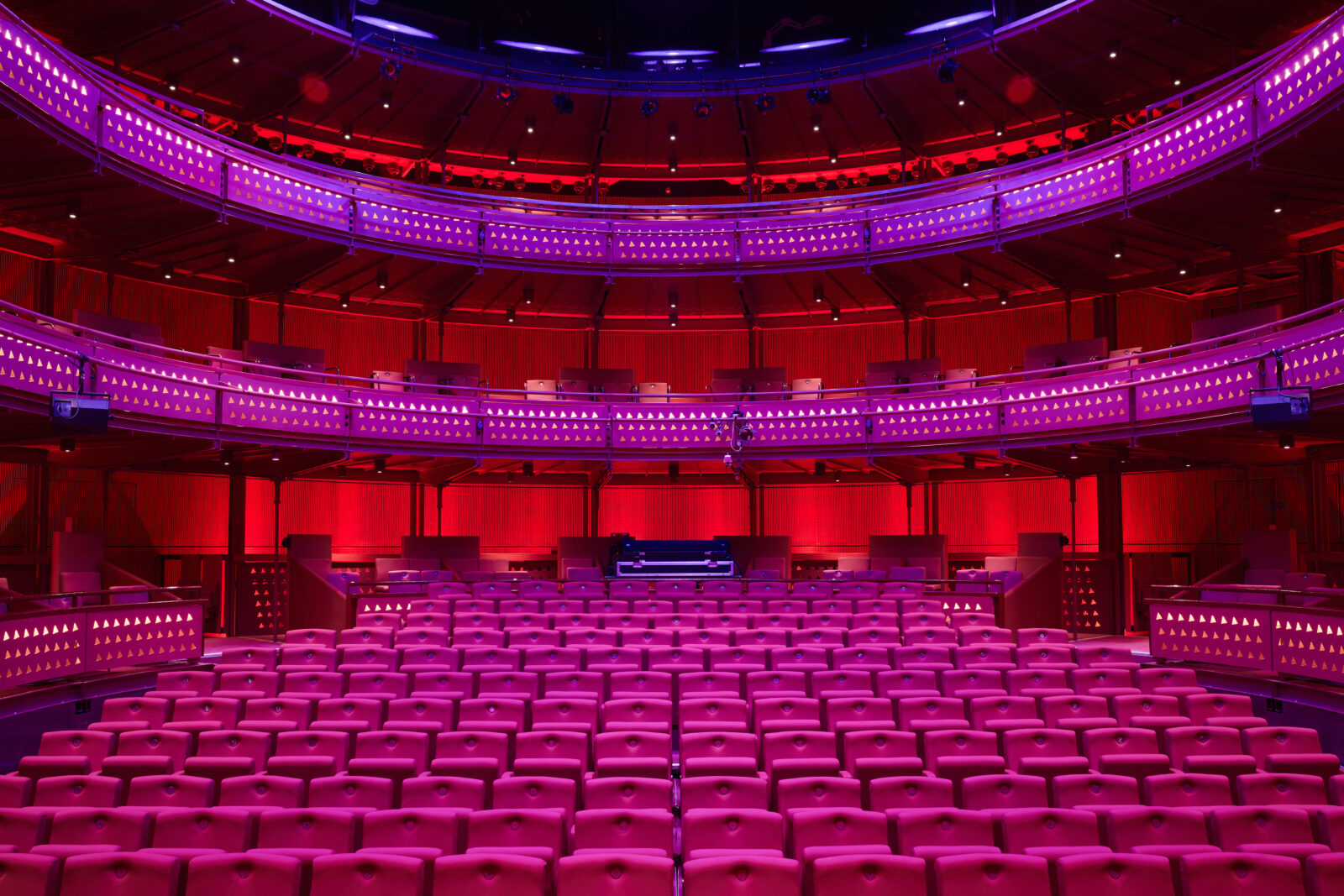
As a result, all 440 seats and various other aspects of The Lowry‘s Quays Theatre have now been renovated and refurbished.
The short story is, she looks more gorgeous than ever – see for yourself:
Being initially handed over in March 2024, The Lowry was awarded a total of £74,816 to reupholster seating in the venue’s Quays Theatre with new padding and fabric.
After almost 25 years of constant use as one of the most popular theatres in the North, the seats in the Quays Theatre were much in need of a refurb, and with work completed in December, Lowry visitors can now enjoy watching the venue’s wide range of theatre, dance, comedy and drama in comfort.
The work was actually carried out between July and December, with seats being carefully removed in batches and reupholstered off-site.
This was made possible due to the Biffa Award’s most recent ‘Cultural Facilities’ theme, which aims to improve recreation, interest and education, drawing funds from the UK government’s wider Landfill Communities Fund.
The old fabric and padding were disposed of sustainably, with lots of it being repurposed where possible to minimise waste and all the new materials used meet current guidance for safety and quality.
The Lowry’s Deputy Chief Executive and Director of Development, Gwen Oakden, said of the long overdue update:“It is so important that our audiences are able to enjoy our world-class performing arts programme in a comfortable and welcoming space.
“For many visitors to the Quays Theatre, this is their first experience of live performance – often to see a family show or as part of a school trip. We really want it to be the best experience possible, and for them to begin a lifelong relationship with Lowry.
“As a registered charity, without the generous support of this Biffa Award, for which we’re hugely grateful, we couldn’t have carried out this important work for our audiences.
As we head into our 25th Anniversary year, we are delighted to be able to welcome audiences and visitors can enjoy the beautiful and revived Quays Theatre.”
As for the Biffa side of things, Grants Manager Rachel Maidment added: “We are delighted to have supported The Lowry in refurbishing the Quays Theatre seating, ensuring audiences can continue to enjoy performances in comfort.
“Through Biffa’s Cultural Facilities theme, we fund projects that provide engaging and inspiring spaces for communities. The Lowry is a key cultural venue, and we’re proud that our funding, made possible through the government Fund, has helped enhance the experience for visitors for years to come.”
Like most Mancs, we love The Lowry, so here’s to hosting countless more theatregoers in the most comfortable seats possible for generations to come.
We’ve been to some brilliant performances around here of late.

 The Manc -
14th October 2020
The Manc -
14th October 2020