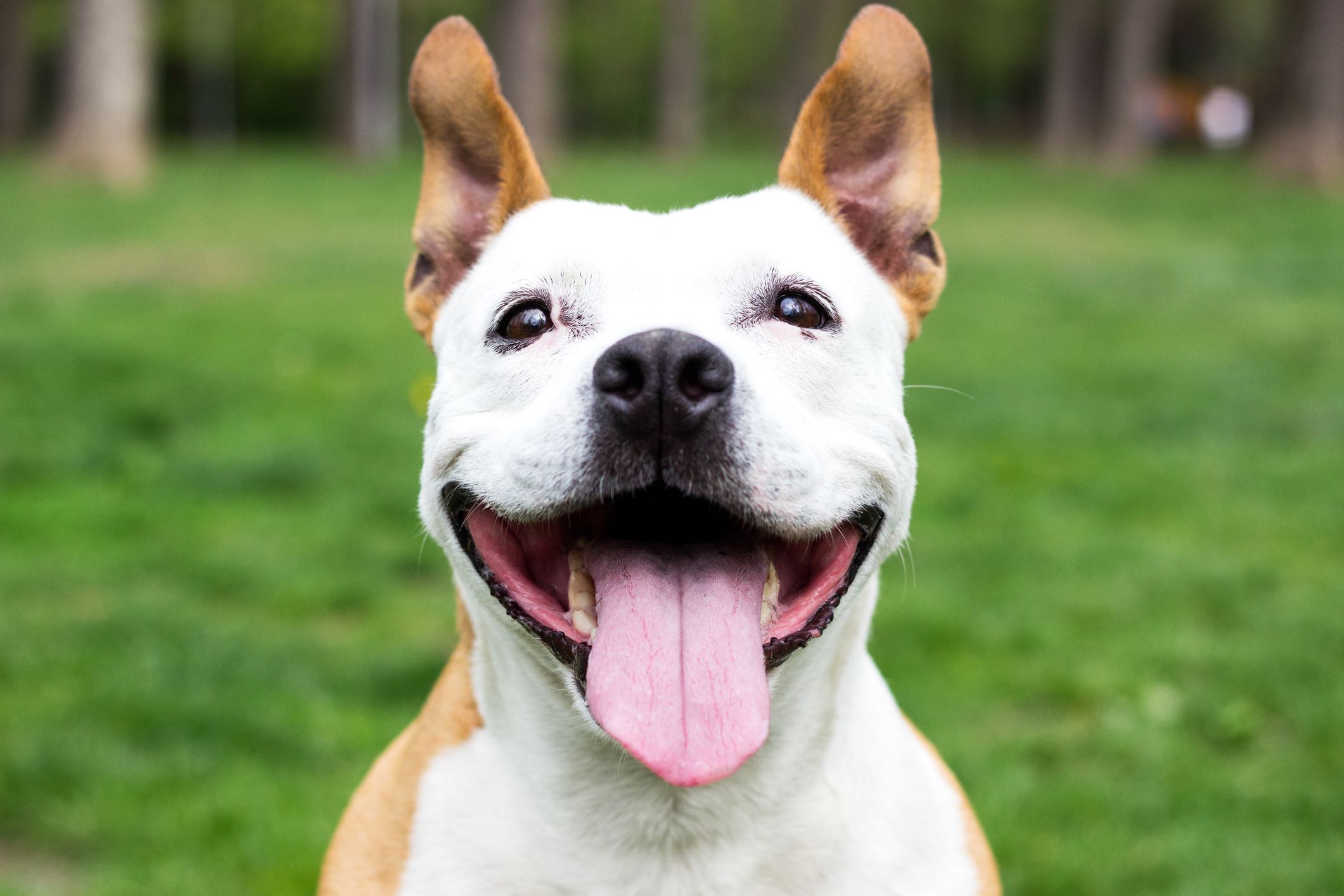
When traveling on the tram in Manchester, the rules are clear.
Dogs are banned and have been since the Metrolink’s inception in 1992, with the exception of assistance dogs and pets being taken to/fromx the PDSA charity in Old Trafford.
Justifications for retaining the ban today include concerns regarding passenger safety, fouling, damage to trams, animals’ behaviour, delays and people with allergies. But for the majority of Manchester’s dog owners (and dog lovers), the whole thing seems rather ridiculous.
After all, if you can get the train (or bus) in with them – why can’t you then get on the tram? Those living in an outer borough (or even further afield) might not even realise this isn’t allowed until after they’ve already got into Manchester. It’s definitely been my experience, and it’s maddening.
There’s been a number of campaigns over the years to lift the ban, but we think that now – following a series of lockdowns where more people than ever have gone and got themselves a furry friend – is the time to make it happen.
Metrolink
The first campaign to nudge against the reinforced door of Metrolink’s stubbornness came in 2014. A local change.org petition was created and amassed over 1,000 signatures, forcing Metrolink to agree to a review in 2013 – the first time such a thing had even been considered in the tram’s history.
That consultation involved 2,400 participants, surveying them through a mix of online and passenger surveys.
The results? After a delay of four months in releasing its findings, TfGM Committee Report for Resolution in November 2015 revealed only 28% of Mancunians actually supported the current ban, with 43% in favour of allowing dogs to travel – if certain rules were met.
At the time, these included being on a lead, paying a child fare, traveling off-peak, and keeping off seats.
The remaining 29% supported dogs travelling at any time without restrictions – meaning that 72% were in favour. Begging the question, if most people are supportive of the move then why are dogs still banned today?
Greater Good Science Centre
Fast forward to 2015, and we find Lib Dem Councillor Iain Roberts fighting in our dogs’ corner.
Six years ago, the Stockport lead for TGfM campaigned hard for a trial run that would allow caged dogs to ride in carriages – overkill in our opinion. (In fact, we’d argue perhaps a few of the people traveling on the tram might benefit from the occasional cage, too).
In Roberts’ defense, though, at least he was trying. At the time, he told The MEN: “Until now, TfGM has always refused even to conduct a trial. I am very pleased the Lib Dem campaign is making progress.”
It’s not clear if those cages would have been supplied by dog owners or by Metrolink themselves, but it does seem that there was a proposed limit of one container per passenger.
This sort of proposal kind of reminds us of the NYC ‘dogs in bags’ debacle, in that it doesn’t really make much practical sense – and it’s the sort of thing us Mancs would love to defy.
Here’s why. The idea of caging a dog might alleviate the fears of some passengers, but inevitably in practice all this serves to do is stress dogs out – making the whole thing a lot worse for all passengers, dog lovers or not, in the long term.
Just like we saw Dobermans wearing IKEA bags in New York, we expect it wouldn’t have been long until Mancs started getting equally creative with these cages.
38 Degrees
In fact, we know for a fact many owners already do twist the existing rules – often putting assistance dog harnesses on their pups to get around the tram’s accessibility exemption for guide and hearing dogs.
Good intentions or not, Roberts’ careful plans were also rejected by Metrolink at a second bylaw review – despite support from RSPCA bosses at the time who said it would be beneficial for the animals if fewer pets were left at home all day.
2018 saw another failed attempt at overturning the ban, this time by local dog owners Adam Wilcox and Sam Elphick with a petition that gained nearly 7,000 signatures. The pair accused Transport for Greater Manchester of discriminating against dog owners, given that services elsewhere in the country don’t bother imposing such restrictions.
The Met’s justification for upholding the ban today seems to be centered around a risk assessment from 2015, which relies heavily on the excuse that “Metrolink operates as a high-frequency, high-volume, unstaffed system and there is no representative on board to assess the potential risk posed by animals.”
@Sad_Dog123@OfficialTfGM Hi there. A consultation regarding this was held a couple of years ago and the majority answer came back that dogs shouldn't be allowed other than assistance dogs. Services can get very busy and safety of all passengers is priority. Thanks.
— Manchester Metrolink 🚊 (@MCRMetrolink) May 14, 2021
This is what Councillor Andrew Fender, then-chair of the TfGM Committee, argued at the last review. But we’d dare to venture that things have moved on quite significantly since then.
New measures introduced due to Covid make this argument much less compelling today, given that Manchester Metrolink has now significantly upped the number of staff on the services it runs across the city.
The tram is also now running “double units” at ten-minute intervals to ensure social distancing on trams – proving that when there’s a will for change, there’s a way.
Perhaps someone at the met just really doesn’t like dogs? At this point, we really don’t understand why else this outdated bylaw is still in play.
Come on, Metrolink – now’s the time to turn it around and make yourselves popular with Manchester’s dog owners again. We’re slowly becoming the majority, after all.
News
Rochdale has been named Greater Manchester’s ‘Town of Culture’ for 2025
Emily Sergeant
Rochdale has officially been named Greater Manchester’s Town of Culture for 2025.
Taking over the reins from Bolton – which held the title in 2024 – and following in the footsteps of Stockport before that, which held the title in 2023, and even hosted a massive ‘Town of Culture Weekender’ festival with 50+ free events to celebrate and bring its title year to a close, it’s now the turn of the north-eastern Greater Manchester borough of Rochdale.
Rochdale’s year will build on the town’s already-rich cultural history and international reputation as the home of the co-operative movement.
More than 35 arts organisations will be bringing together an ambitious programme of festivals, exhibitions, events, and performances throughout the year.
Unfamiliar with what the ‘Greater Manchester Town of Culture’ title is all about? It’s an accolade that’s handed out every year to different boroughs across the region.
Bury was the inaugural title-holder 2020 and held onto it in 2021 too due to the COVID pandemic, before being followed by Stalybridge in 2022, Stockport in 2023, and of course, Bolton in the year just gone.
The title celebrates Greater Manchester’s culture and heritage.
As well as getting a new title to shout about, it also sees the towns given a grant from the Greater Manchester Combined Authority (GMCA) culture fund to help develop a programme of cultural events and activities throughout the year.
Rochdale has been named Greater Manchester’s ‘Town of Culture’ for 2025 / Credit: The Manc Group | Rochdale Council
In Rochdale’s case, you can expect the ‘very best local talent’, as this year is promising to put ‘people power’ centre stage, with residents helping to plan, develop, and deliver a lineup of creative activities, alongside a number of major events.
This includes the popular free days out for families, an exciting new urban arts festival, two different food and drink festivals, a lantern parade, the Ignite Fire Festival, a Pride parade, and so much more.
You can also expect live music performances, a new people’s gallery, and even some major international collaborations that are yet to be announced.
Rochdale is taking over the reins from Bolton, which held the title in 2024 / Credit: Rochdale Council
“Rochdale is a place with a rich cultural history, so it is great to name it Greater Manchester’s town of culture as it’s town hall and town centre enter a new era,” commented Greater Manchester Mayor Andy Burnham as the borough was crowned this week.
“Rochdale submitted a fantastic bid for this which, was incredibly exciting and ambitious, while being firmly rooted in its local talent and deep history.
“We are definitely going to see the very best of what Rochdale has to offer over the next 12 months and people will come from far and wide to see it.”
Featured Image – Rochdale Council
News
The Lowry Theatre undergoes revamp following Biffa Award grant
Danny Jones
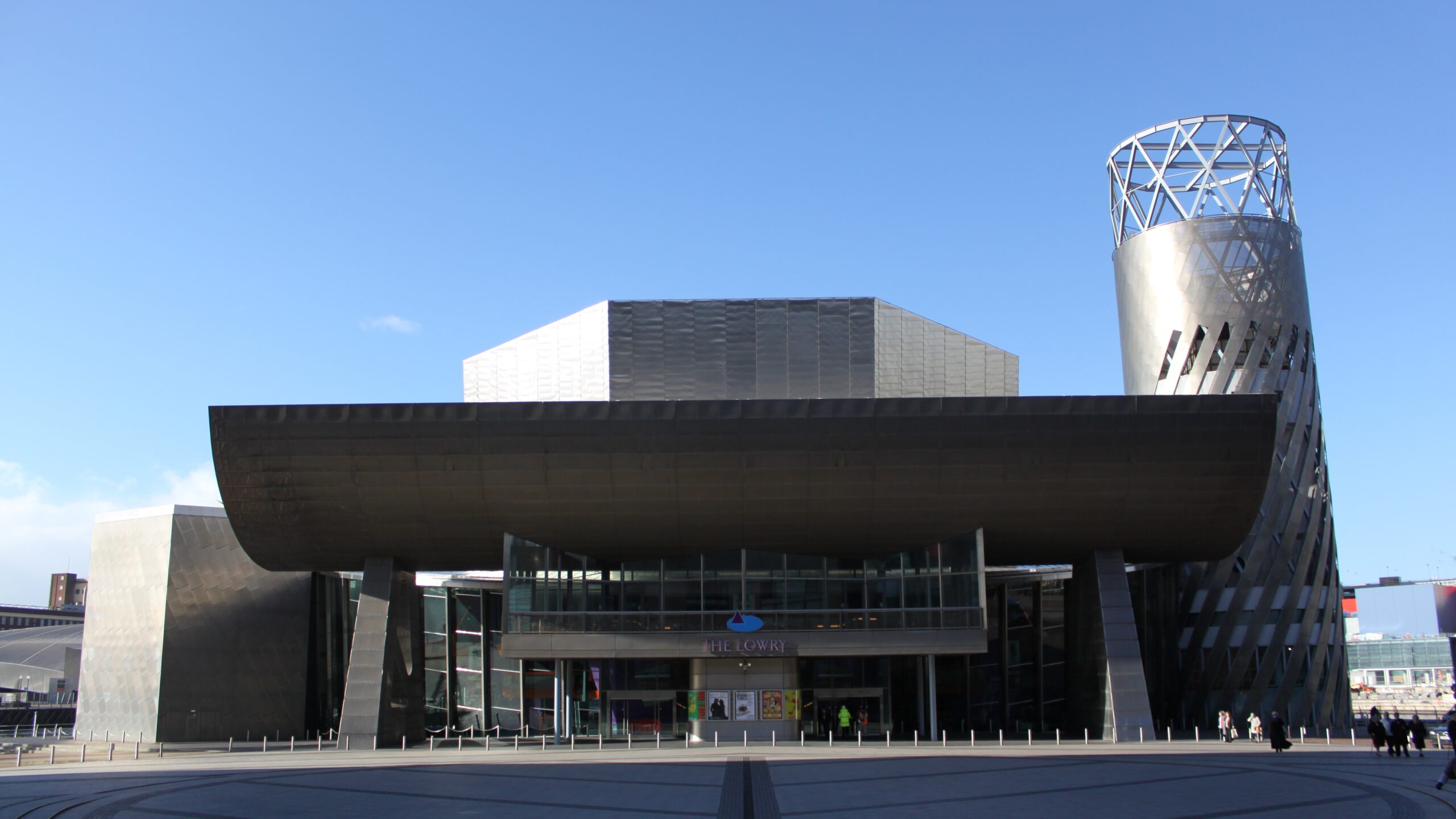
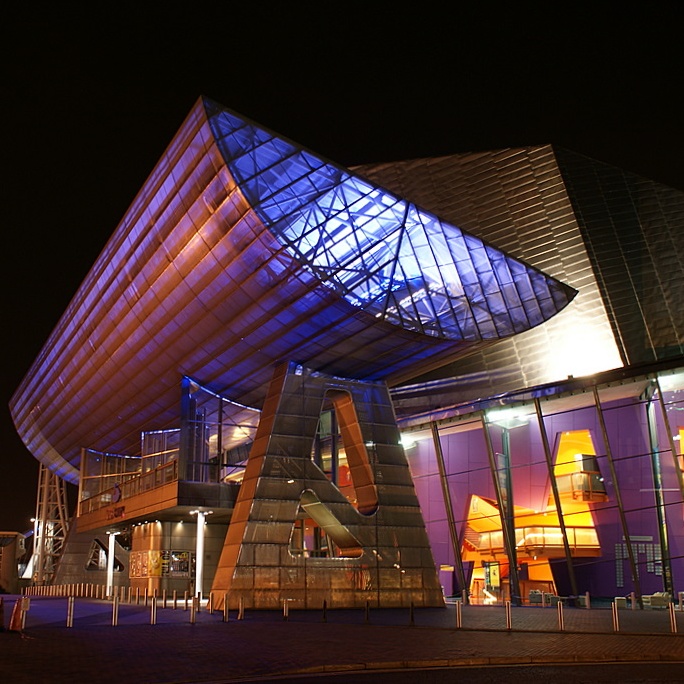
The Lowry in Salford Quays has had a bit of TLC with one of its biggest theatre spaces undergoing a pretty significant refurb this past month.
Following a well-deserved grant distributed via the Biffa Award, a multi-million-pound fund that helps to build communities and transform lives through community and environmental projects across the UK, the legendary local theatre received nearly £75k last year.
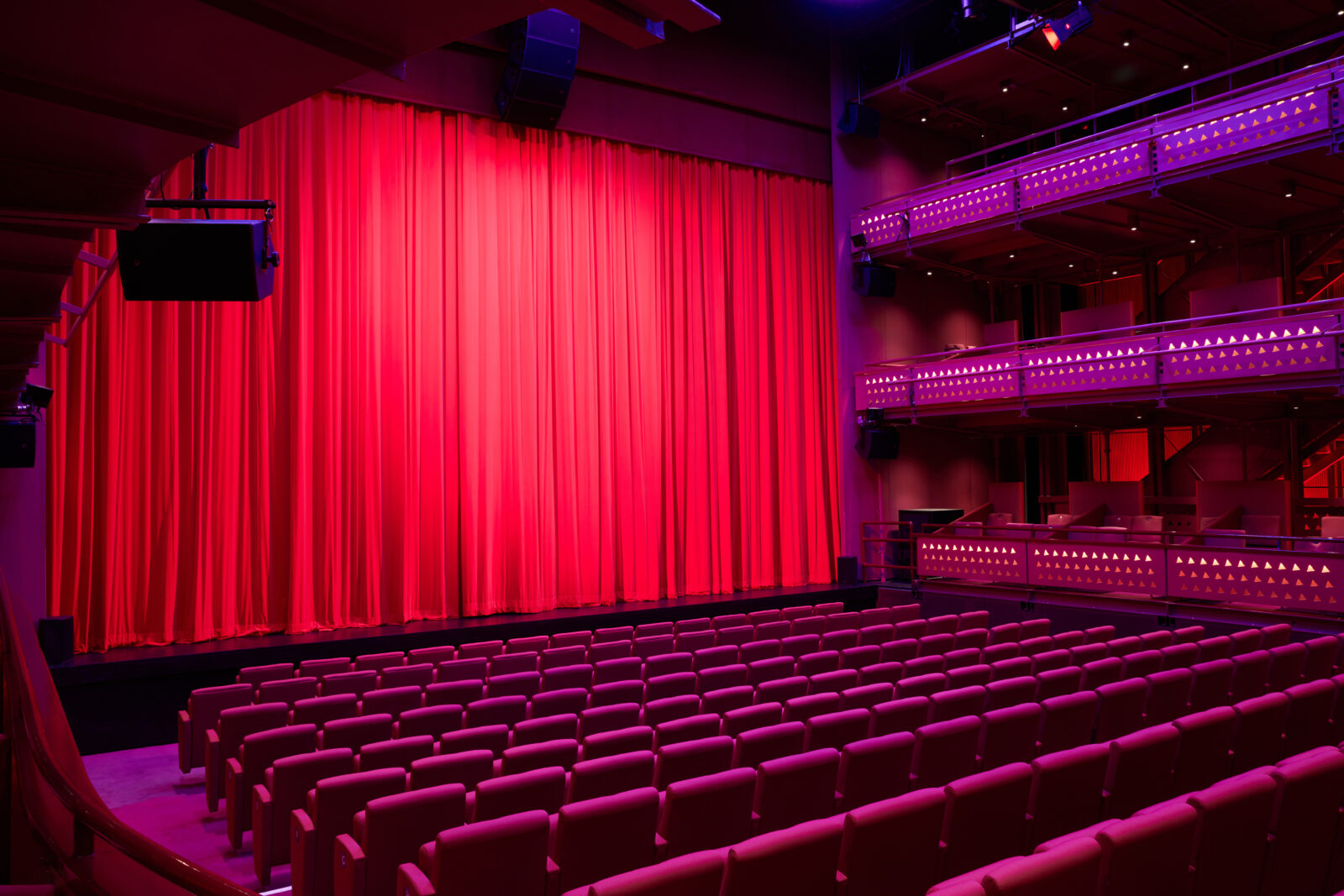
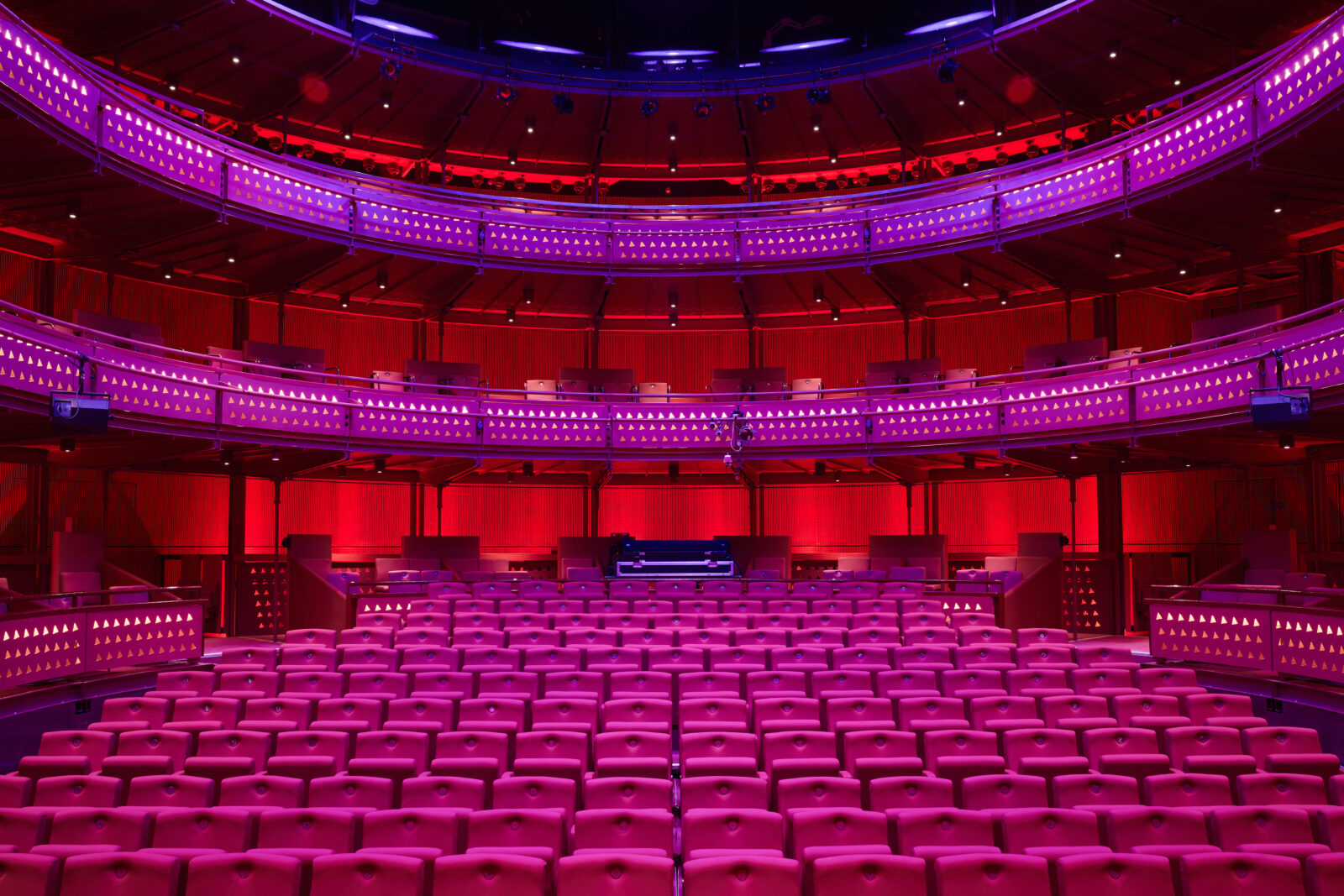
As a result, all 440 seats and various other aspects of The Lowry‘s Quays Theatre have now been renovated and refurbished.
The short story is, she looks more gorgeous than ever – see for yourself:
Being initially handed over in March 2024, The Lowry was awarded a total of £74,816 to reupholster seating in the venue’s Quays Theatre with new padding and fabric.
After almost 25 years of constant use as one of the most popular theatres in the North, the seats in the Quays Theatre were much in need of a refurb, and with work completed in December, Lowry visitors can now enjoy watching the venue’s wide range of theatre, dance, comedy and drama in comfort.
The work was actually carried out between July and December, with seats being carefully removed in batches and reupholstered off-site.
This was made possible due to the Biffa Award’s most recent ‘Cultural Facilities’ theme, which aims to improve recreation, interest and education, drawing funds from the UK government’s wider Landfill Communities Fund.
The old fabric and padding were disposed of sustainably, with lots of it being repurposed where possible to minimise waste and all the new materials used meet current guidance for safety and quality.
The Lowry’s Deputy Chief Executive and Director of Development, Gwen Oakden, said of the long overdue update:“It is so important that our audiences are able to enjoy our world-class performing arts programme in a comfortable and welcoming space.
“For many visitors to the Quays Theatre, this is their first experience of live performance – often to see a family show or as part of a school trip. We really want it to be the best experience possible, and for them to begin a lifelong relationship with Lowry.
“As a registered charity, without the generous support of this Biffa Award, for which we’re hugely grateful, we couldn’t have carried out this important work for our audiences.
As we head into our 25th Anniversary year, we are delighted to be able to welcome audiences and visitors can enjoy the beautiful and revived Quays Theatre.”
As for the Biffa side of things, Grants Manager Rachel Maidment added: “We are delighted to have supported The Lowry in refurbishing the Quays Theatre seating, ensuring audiences can continue to enjoy performances in comfort.
“Through Biffa’s Cultural Facilities theme, we fund projects that provide engaging and inspiring spaces for communities. The Lowry is a key cultural venue, and we’re proud that our funding, made possible through the government Fund, has helped enhance the experience for visitors for years to come.”
Like most Mancs, we love The Lowry, so here’s to hosting countless more theatregoers in the most comfortable seats possible for generations to come.
We’ve been to some brilliant performances around here of late.

 Georgina Pellant -
18th May 2021
Georgina Pellant -
18th May 2021