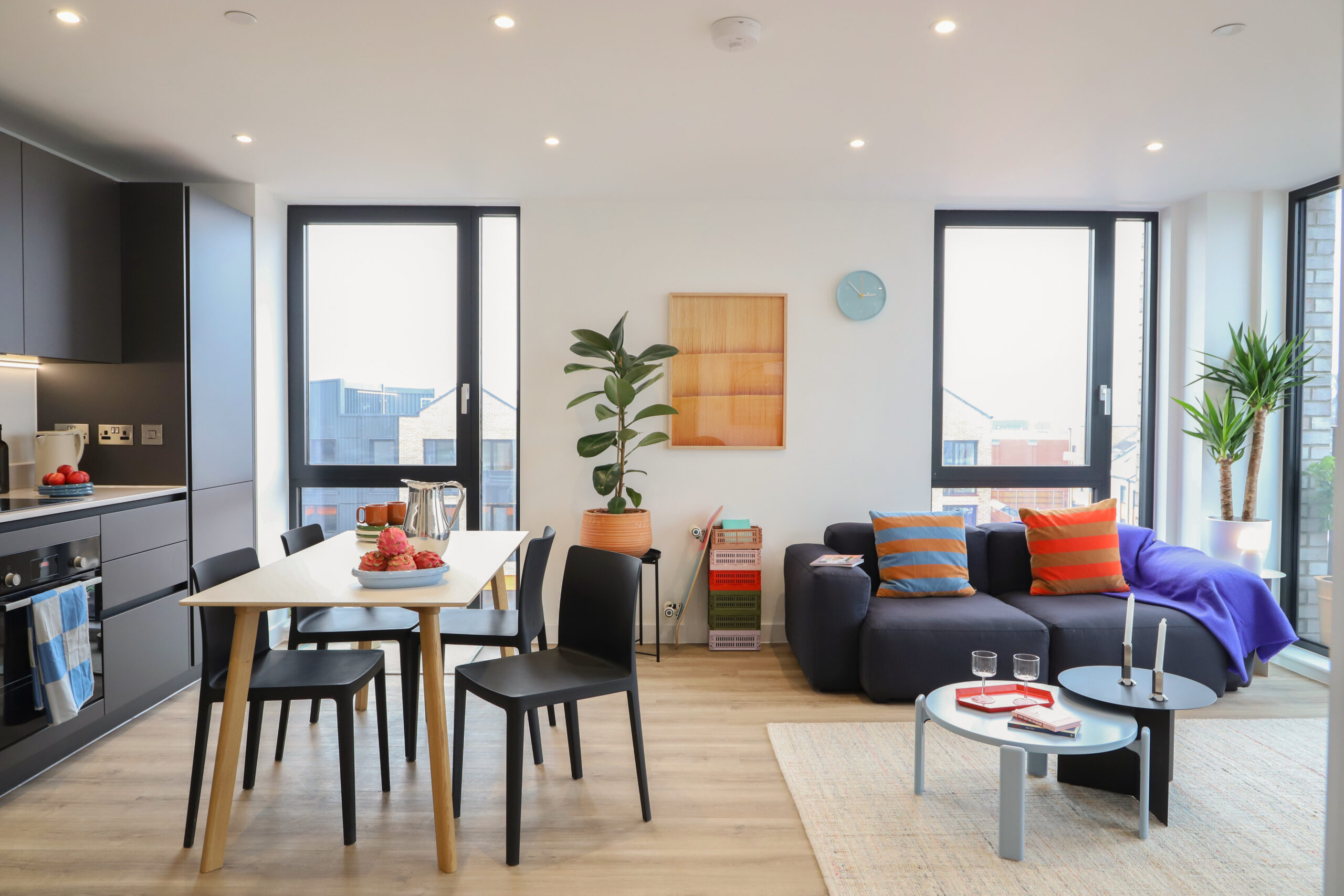
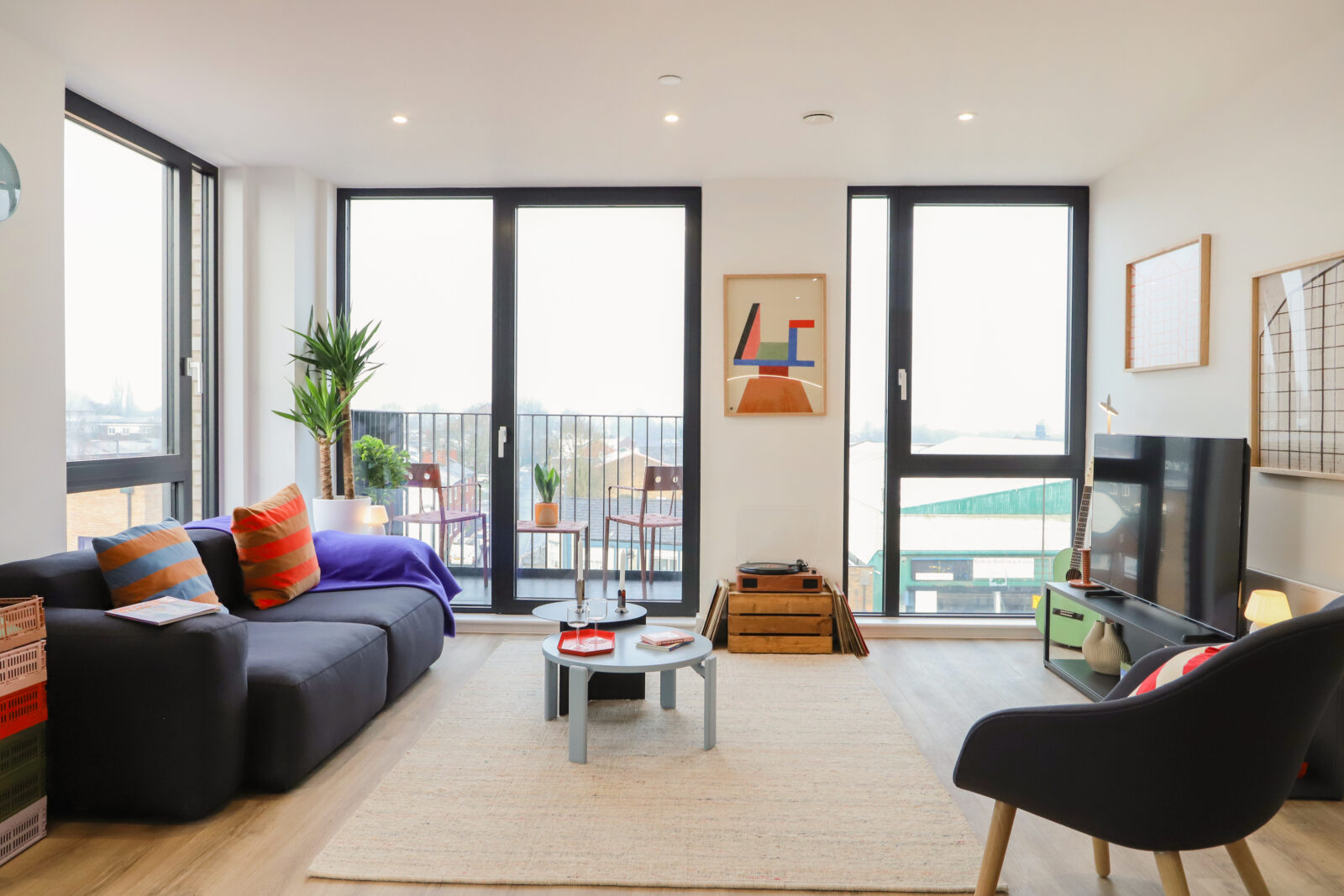
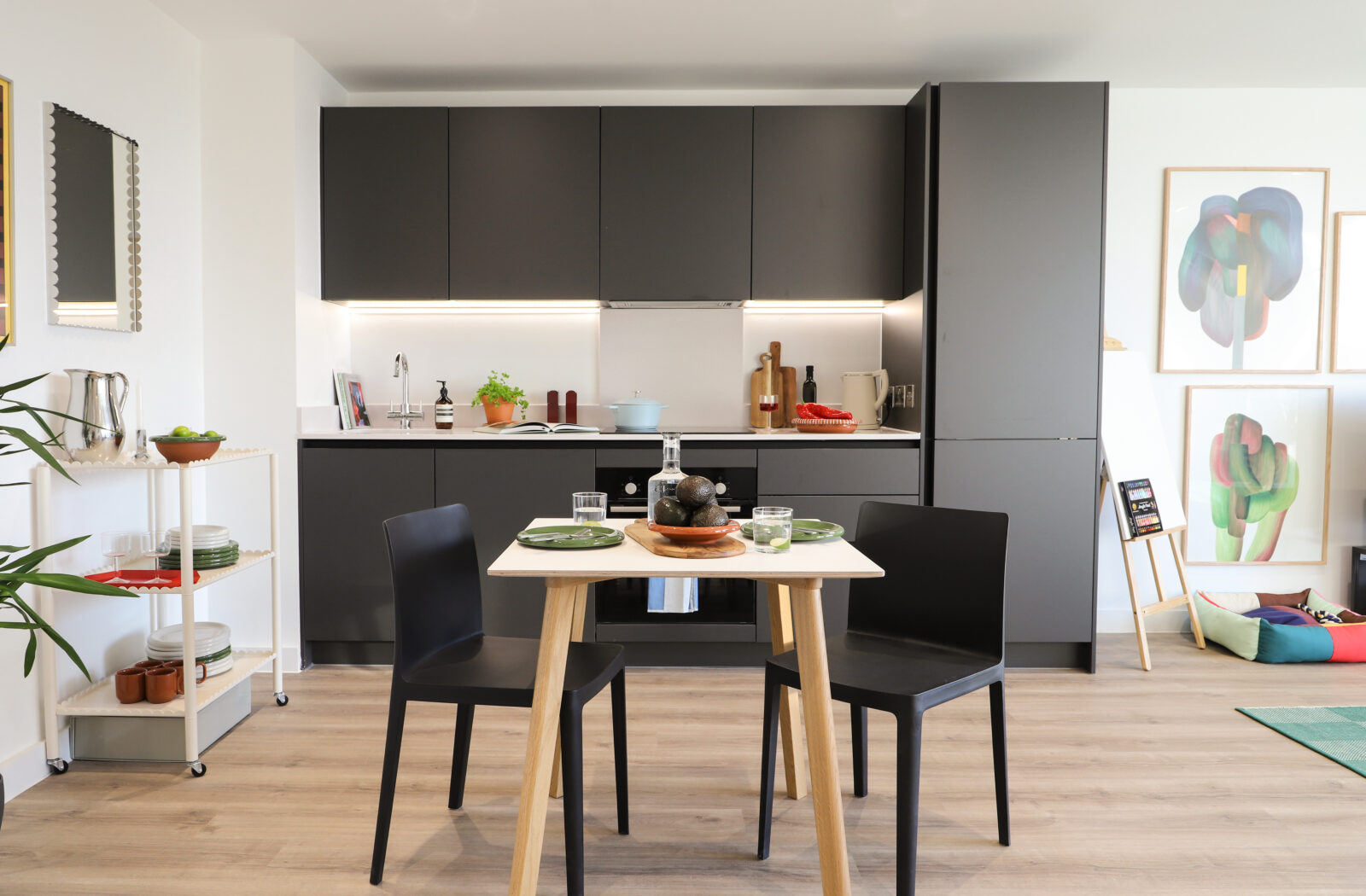
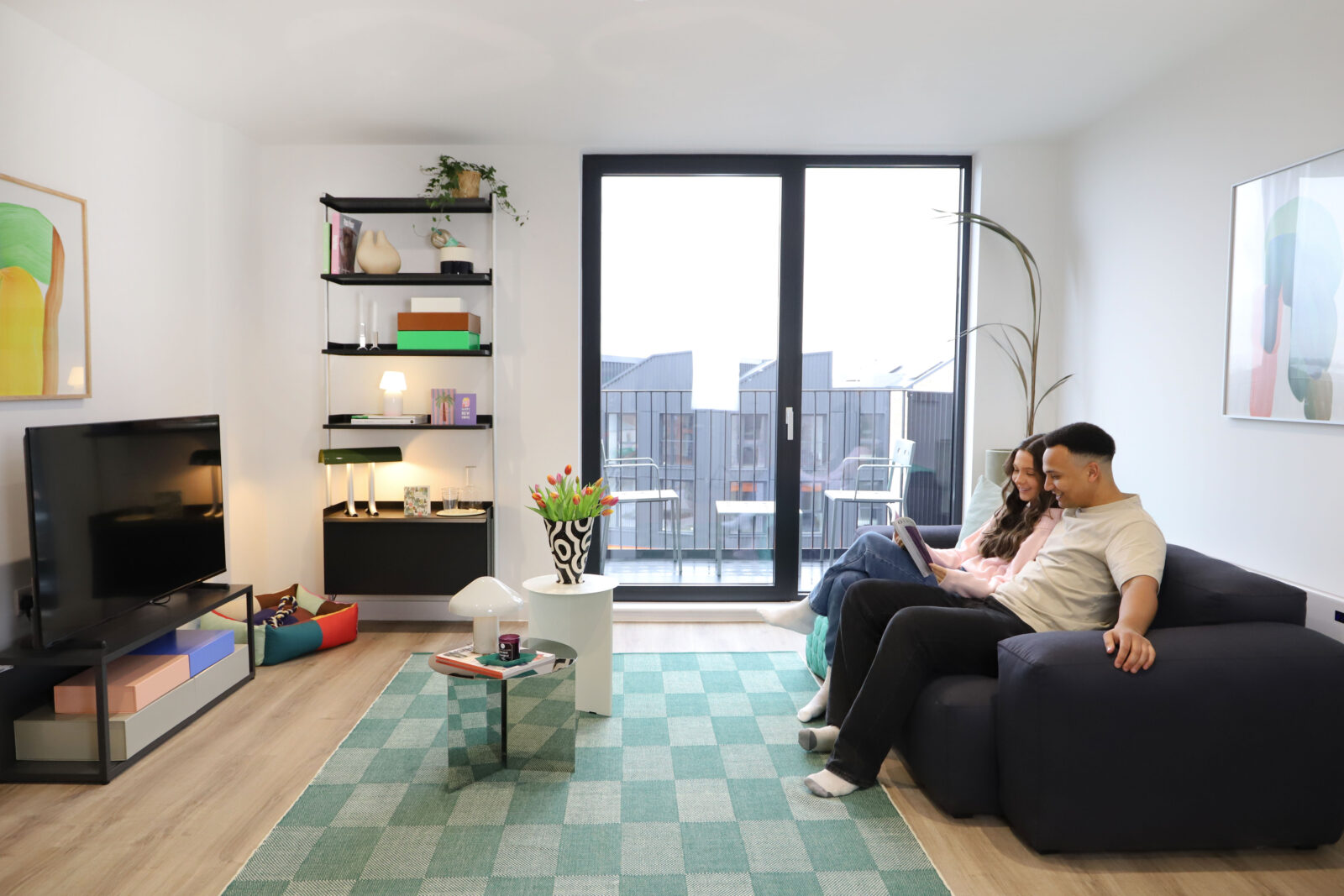
Piccadilly East is on the way to becoming one of Manchester’s coolest new neighbourhoods, but the once little-known corner of the city has a fascinating hidden history.
Like Castlefield, the Northern Quarter and Ancoats before it, the district – set between Piccadilly Station and Great Ancoats Street – is making waves as one of the up-and-coming places to live for people wanting to get ahead of the property curve.
The team behind Ramona and The Firehouse recently revealed plans to transform Piccadilly East’s Diecast building into a massive beer hall and night market, alongside creative workspaces and gardens.
This spring will also see the opening of the striking Leonardo Hotel – the brand’s first spot in the city, with bar, restaurant and wellness spaces.
Add to that plans for more homes, pocket parks and community events and a proper buzz is building, with Piccadilly East being named by The Times as one of the ‘next great places to live’.
But those calling it home will be the latest in a rich and colourful history. From rival gangs and gritty industrial slums, to a former life as a red light district, the streets echo with the stories of the past.
The Commune
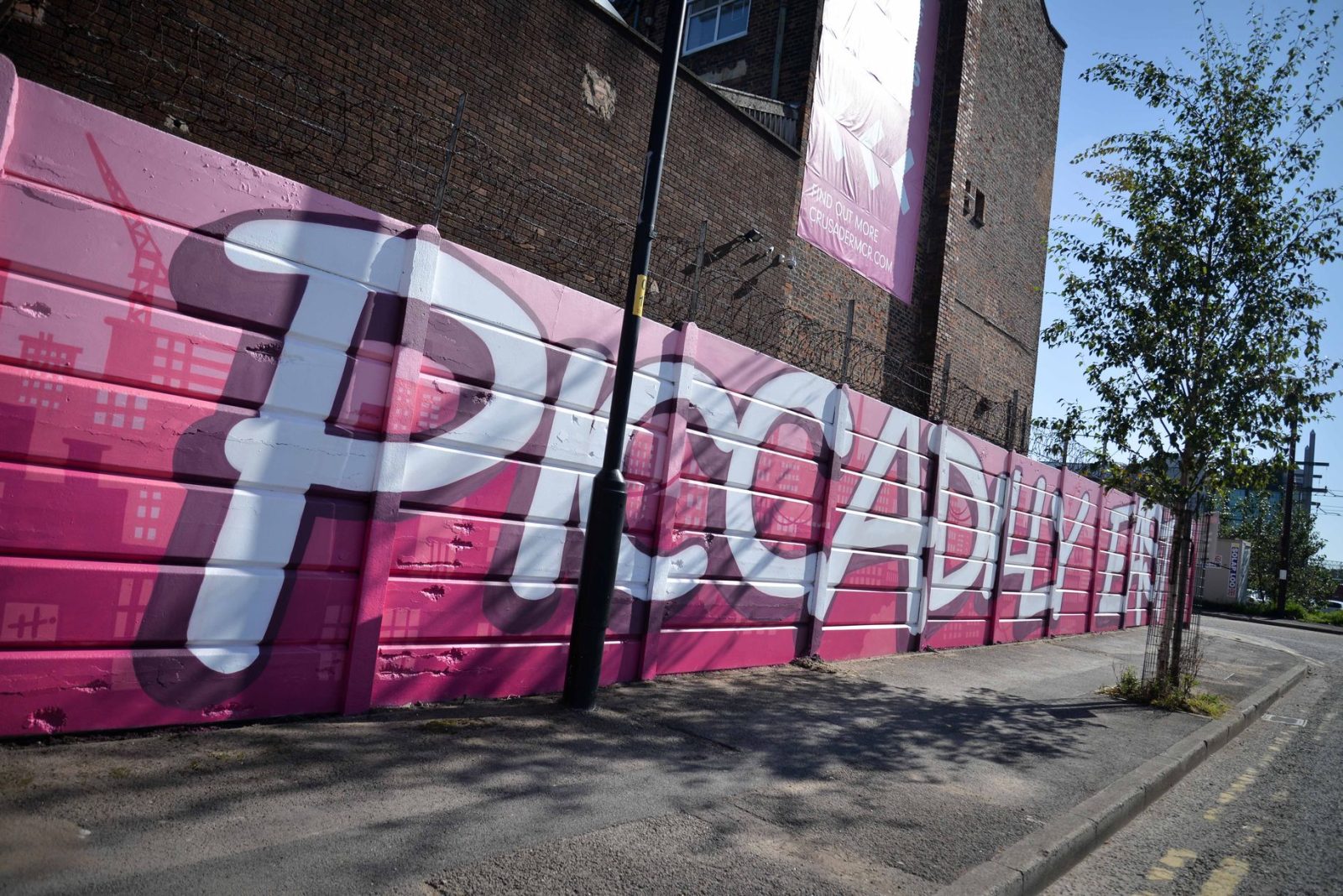
Piccadilly East has been named as one of the ‘next great places to live’.
It might seem mad today, but most of the area surrounding Crusader Mill on Chapeltown Street was slum housing and back-to-back terraces.
Sometimes nicknamed The Dardanelles or, more locally, The Commune, the communities housed workers from Crusader and the surrounding mills.
The tiny houses were often home to around nine people living in poverty, including local workers, their kids and lodgers.
It’s where machinists, carters, and railway labourers rested their head after their shifts, alongside cotton spinners and reelers, tailors, packers, stay (corset) makers, and paviers who were working on the rapidly expanding city’s infrastructure.
The success of the neighbourhood played out in the local pubs, mostly lost to slum clearance. Whilst their daily life and celebration likely played out in these boozers, sadly it’s the stories of strife and sorrow that are usually logged in the history books.
Gangs and scuttling
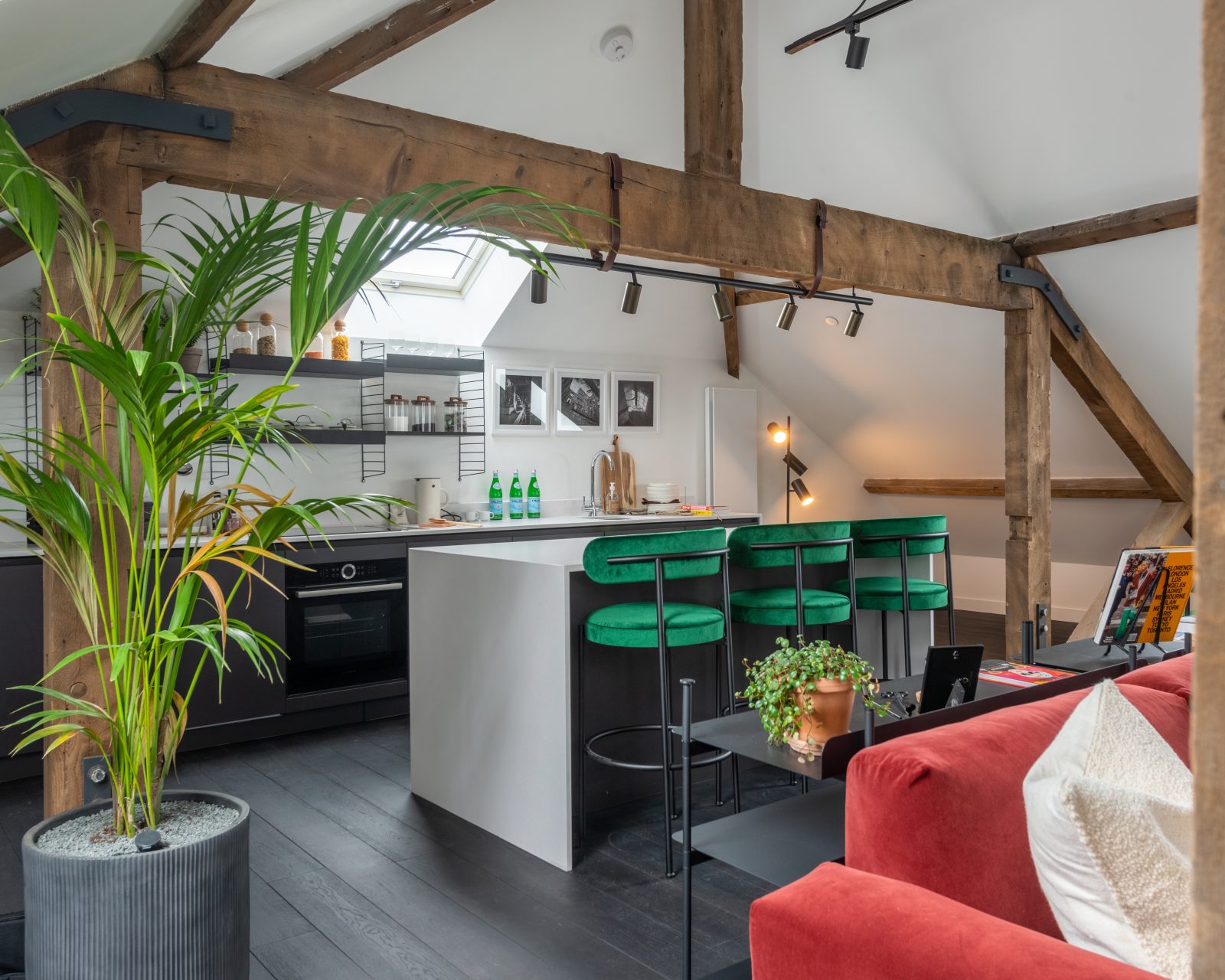
Crusader Mill
The area was once rife with crime, with young boys making up the gangs of Manchester. The Scuttlers and The Quality Street Gang (the inspiration for the Thin Lizzy song ‘The Boys Are Back In Town’) ran the streets around Piccadilly East and Ancoats.
Like George Moran, described in records as ‘a rough’, who lived there in the 1890s and was part of the gang that served as the influence for TV smash series Peaky Blinders. By the time George was in trouble for scuttling it was their peak time in history, with more young people in Strangeways prison for scuttling than anything else.
Scuttling – involving groups of young men fighting – all but vanished when the slums in the area were cleared in the following decades.
Colourful characters
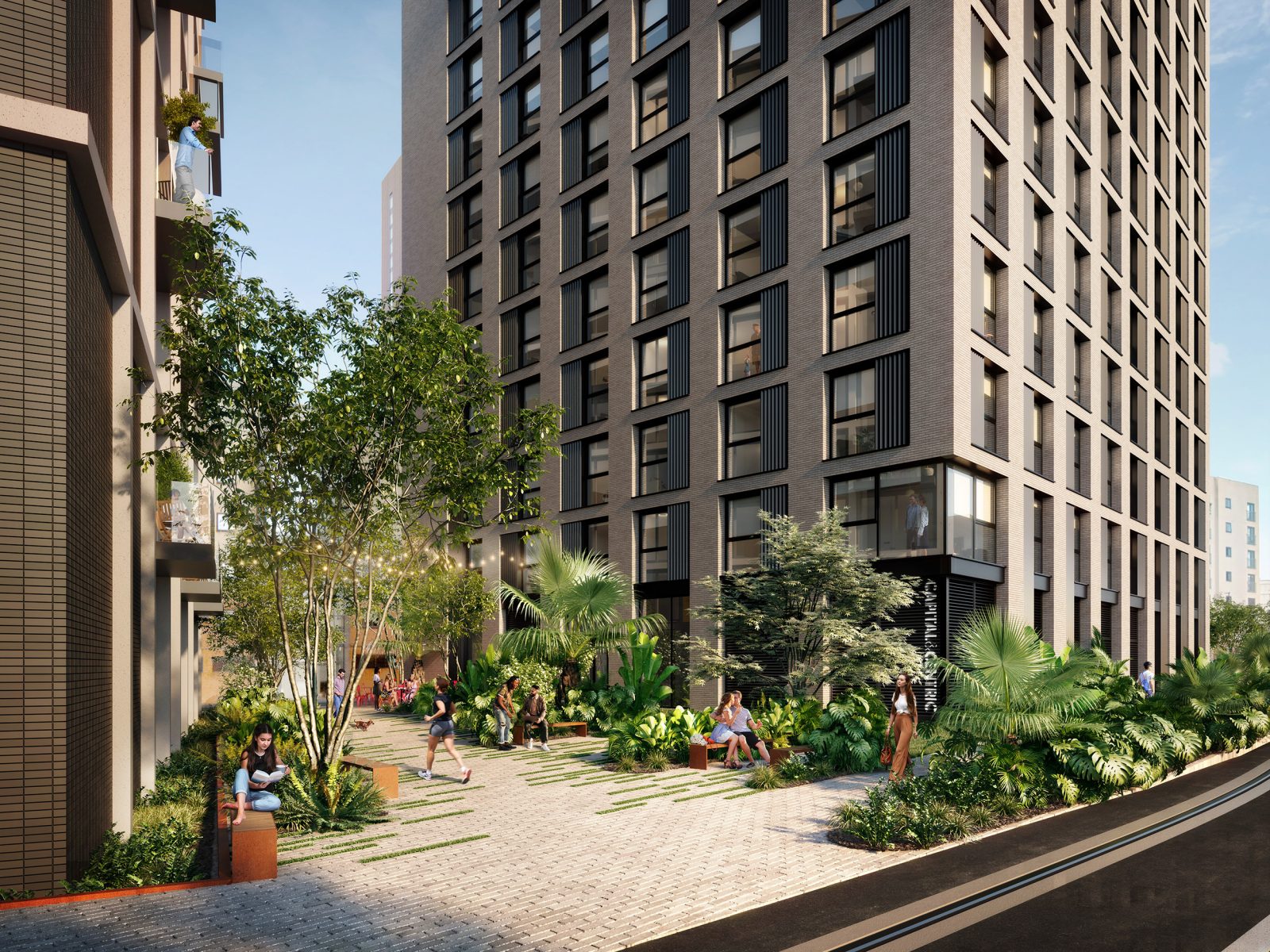
Ferrous
The Leonardo Hotel
Developments transforming Piccadilly East
Loads of colourful characters make up the very human history of the neighbourhood.
Tales like that of Elizabeth White, who lived on Travis Street. She met a man – George Craven – that summer in Blackpool, and he began lodging with her. It turned out Craven was a wanted burglar who had cut a hole in the ceiling of a jewellers so he could wriggle in and raid the joint.
Police tracked him down to Elizabeth’s home in 1872, where he shot a Detective Rowbottom, who survived a bullet that passed straight through his wrist.
Or the likes of the McGlynns, two local performers believed to have been part of Hengler’s Grand Cirque, a circus that stood for only four years before it was demolished to make way for the Hippodrome.
Performances included an early incarceration of the living statues now common on Market Street, and ‘Siberia’, which saw soldiers and horses plunged in water ten feet deep.
The McGlynn family vanished from the records around the time the circus was demolished – some believed they went to Paris to join the era of the Moulin Rouge.
Or the people who kept the community going, like knocker upper Rueben Holland, lamplighter Thomas Kennedy, fireman Thomas Taylor, Alice Baths the umbrella maker, and a pickle packer named Elizabeth Grice.
A new chapter
Crusader Mill
Crusader Mill
Phoenix
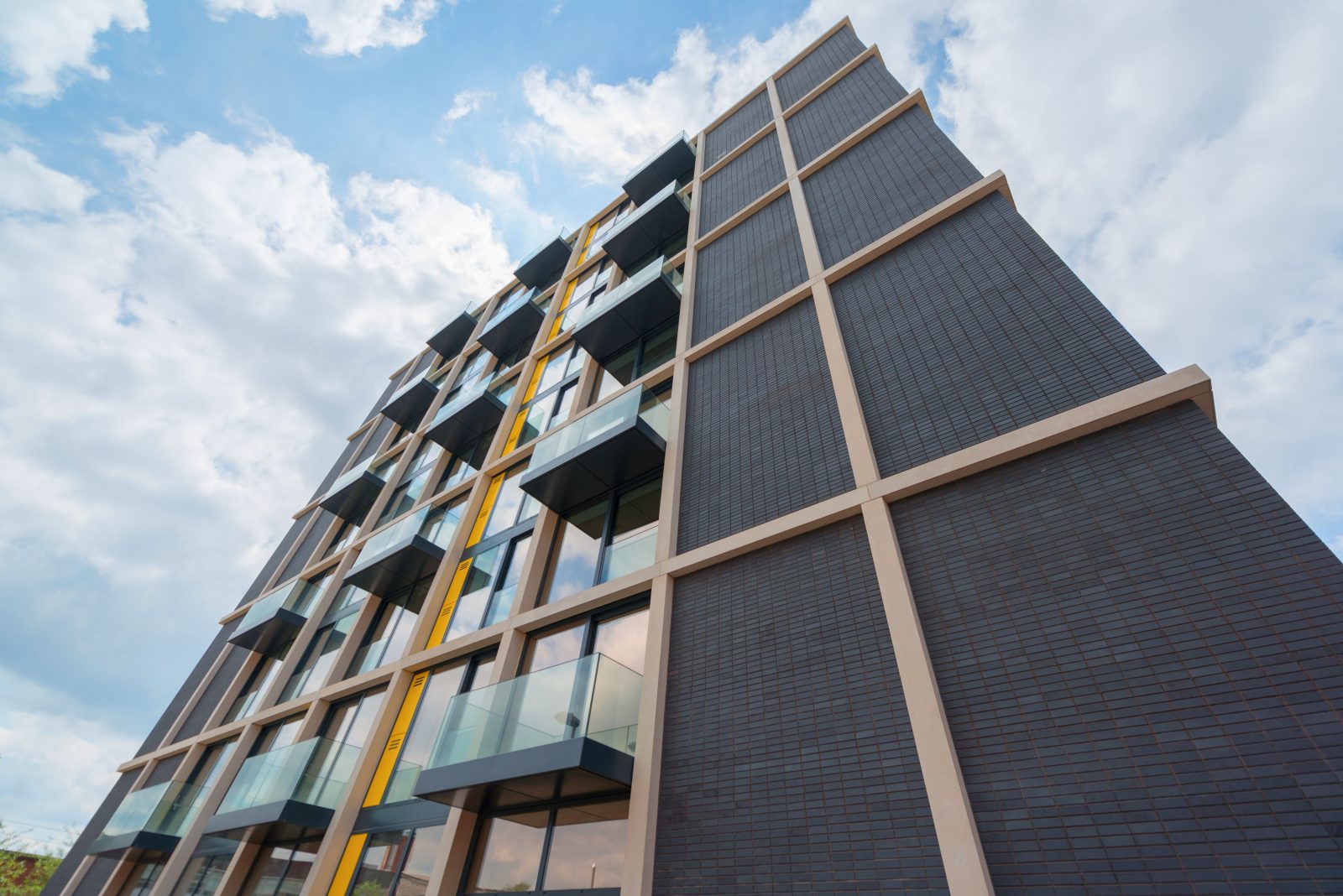
Phoenix
New Capital & Centric developments in Piccadilly East.
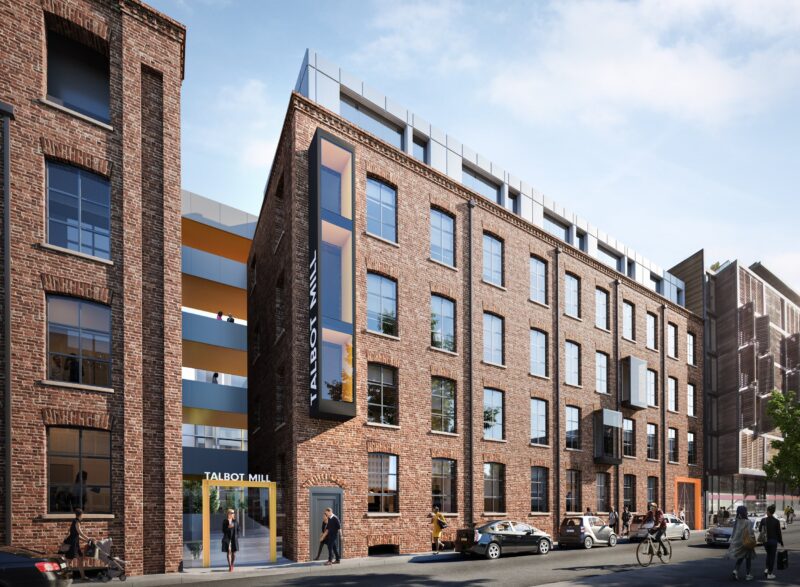
Social impact developer Capital&Centric are leading the re-birth of the neighbourhood, with projects including the restoration of the historic 200-year-old Crusader Mill into homes and the neighbouring new-build Phoenix, industrial loft apartments. Their new-build community Ferrous, featuring ground floor cafes, bars and outside event space has also just been given the go ahead.
Crusader dates back to the 1840s, when it was the home of manufacturing company Parr, Curtis and Madeley and a key cog in Manchester’s Cottonopolis past.
A huge fire destroyed much of the mill, then known as Phoenix Works, in 1861, with the weight of the machinery and the damage brought by the flames causing the floors to collapse.
It was rebuilt, and by the 1920s was known as Crusader Mill, occupied by creative industries like the arts and publishing.
Thankfully, the days of slums and Scuttlers are long gone. A new chapter for the building and neighbourhood has already begun, with residents living where hundreds of people once worked.
But whilst the next era of Piccadilly East will be one buzzing with community life, the Mancunian stories that have shaped its past will always be a part of its heritage.
Visit the Crusader and Phoenix websites to find out more or call 0161 222 0204 to arrange a viewing.
Property
Sneak peak inside swanky new homes ready to rent in an up-and-coming Greater Manchester town
Emily Sergeant
Dozens of swanky new homes are now available to rent in an up-and-coming Greater Manchester town.
A collection of exciting first look images have been released of the new homes.
The reboot of the former derelict market precinct in the suburban Bolton town of Farnworth is being spearheaded by Capital&Centric, and the social impact developers behind the project are now giving prospective renters a sneak peak into the developed.
Dubbed Farnworth Green, the new community consists of 97 rental homes, made up of a super energy-efficient range of townhouses and apartments.
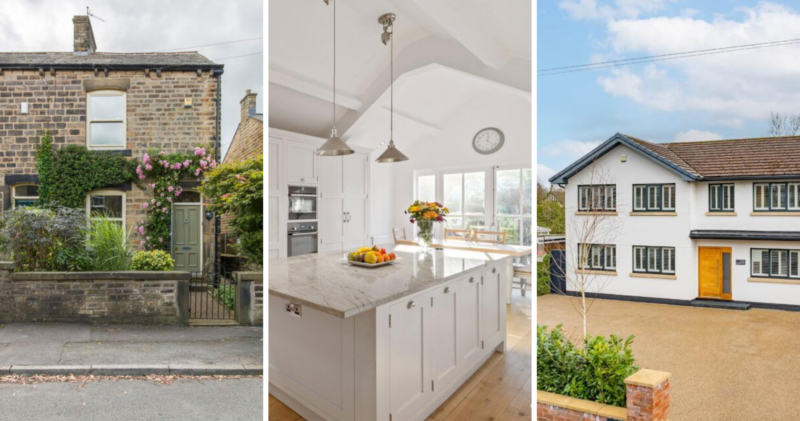
The development will be comprised of a mix of one, two, and three-bedroom properties, with 85 stunning apartments and 12 family homes – all of which have been designed with the same high-quality features that are usually reserved for Capital&Centric‘s city centre spaces.
Designed for renters, the dozens of new homes come with even more living space, as well private gardens to be enjoyed when the sun makes an appearance, and potting sheds for all the green-fingered people out there.
Residents will also have access to the exclusive rooftop garden, gym, lounge, co-working spaces, and dog washing stations for their four-legged friends.
The two-bed apartments are packed with Scandi-designed HAY furniture and massive floor-to-ceiling windows to flood the rooms with light, while the the top-spec kitchens are kitted-out with all the mod-comms and latest appliances you would expect.
The new townhouses, on the other hand, will be the first to be delivered under the developer’s ‘Neighbourhood’ brand.
Pioneering new homes at Farnworth Green are now available to rent / Credit: Capital&Centric (Supplied)
This includes Bolton’s first-ever operationally net zero homes, aiming to ‘slash’ energy bills for residents.
A raft of independent bars, eateries, and shops will also be taking shape on the ground floor of the community hub, giving locals and residents a place to meet up and enjoy seasonal outdoor events that will be planned once the neighbourhood is up and running.
Residents will also be able to spend time in a brand-new public square at the heart of the community, which will play host to artisan markets, art shows, and foodie pop-ups.
A collection of exciting first look images have been released of the new homes / Credit: Capital&Centric (Supplied)
“We’re buzzing to see the new homes come to life at Farnworth Green,” commented Tom Wilmot, who is the joint Managing Director of Capital&Centric.
“Farnworth Green is all about creating new and exciting spaces for businesses and the community to spend time in, as well as delivering a pioneering new town centre living experience and giving disused retail areas a new lease of life.”
Capital&Centric is encouraging people to sign-up fast to secure a viewing for the remaining apartment here, or walk-ins will be welcomed too.
Featured Image – Capital&Centric (Supplied)
Property
Manchester to get ANOTHER new city centre park as plans get green light
Emily Sergeant
You wait 100 years for a new city centre park, and then two come along one after the other.
That’s right, merely a few years after Mayfield Park finally opened to the Manchester public after more than a century without one, it’s now been revealed that another park is planned for the city centre, as the Government has given the green light to a major new ‘digital campus’ bringing 7,000 civil service jobs to the region.
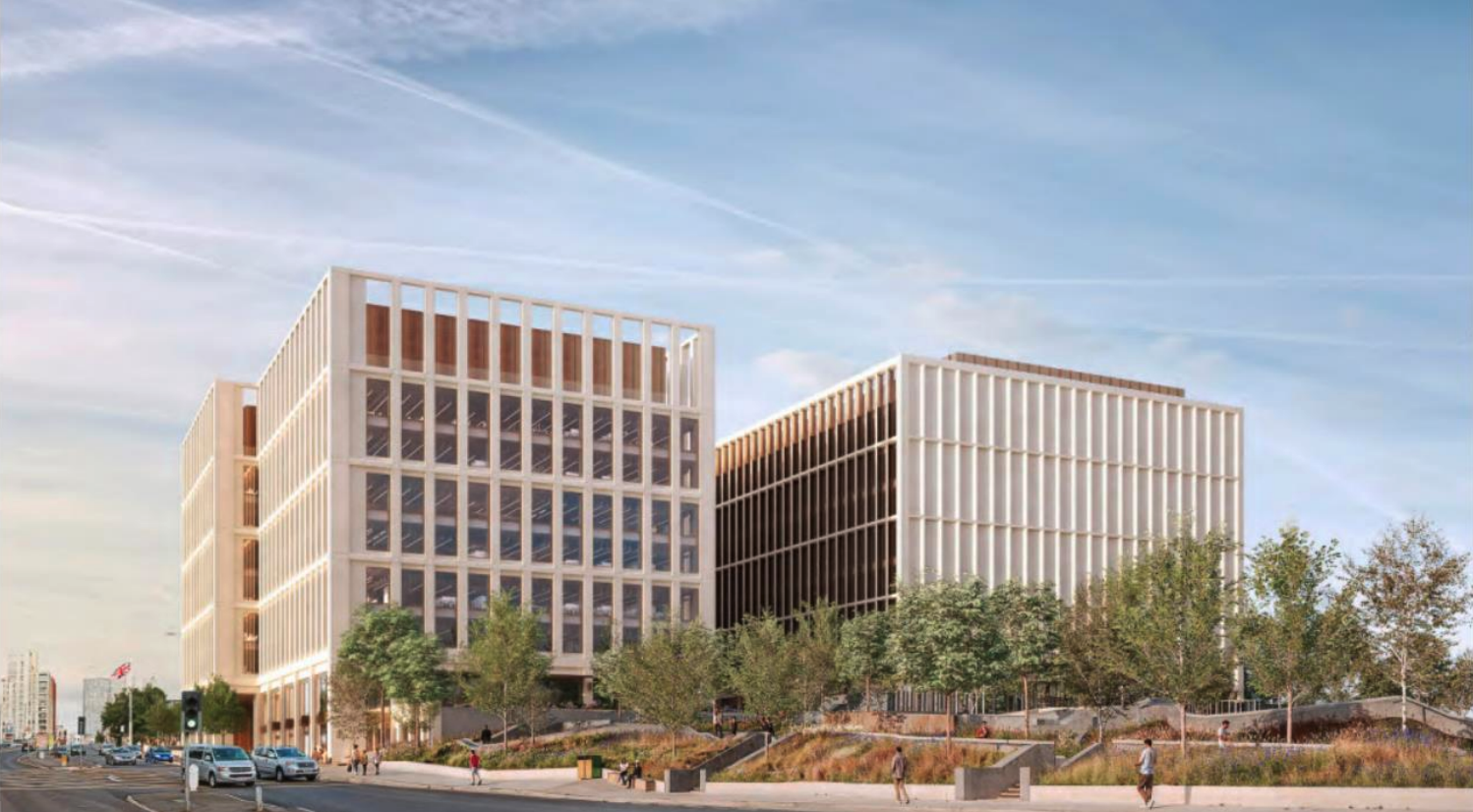
The new state-of-the-art hub, which will be known as Manchester Digital Campus, will be constructed on the site of the former Central Retail Park in Ancoats, alongside the new park.
As mentioned, the campus will bring together a number of Civil Service departments, all with a focus around digital skills, and the Government claims it will create ‘significant employment opportunities’ and ‘economic benefits’ in the region.
Ultimately, Government ministers say these ambitious plans are set to boost Manchester’s digital and tech sector.
Our proposed plans for the Manchester Digital Campus have received the green light!
The state-of-the-art campus in Ancoats will bring together a number of Civil Service departments with a focus around digital skills.
— Government Property Agency (the GPA) (@UKGovPropAgency) February 20, 2025
Alongside the new campus, however, is the perhaps even-more-exciting addition of a new urban park, which is aiming to improve access to quality green space for city centre residents and visitors, while also creating a connection to the existing Cotton Field Park behind and through to Ancoats and New Islington.
The park space has been designed in collaboration with landscape architects Planit-IE following public consultation.
According to Manchester City Council, a central lawn and plaza will create a ‘green buffer’ to Great Ancoats Street, with various tiered gardens navigating the different level changes across the site, alongside play areas, paths, and tranquil areas to escape the noise of the city.
The park has also been designed to make sure that it’s fully accessible for all.
A new digital campus by @UKGovPropAgency bringing 7,000 quality jobs to Manchester has been approved.
The campus will transform a derelict former retail site alongside a new city centre park in Ancoats.
The site will accommodate new walking and cycling routes, helping to link to other city centre active travel investment in Ancoats, Northern Quarter, and out towards the Etihad Campus.
“The new park is a welcome addition to our city centre green spaces,” commented Cllr Bev Craig, who is the leader of Manchester City Council.
“It’s a reimagining of the former retail site that has for many years acted only as a barrier to the community behind – and an eyesore in one of the most exciting parts of our city.”