The extraordinary first derby at the City of Manchester Stadium
Manchester City moved into a shiny new stadium for the 2003/04 season. In March, their enemies came to take a look around for the first time. It turned out to be an incredible afternoon.
As Manchester underwent a cultural shift in the late nineties, something odd happened: The Manchester Derby temporarily disappeared.
This was a period when the iconic Hacienda nightclub would close forever and the ribbon was cut to an American-style mall called ‘The Trafford Centre’. The region was morphing into a different beast – and the local sports scene was seemingly swept up in the mood for change.
In New Manchester, there was seemingly only room for one football team at the top.
After years flirting with relegation, the region’s Blue team tumbled out of the Premier League trapdoor, before falling further down into Division Two.
Younger fans will find it hard to comprehend the gulf between Manchester’s two football clubs before the turn of the millennium. But not that long ago, the sides were separated by a staggering 46 places.
When the summer of 1999 rolled around, United had picked up the third major trophy of the season. City, meanwhile, were only the third best team in Manchester.
After losing their top tier status, City spent several years contesting a very different kind of Manchester derby with Stockport County instead – desperately trying to claw their way back up the leagues whilst their traditional enemies at Old Trafford cemented a reputation as one of football’s greatest ever sides.
The Blues had fallen so far off their arch-rivals’ radar they were considered inconsequential (the worst possible regard in which to be held by your nemeses). But in 2000, after a four-year exile, City made it back to the promised land of the Premier League – yo-yo’ing between divisions before finally defeating United for the first time since 1989 in a memorable 3-1 win.
The victory marked the final derby at Maine Road before City’s big move to a new 47,000-capacity stadium on the east side of Manchester. There had been discussions about simply upgrading the old ground, but City realised this new chapter was about more than just a fresh lick of paint. They wanted the kind of home that screamed clear intentions that City were no longer content to play second (or third) fiddle for Manchester on the world stage.
An international stadium – which had played a pivotal role in elevating the region’s global reputation via the Commonwealth Games competition – would be the place to do exactly that.
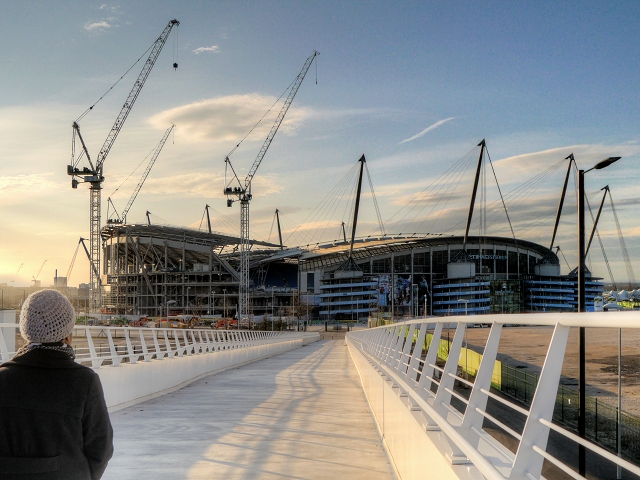
City of Manchester Stadium / Image: David Dixon via Geograph
The City of Manchester Stadium officially opened to football fans in August 2003.
The Blues spent a few months settling in, and on March 14, their enemies came to take a look around for the first time.
They were in a foul mood, too.
There were 11 games left until the end of the season, but Sir Alex Ferguson’s men had already fallen well adrift of Arsenal in their attempts to retain their Premier League crown – arriving in Eastlands without a win in three.
The Reds had also just suffered an ignominious exit from the Champions League. On the previous Tuesday, Portuguese side Porto scored a last-gasp winner at Old Trafford that sent a young, dapper-dressed manager by the name of Jose Mourinho galloping down the touchline in wild celebration and left United fans sat in sickened silence.
The damaging defeat had instigated a supporters’ inquiry; with fans pointing the finger of blame at various members of the squad. 19-year-old winger Cristiano Ronaldo was being called a show-pony who couldn’t deliver the goods on the big stage. Diego Forlan was being criticised for a lack of goals. And goalkeeper Tim Howard was also under fire for dropping the clanger that led to Porto’s big goal.
After a painful night in Europe, all United wanted was to curl up under the covers for the whole weekend – but were instead tasked with trudging down the road and putting their irritating noisy neighbours in their place.
They didn’t really want to be there. And City smelled blood.
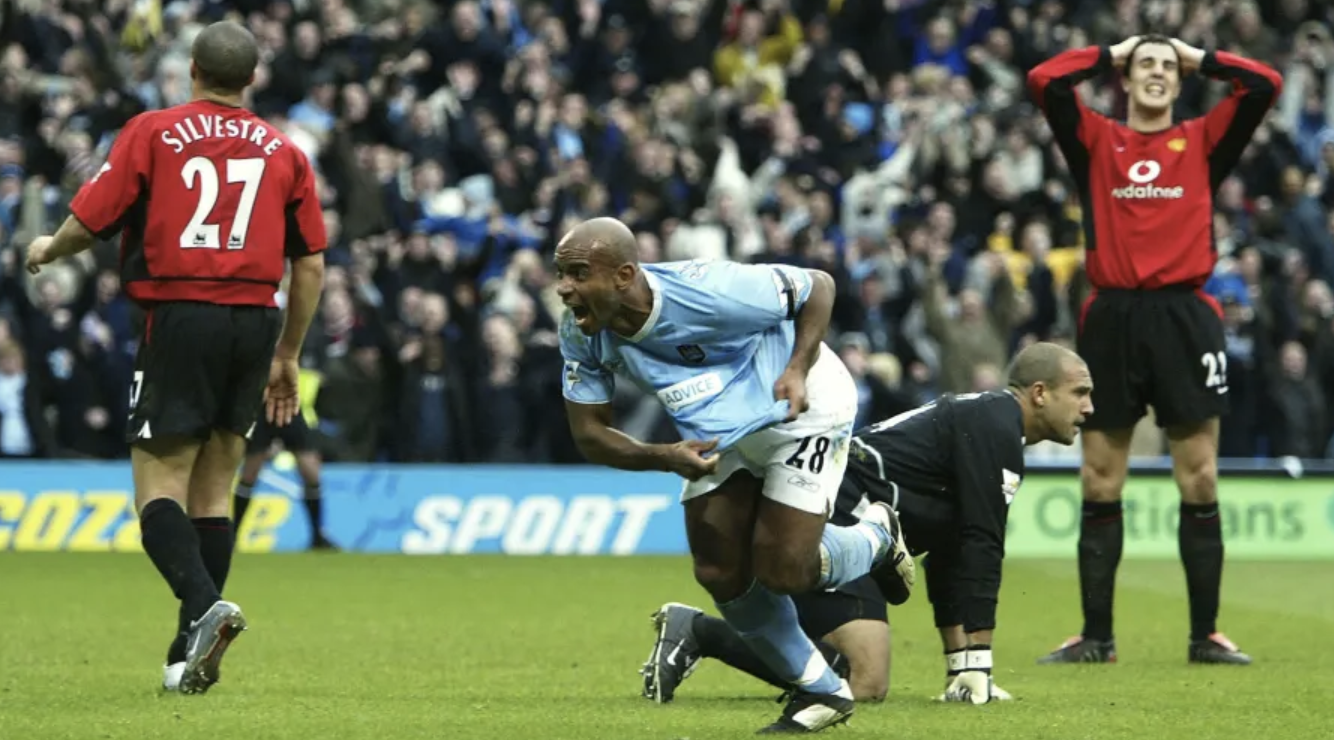
Trevor Sinclair puts City 3-1 up in the first ever derby at the City of Manchester stadium
Over 47,200 fans packed into the ground for the first ever derby clash at the City of Manchester Stadium, with United supporters – still hungover from their Champions League defeat – trying to find their bearings in unfamiliar surroundings.
City hadn’t quite gotten used to their upgraded digs just yet either. They’d shown a few symptoms of home sickness since leaving Maine Road behind – having won just twice at the new ground.
But on this particular Sunday afternoon, they were playing host to their most-anticipated visitors of the season. And there’d be no welcome mat.
Within three minutes, the stadium received a jolt so ferocious its new foundations threatened to come crashing down.
Some fans were still finding their way to their seats when the ball fell to City striker Robbie Fowler, who juggled his way into the six-yard box and prodded it home – inciting utter pandemonium.
The Red end grimaced. For United – it was the worst possible start caused by the worst possible player (Fowler had already represented two of United’s other bitter rivals in Liverpool and Leeds before joining City). But what felt like an unpleasant fever dream turned into a nauseating nightmare over the 87 minutes that followed.
Jon Macken caught the ball on the volley to put City 2-0 up after half an hour, and whilst Paul Scholes’ low drive gave the Red Devils a glimmer of hope, Trevor Sinclair capitalised on a defensive mix-up in the 73rd minute to stretch City’s lead once again in the second half.
The most memorable moment of the match, though – and the one replayed by City fans time and time again ever since – came in stoppage time.
Young winger Shaun Wright-Phillips (who would go on to make his England debut later that summer) burst down the right flank, pivoted past Wes Brown and rattled in a worldie to make it 4-1.
The final whistle screeched to signal City’s biggest win over their rivals for 15 years – a margin that would not be surpassed until the “Why Always Me?” derby of 2011 when United were hit for six on their own turf.
It took another decade and over £1 billion of investment for City to finally put themselves on equal footing with their foes at the top of the Prem – but this was the moment where a new chapter for the Blues began to take shape.
Looking back, that first all-Manc fixture in Eastlands in 2004 was about more than just bragging rights. It was about City putting their foot down and making their new stadium feel like home.
And there’s no better way to do that in football than by warmly welcoming your neighbours, giving them a serious walloping, and sending them on their way.
Sport
Pep Guardiola hints at when Manchester City fans can expect to see their latest arrival
Danny Jones
Manchester City manager Pep Guardiola has given supporters a rough timeline as to when they can expect to see their new signing, or at least their latest arrival, make his first appearance.
The Blues wrapped up the January transfer window with four major signings: their new attacking number seven, Omar Marmoush (who has already bagged a hattrick on his home debut) promising defensive duo, Abdukodir Khusanov and Brazilian Vitor Reis, as well as their ‘mini-Rodri’, Nico Gonzalez.
However, the club has had another late arrival who was technically signed back at the start of last year but who has spent for the last 12 months or so loaned back to his previous parent club, River Plate in Argentina, waiting to make the move over to the Etihad Stadium – and now he’s here in Manchester.
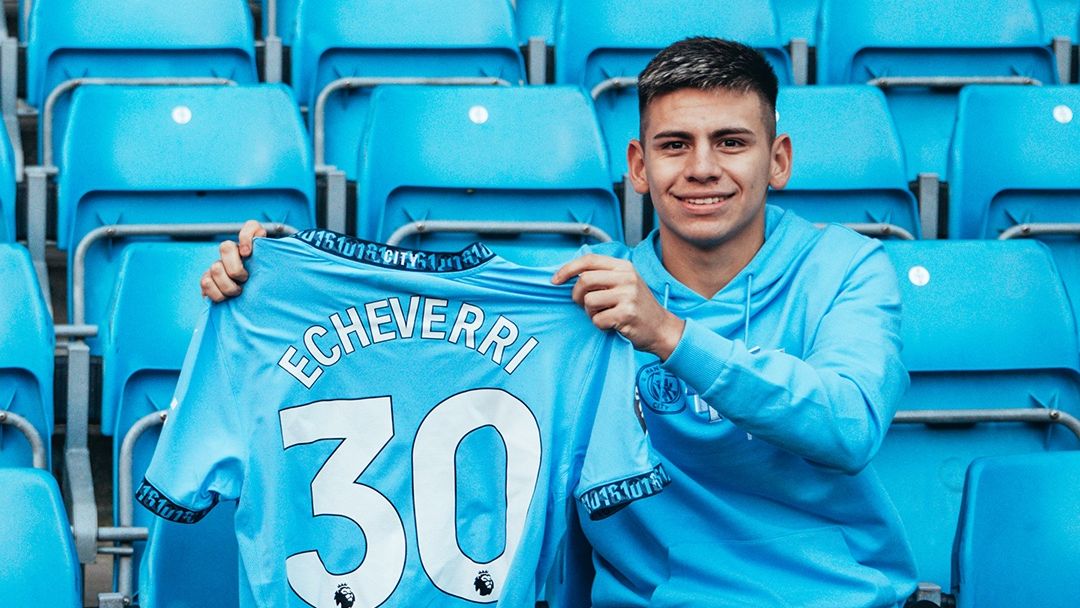
Speaking on his touchdown in 0161, Pep said Claudio Echeverri won’t be thrown into first-team action straight away but did give a rough estimate as to when City fans could expect him to get involved. You can see him discussing the integration plan in his post-match press conference following the Spurs win.
The mention was only brief but there’s still plenty of reason for Man City fans to be excited by the late January signing.
“Yeah, he [Claudio Echeverri] is going to start to train and mainly will be for the end of the season, maybe the [Club] World Cup and as soon as possible [that] he arrives he can adapt quick for the future.”
As mentioned, the 19-year-old Argentinian attacking midfielder from Resistencia officially put pen to paper with CFG back in January 2024 and was quickly dubbed ‘the next Messi’.
Now, although the football world is often quick to jump the gun with these things and he isn’t the first and certainly won’t be last to be slapped with this premature title, he’s done more to back up these claims since then than he has rubbish them.
Starring at the 2025 Under-20 South American Championships, netting six goals in nine games to finish the tournament as the second highest scorer thanks to notable braces against Brazil and Uruguay as the young Argentine’s finished as runners up.
He also notched 48 senior appearances for River Plate thus far, netting four goals and grabbing eight assists in that time, not to mention having already captained his national team at the 2023 Under 17s World Cup, where he scored another five.
Safe to say there’s plenty of talent to be tapped in this lad.
Once again, Echeverri won’t go straight into the senior set-up for a little while yet, barring a major injury crisis, but he’ll be a more than exciting addition to the City Football Academy and for future first-team lineups for years to come.
Who knows, maybe he’ll be included in an FA Cup matchday squad? Nevertheless, you can expect him to not just come of the bench but hopefully show what he can do at the Club World Cup this summer.
City‘s first fixture as reigning champions of the competition will be against Moroccan side Wydad AC on 18 June 2025.
You can watch Echeverri’s first full interview as a Man City player down below:
The new Man City signing is excited to be finally be part of the club 13 months on from agreeing his contract.
‘Nothing is eternal’: Is Pep Guardiola hinting at the end of Manchester City’s supremacy?
Danny Jones
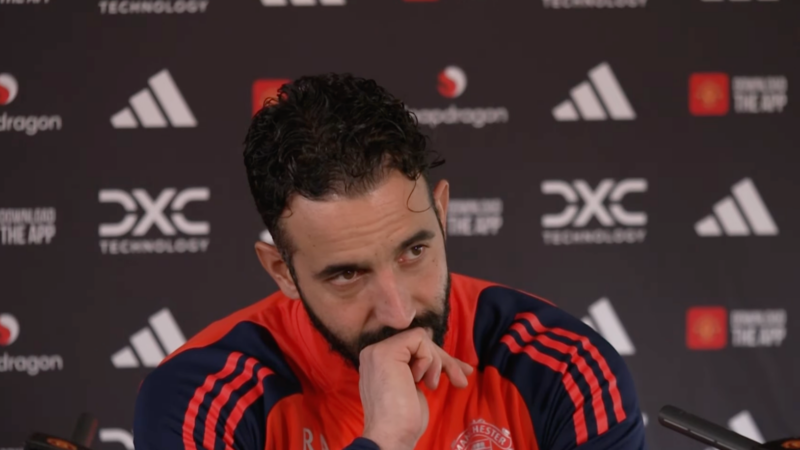
Pep Guardiola looks to have suggested that more than a decade of Manchester City’s supremacy and Premier League dominance at the very least might be coming to an end.
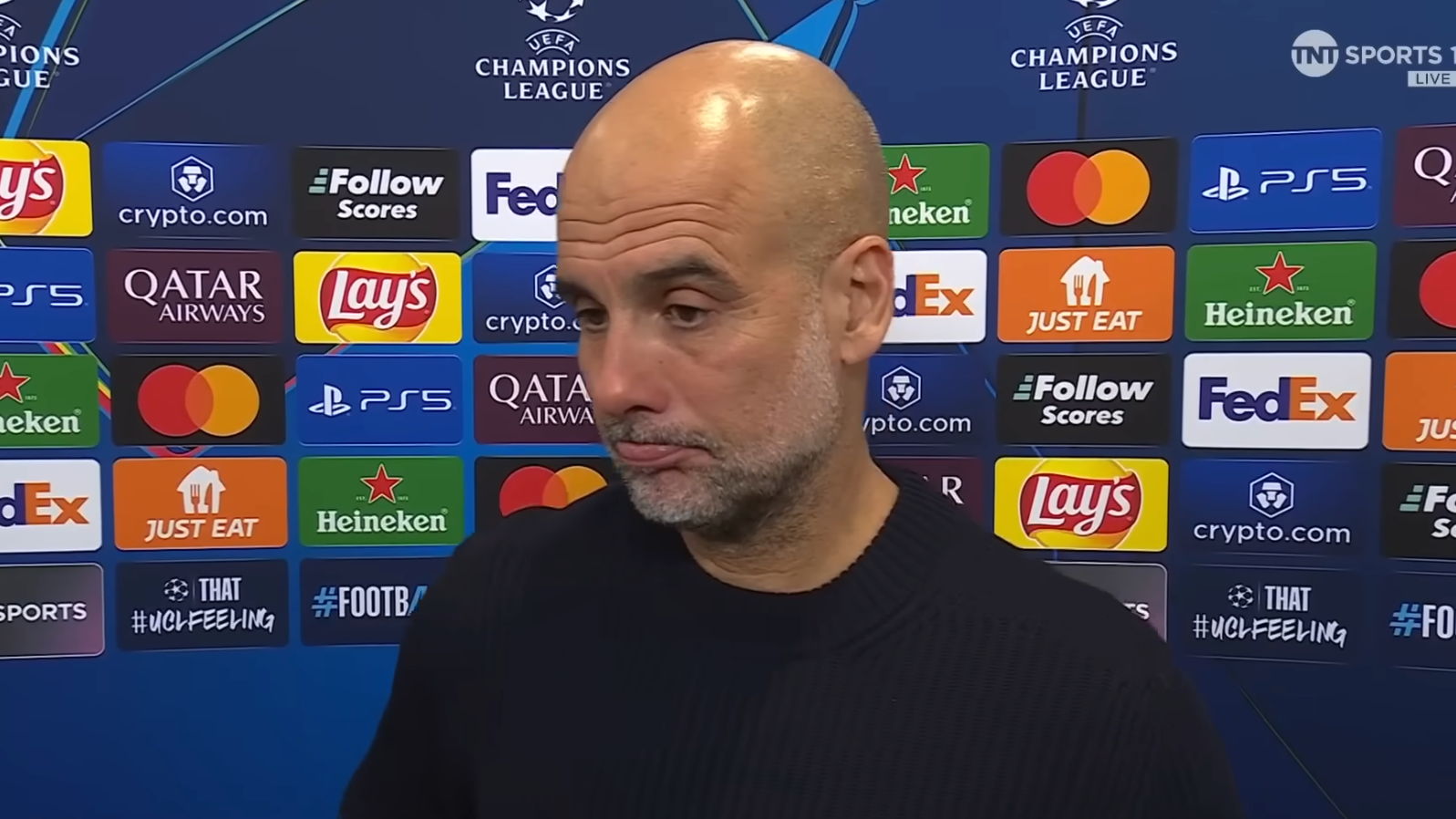
Speaking in his post-match press interviews after City were knocked out of the Champions League by serial European Cup winners Real Madrid, Guardiola cut a somewhat more deflated figure than usual following the 3-1 defeat.
A Kylian Mbappe hattrick which was closed out within an hour of play was enough to stretch the aggregate score to 6-3 over the two legs and Madrid doubling their lead across the tie proved yet again why, not unlike City domestically over the last decade, they’re the kings of the continental competition.
In contrast, however, Pep seemed to accept the loss much more easily than perhaps we’ve seen in the past and rather than appearing familiarly frustrated or defiant in the press conference; instead, he seemed rather reflective, responding to one reporter: “Nothing is eternal”.
🗣️ "Nothing is eternal" – Pep Guardiola.
🔵 Subscribe to our Manchester City page on BBC Sounds for the latest interviews. #MCFC#bbcfootball
Insisting that they have to decide whether a significant rebuild is needed to keep competing at the very top level consistently as they have done since the 54-year-old arrived back in 2016, he argued that it is only with that they’ll be able to determine what comes next.
As for the result itself, he made no bones about Carlo Ancelotti’s side having “deserved it”, stating simply that “the best team won” and that fans and players alike have to “accept the reality: they were better.”
Having been a familiar foe for Pep long before he arrived in Manchester, both at Barcelona and Bayern Munich – not to mention City having faced Los Blancos a dozen times before Tuesday night since 2012 – there have been less surprising outcomes for supporters to come to terms with.
“With time, the club and everyone is going to accept what it is but for now we have 30/40 games for the Premier League next season to try and be here [in the Champions League] and to improve. Nothing is eternal”, said the Catalan coaching genius.
On the other hand, he also went on to add that it was merely a reflection on the night itself and not what his team have achieved in recent years.
He went on to remark that “when we were playing outstanding it hurt more” to be knocked out of the UCL when he felt they deserved to stay in it, but still insisted: “We have been unbelievable and we have to try step by step to get better from today.” Tonight just wasn’t the night.
Who knows? Perhaps it was just some more melodrama from a manager with an undeniable flare for pageantry and playing into/in the face of narratives when he doesn’t come out on top – which hasn’t happened all that often until their dip in form this season.
Plus, there’s certainly still plenty for him and the fans to be positive about; not only has the arrival of their ‘Egyptian Prince’ and the media’s Mo Salah successor, Omar Marmoush, got plenty of people excited – especially after that first-half hattrick against Newcastle – but so too have the other January signings.
In fact, for all of his downplaying in this particular presser (which you can hear in full HERE), it felt like there were only upsides after their victory over Newcastle, even going so far as to dub new signing Nico Gonzalez a ‘mini-Rodri‘.
You can watch the highlights from the game down below:
Pep is right, nothing is eternal – but sometimes you just come up against talents like Mbappe and there’s very little anyone can do about it.

 The Manc -
11th March 2021
The Manc -
11th March 2021