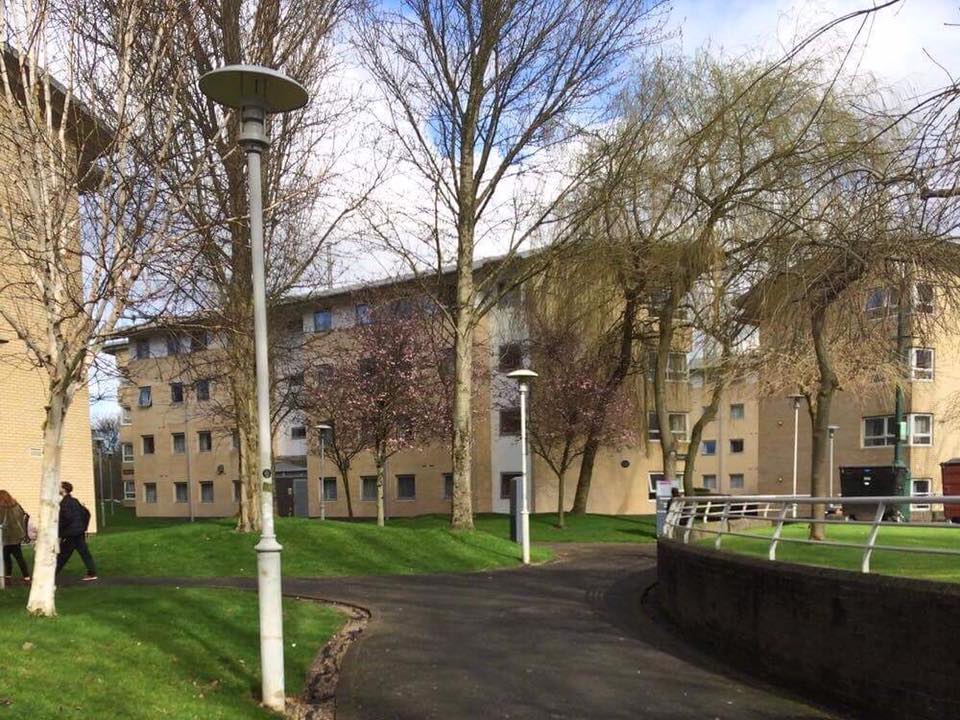
Every September, crowds of nervous freshers – many feasting their eyes on Fallowfield for the first time – can be seen lugging boxes of pots and pans into Owens Park, nodding nervously at their potential new flatmates in the corridors.
This ageing student accommodation block has been a staple of Manchester University since the sixties.
During that time, it’s housed thousands of students. But it’s also been the site of one of the city’s notorious competitions: The Tower Challenge.
Within days, or maybe even, hours, of moving into Owens Park, many students decide to enrol in the infamous contest, which involves scampering from floor to floor as fast you can whilst gulping down a shot of alcohol on each level (16 in total).
The outcome is never pretty. But Fallowfield is used to that. This patch of land was hosting chaotic competitions long before the students moved in.
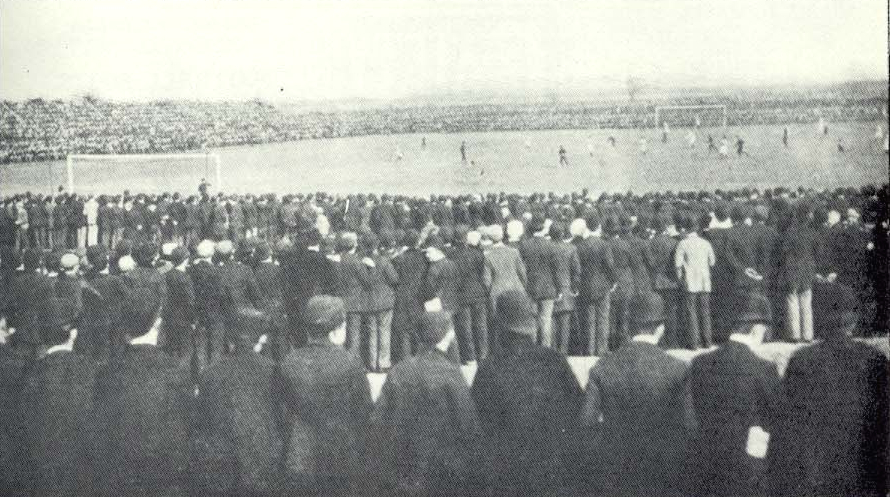
Over 100 years ago, Fallowfield had its very own stadium – and in 1893 it was chosen as the venue for the FA Cup Final.
On paper, hosting such an occasion is a proud feat for the Manchester suburb. But in reality, FA Cup football at Fallowfield Stadium was much like the Tower Challenge – wrong-headed, dangerous and pretty disastrous all round.
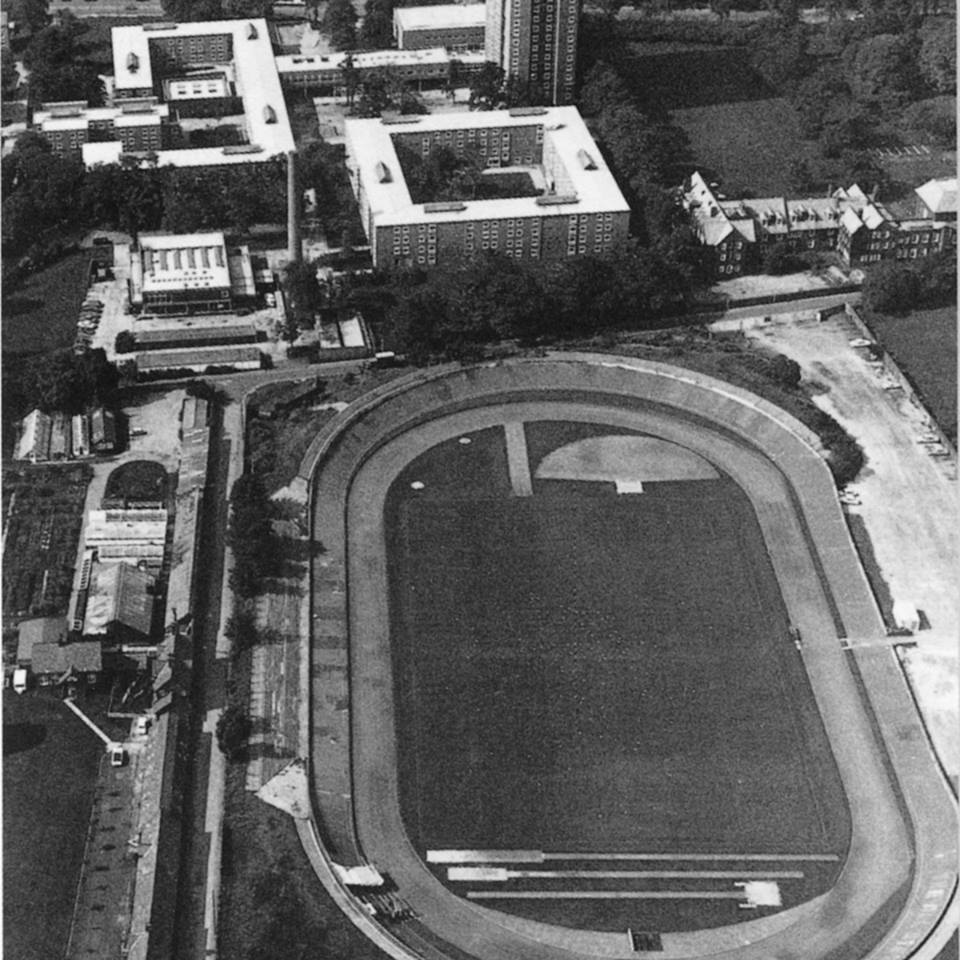
Fallowfield Stadium / Credit: Wikipedia
Fallowfield Stadium was constructed in 1892 – built with terraces, a pavilion and a single stand, with a running track around the outskirts.
According to historian Simon Inglis – the author of the excellent ‘Played In Manchester’ – it could fit about 15,000 fans “at most.”
Opened by Manchester Athletic Club, Fallowfield Stadium quickly settled into its role as a major sports venue – and within a year the FA had selected the ground as the site for football’s biggest game: The FA Cup final.
Everton and Wolverhampton Wanderers arrived in Manchester to compete for the prestigious trophy on 25 March 1893. And so did tens of thousands of others.
The official attendance that day – 45,000 – put the crowd at three times the stadium’s capacity. Although other reports suggest there might have been as many as 60,000 in the ground on the day.
The overcrowding, unsurprisingly, created problems right from the off – with the sheer volume of spectators leading to a kick-off delay.
Given the largely flat structure at Fallowfield, many struggled to get a good view of the game, stirring a restlessness that saw the crowd spill over onto the playing surface.
The teams had to restrict football to the middle of the pitch for fear of tumbling over spectators’ feet, and when the final whistle went to signal a 1-0 victory for Wolves, Everton angrily declared the environment was not fit for a competitive match.
They had a strong argument, but their demand for a rematch fell on deaf ears.
Despite the trouble that day, Wolves have fonder memories of Fallowfield Stadium.
Over at their own ground, Molineux, the Midlands club have a corporate hospitality suite named the ‘Fallowfield Lounge’ – paying testament to the location in which they lifted the FA Cup for the first time.
Fallowfield Stadium continued to host high-level competitive sport after Wolves’ big win, too.
An England vs Scotland rugby game took place at the ground in 1897, along with two Northern Union Challenge Cup rugby league finals in 1899 and 1900.
In fact, the British football body decided to give the ground another big fixture in 1899 – the FA Cup Semi-Final between Sheffield United and Liverpool.
The pair came into the tie deadlocked, having drawn 2-2 in their first game and 4-4 in the replay.
A second replay was scheduled at Fallowfield Stadium, and following two enthralling encounters, demand to see the Semi was high.
But no lessons had been learned.
The crowd on this occasion was so big a crush ensued, leading to the game being abandoned with Liverpool up 1-0 at the time.
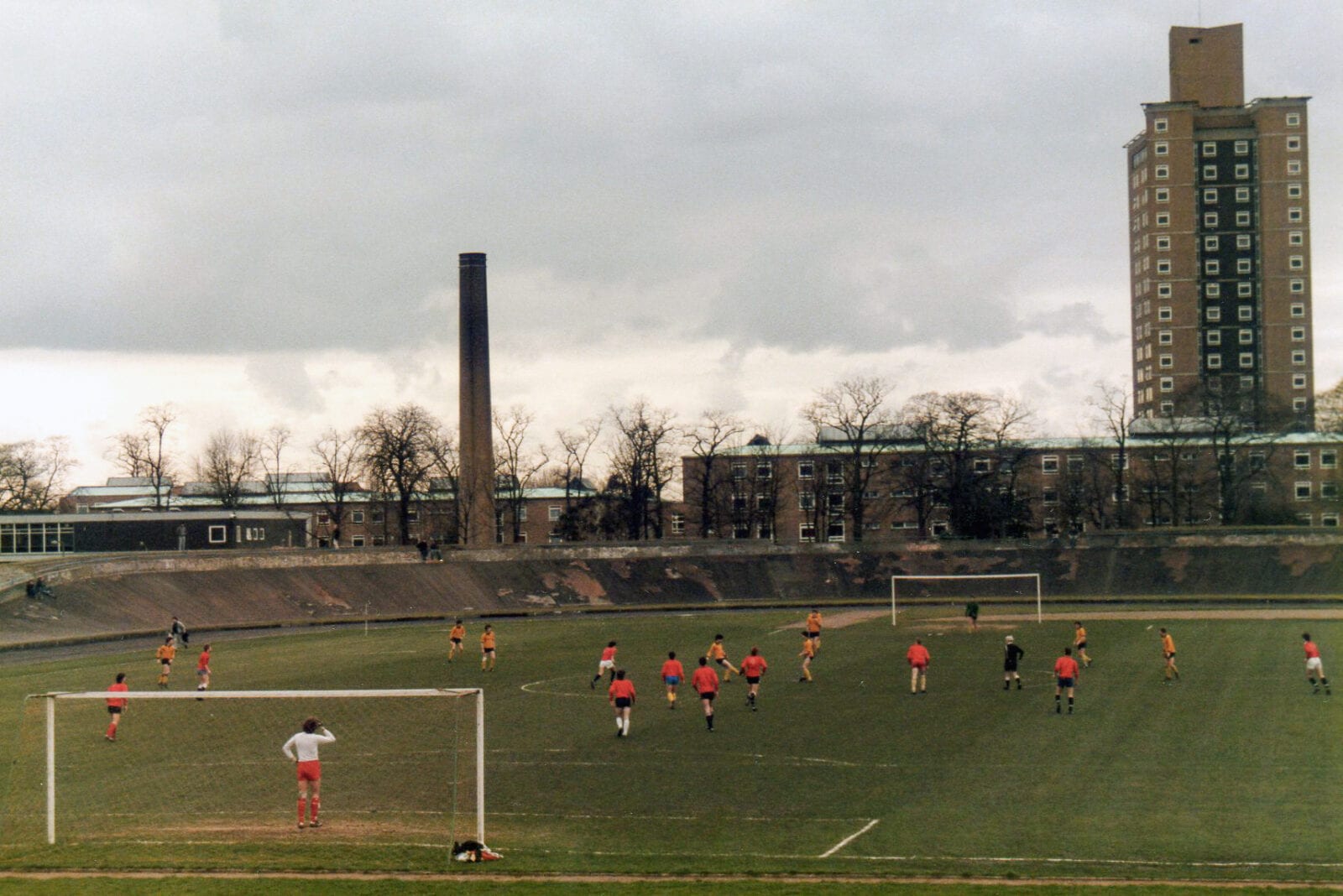
Student match at Fallowfield Stadium in 1985; with the Owens Park tower block looming above in the distance / Credit: Wikipedia
The second replay was instead moved to Derby County’s Baseball Ground, where Sheff Utd won 1-0 – and then went on to thump Derby themselves 4-1 in the final at Crystal Palace two weeks later.
It is unconfirmed as to whether there were any major injuries in the failed Semi-Final in Manchester, but the debacle put an end to elite football in Fallowfield regardless.
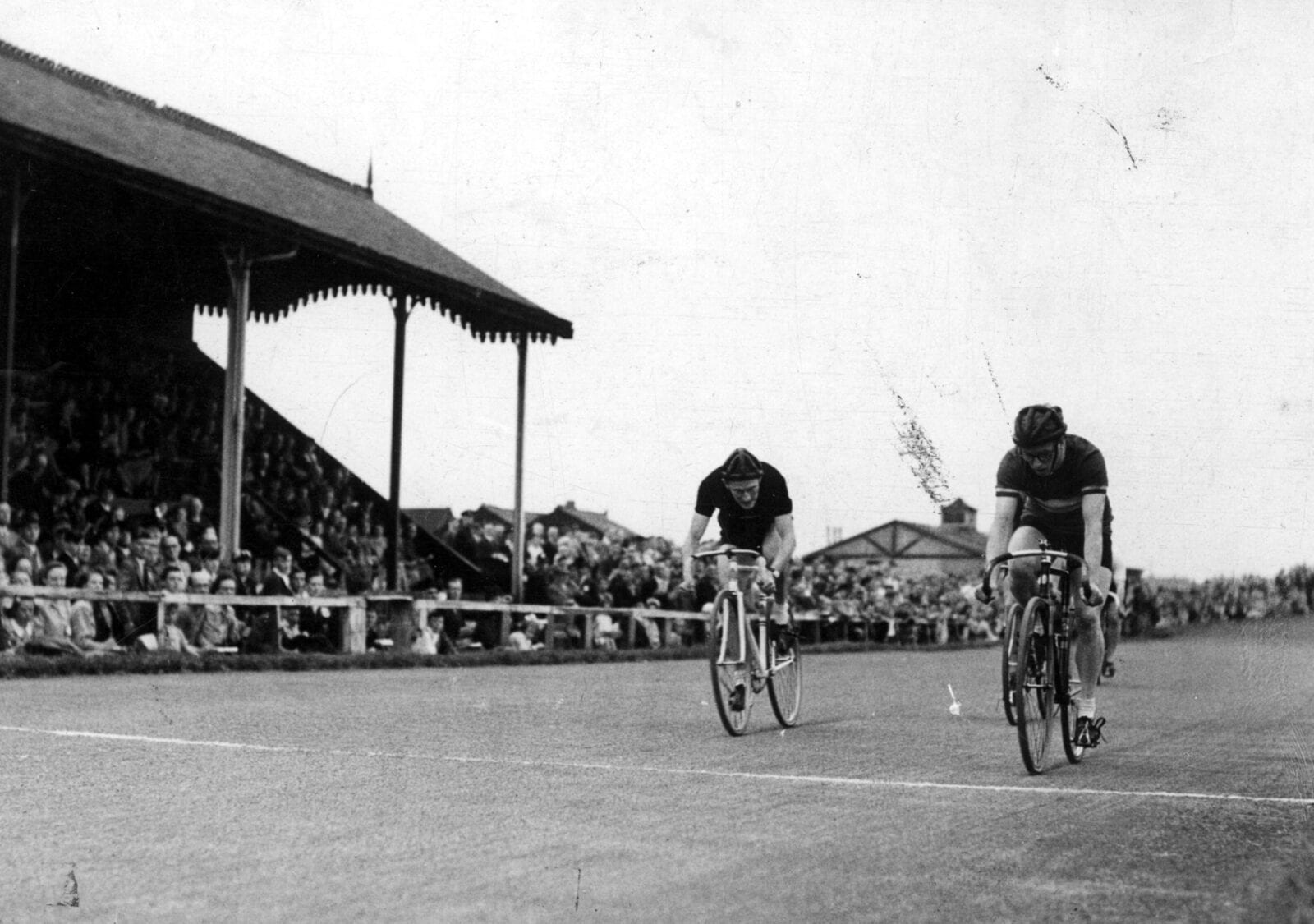
Instead, the stadium found its niche as a spot for athletics and cycling – used regularly by The Manchester Wheelers.
Student footballers also toughed it out on the turf, but as the surroundings began to deteriorate, the university gobbled up the ground.
Pro cycling ended in 1974, and after a few more years of amateur use, Fallowfield Stadium was demolished in 1994.
In its place, a brand new set of student halls was built: Richmond Park.
Today, the area is ripe for a fresh burst of development.
The rumours are that close neighbour Owens Park – and its Tower Challenge – will also be gone forever in due course (although plans for renovation have been plagued by postponements).
Still, with Fallowfield’s fascinatingly bizarre history as a contest venue, you can’t help but wonder what sort of topsy-turvy tournament might come next…
Learn more about the history of Manchester stadia by reading Simon Inglis’ Played In Manchester – It’s available online here.
Featured Image – Wikimedia Commons
Sport
Pep Guardiola hints at when Manchester City fans can expect to see their latest arrival
Danny Jones
Manchester City manager Pep Guardiola has given supporters a rough timeline as to when they can expect to see their new signing, or at least their latest arrival, make his first appearance.
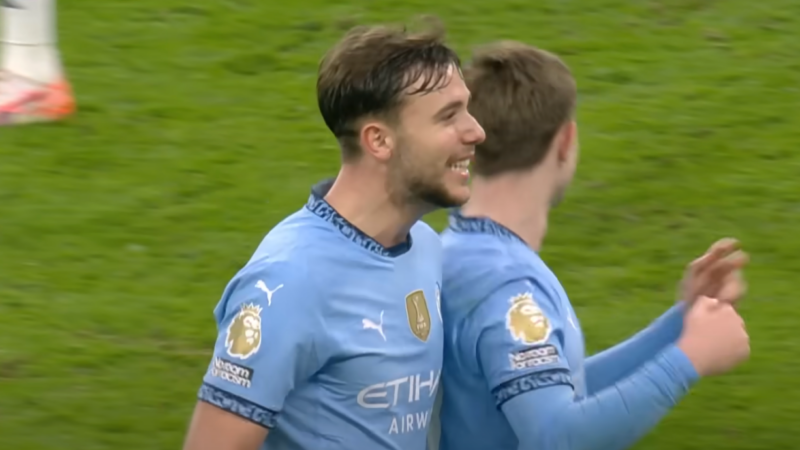
The Blues wrapped up the January transfer window with four major signings: their new attacking number seven, Omar Marmoush (who has already bagged a hattrick on his home debut) promising defensive duo, Abdukodir Khusanov and Brazilian Vitor Reis, as well as their ‘mini-Rodri’, Nico Gonzalez.
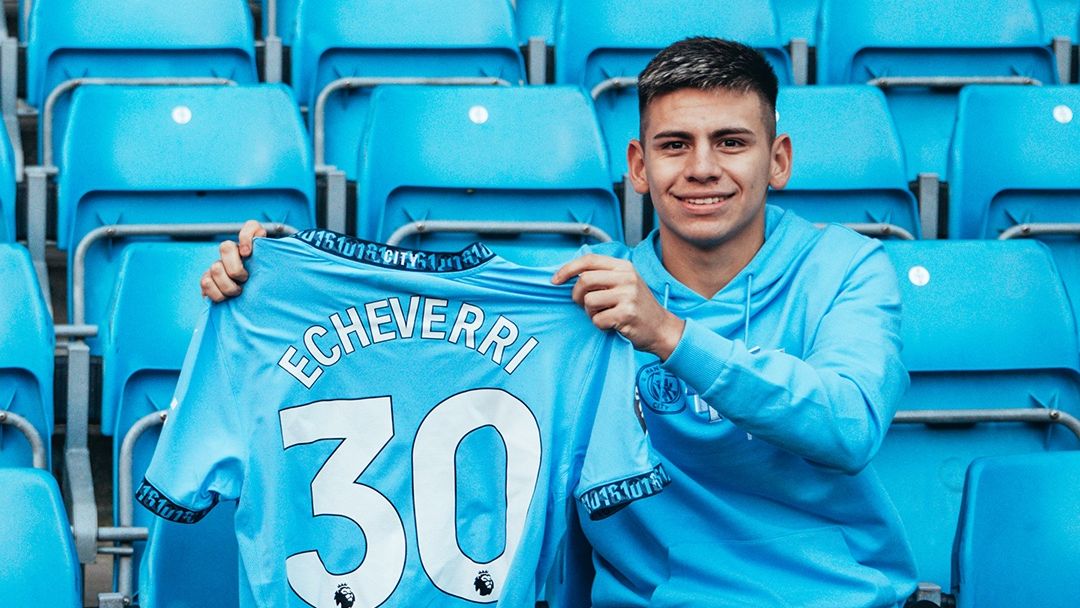
However, the club has had another late arrival who was technically signed back at the start of last year but who has spent for the last 12 months or so loaned back to his previous parent club, River Plate in Argentina, waiting to make the move over to the Etihad Stadium – and now he’s here in Manchester.
Speaking on his touchdown in 0161, Pep said Claudio Echeverri won’t be thrown into first-team action straight away but did give a rough estimate as to when City fans could expect him to get involved. You can see him discussing the integration plan in his post-match press conference following the Spurs win.
The mention was only brief but there’s still plenty of reason for Man City fans to be excited by the late January signing.
“Yeah, he [Claudio Echeverri] is going to start to train and mainly will be for the end of the season, maybe the [Club] World Cup and as soon as possible [that] he arrives he can adapt quick for the future.”
As mentioned, the 19-year-old Argentinian attacking midfielder from Resistencia officially put pen to paper with CFG back in January 2024 and was quickly dubbed ‘the next Messi’.
Now, although the football world is often quick to jump the gun with these things and he isn’t the first and certainly won’t be last to be slapped with this premature title, he’s done more to back up these claims since then than he has rubbish them.
Starring at the 2025 Under-20 South American Championships, netting six goals in nine games to finish the tournament as the second highest scorer thanks to notable braces against Brazil and Uruguay as the young Argentine’s finished as runners up.
He also notched 48 senior appearances for River Plate thus far, netting four goals and grabbing eight assists in that time, not to mention having already captained his national team at the 2023 Under 17s World Cup, where he scored another five.
Safe to say there’s plenty of talent to be tapped in this lad.
Once again, Echeverri won’t go straight into the senior set-up for a little while yet, barring a major injury crisis, but he’ll be a more than exciting addition to the City Football Academy and for future first-team lineups for years to come.
Who knows, maybe he’ll be included in an FA Cup matchday squad? Nevertheless, you can expect him to not just come of the bench but hopefully show what he can do at the Club World Cup this summer.
City‘s first fixture as reigning champions of the competition will be against Moroccan side Wydad AC on 18 June 2025.
You can watch Echeverri’s first full interview as a Man City player down below:
The new Man City signing is excited to be finally be part of the club 13 months on from agreeing his contract.
‘Nothing is eternal’: Is Pep Guardiola hinting at the end of Manchester City’s supremacy?
Danny Jones
Pep Guardiola looks to have suggested that more than a decade of Manchester City’s supremacy and Premier League dominance at the very least might be coming to an end.
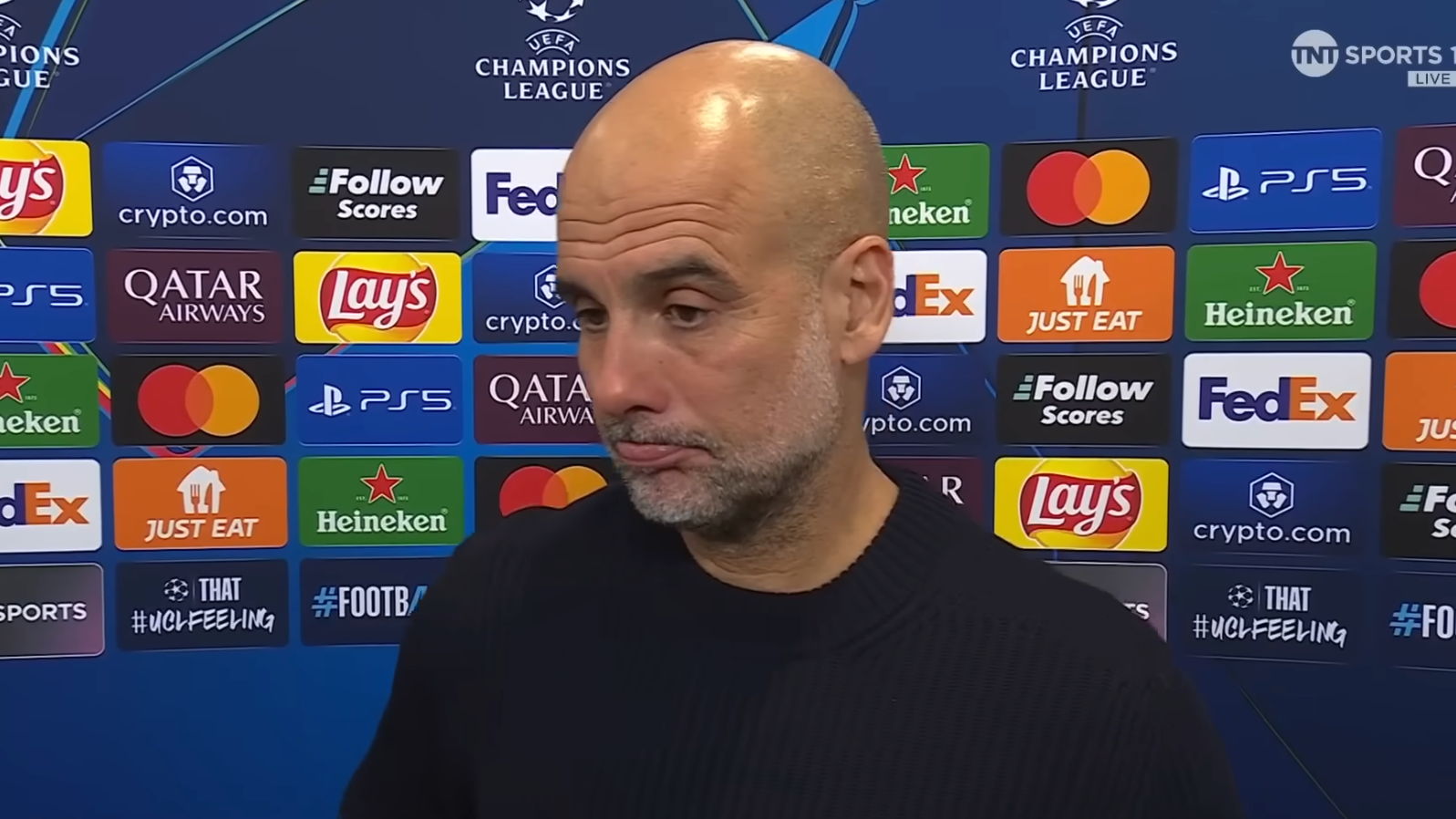
Speaking in his post-match press interviews after City were knocked out of the Champions League by serial European Cup winners Real Madrid, Guardiola cut a somewhat more deflated figure than usual following the 3-1 defeat.
A Kylian Mbappe hattrick which was closed out within an hour of play was enough to stretch the aggregate score to 6-3 over the two legs and Madrid doubling their lead across the tie proved yet again why, not unlike City domestically over the last decade, they’re the kings of the continental competition.
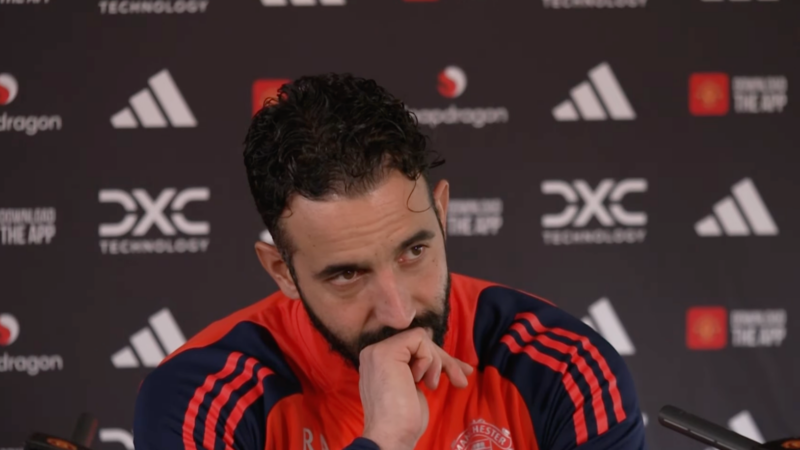
In contrast, however, Pep seemed to accept the loss much more easily than perhaps we’ve seen in the past and rather than appearing familiarly frustrated or defiant in the press conference; instead, he seemed rather reflective, responding to one reporter: “Nothing is eternal”.
🗣️ "Nothing is eternal" – Pep Guardiola.
🔵 Subscribe to our Manchester City page on BBC Sounds for the latest interviews. #MCFC#bbcfootball
Insisting that they have to decide whether a significant rebuild is needed to keep competing at the very top level consistently as they have done since the 54-year-old arrived back in 2016, he argued that it is only with that they’ll be able to determine what comes next.
As for the result itself, he made no bones about Carlo Ancelotti’s side having “deserved it”, stating simply that “the best team won” and that fans and players alike have to “accept the reality: they were better.”
Having been a familiar foe for Pep long before he arrived in Manchester, both at Barcelona and Bayern Munich – not to mention City having faced Los Blancos a dozen times before Tuesday night since 2012 – there have been less surprising outcomes for supporters to come to terms with.
“With time, the club and everyone is going to accept what it is but for now we have 30/40 games for the Premier League next season to try and be here [in the Champions League] and to improve. Nothing is eternal”, said the Catalan coaching genius.
On the other hand, he also went on to add that it was merely a reflection on the night itself and not what his team have achieved in recent years.
He went on to remark that “when we were playing outstanding it hurt more” to be knocked out of the UCL when he felt they deserved to stay in it, but still insisted: “We have been unbelievable and we have to try step by step to get better from today.” Tonight just wasn’t the night.
Who knows? Perhaps it was just some more melodrama from a manager with an undeniable flare for pageantry and playing into/in the face of narratives when he doesn’t come out on top – which hasn’t happened all that often until their dip in form this season.
Plus, there’s certainly still plenty for him and the fans to be positive about; not only has the arrival of their ‘Egyptian Prince’ and the media’s Mo Salah successor, Omar Marmoush, got plenty of people excited – especially after that first-half hattrick against Newcastle – but so too have the other January signings.
In fact, for all of his downplaying in this particular presser (which you can hear in full HERE), it felt like there were only upsides after their victory over Newcastle, even going so far as to dub new signing Nico Gonzalez a ‘mini-Rodri‘.
You can watch the highlights from the game down below:
Pep is right, nothing is eternal – but sometimes you just come up against talents like Mbappe and there’s very little anyone can do about it.

 The Manc -
4th January 2022
The Manc -
4th January 2022