It’s officially happening – Therme Manchester, the new £250m wellness resort near the Trafford Centre, has been granted planning approval.
With it comes a set of brand new images showing how the luxury facility will look, from its multiple swimming pools to its slides to its multi-sensory saunas.
Therme Manchester will have warm water lagoons, adults-only zones, botanical gardens, urban farms, immersive art, water-based fitness classes, and loads more.
The much-anticipated development is forecast to contribute more than £4.5 billion to the UK economy and provide a huge boost to the local economy and tourism industry.
With work set to begin later this year, we’re looking at 2025 before it officially welcomes its first visitors.
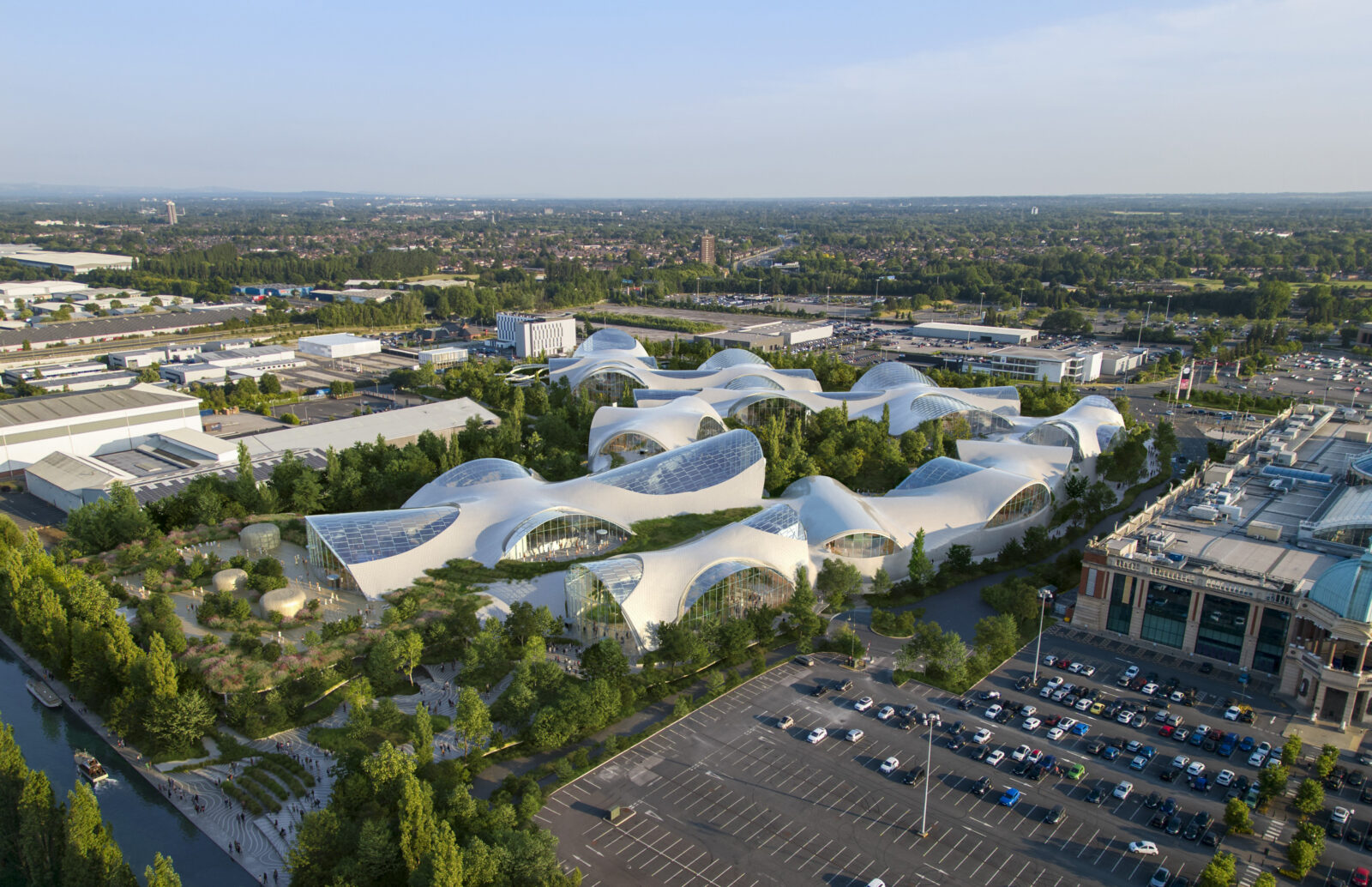
Its latest design, which has received approval from Trafford Council, features a pavilion-style concept in a natural landscape.
The artist impressions released today show huge white waved rooftops, with enormous glass windows and skylights.
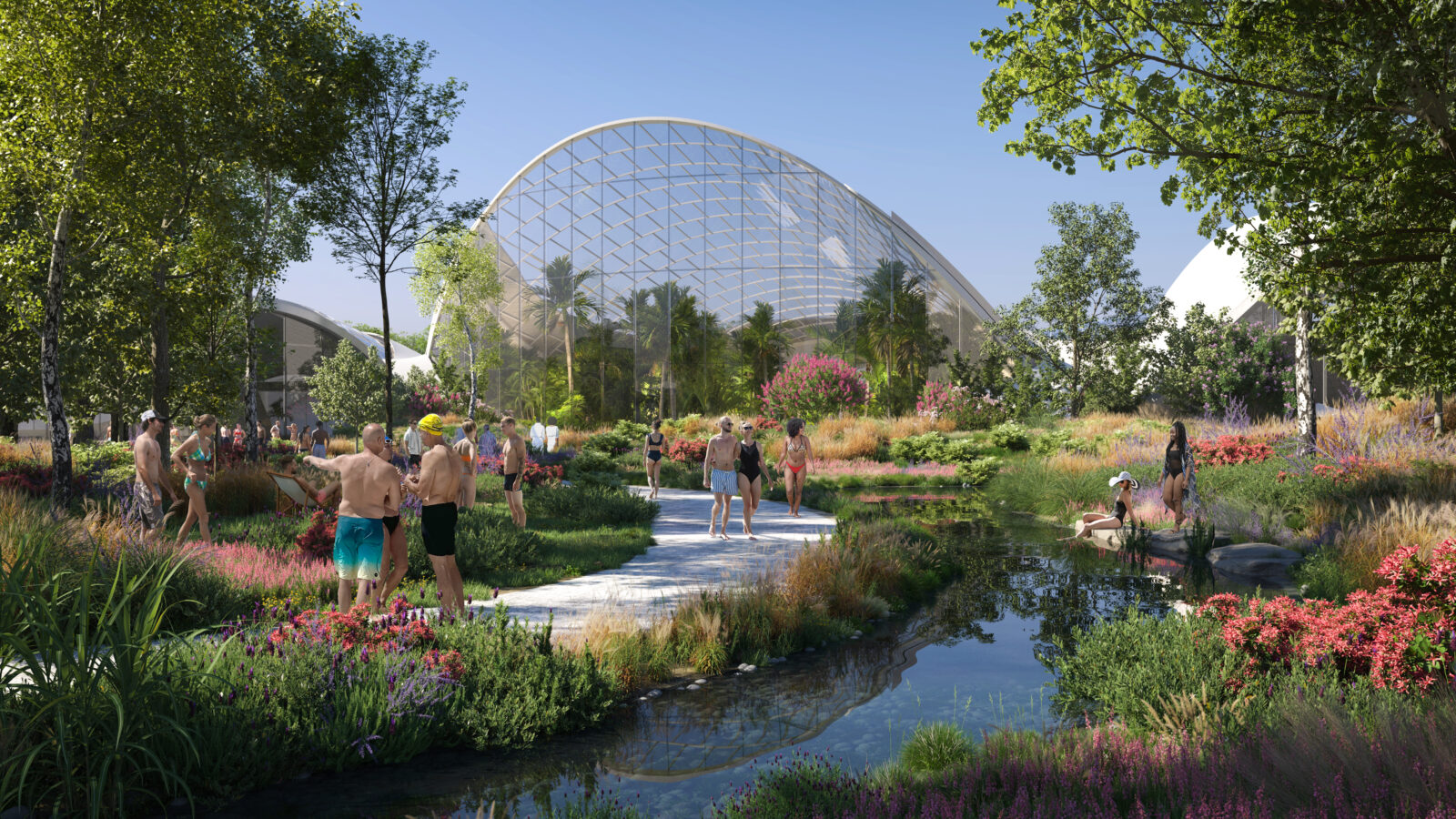
The inner garden, or Garden of Wellness, at Therme Manchester
Inside is an urban oasis where palm trees tower above sunbeds.
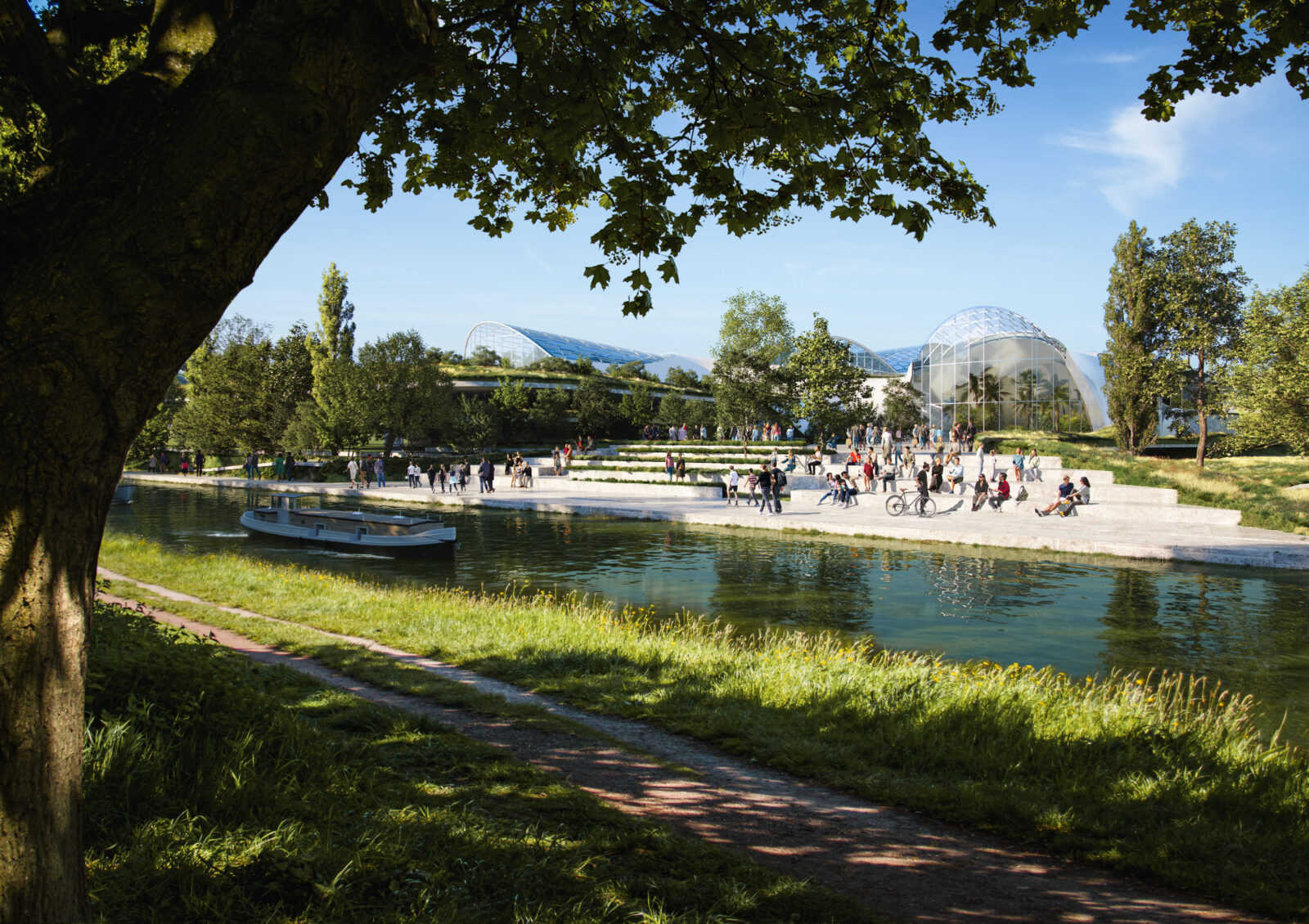
And outside, it looks like Therme Manchester will have lush gardens and swimming ponds, and amphitheatre-style seatiManchester’s Science and Industry Museum reveals ‘special’ 40th birthday events lineupng looking over the canal.
Therme Manchester has now also appointed its CEO, Professor David Russell, whose background includes major ventures like the London 2012 Summer Olympics, The Rugby World Cup in Japan 2019 and the $8 billion Expo 2020 in Dubai.
An aerial view of Therme Manchester. Credit: Supplied
Russell said: “Therme Manchester will be the UK’s first city-based wellbeing resort. Our ambition is to make a positive difference in millions of people’s lives whilst creating a new wave in urban living.”
James Whittaker, executive director of development at Peel L&P said: “After five years working in partnership with Therme, we are delighted to hear planning permission has been approved for this incredible, high-quality health and wellbeing resort in TraffordCity.
“We’re looking forward to working closely with the whole of the Therme team to deliver something truly unique and iconic in the UK, that is not only world-leading for health and wellbeing, but will also create a significant number of new jobs and have a huge positive economic impact for North West England.”
Therme Manchester as viewed from Bridgewater Canal
Cllr Tom Ross, Leader of Trafford Council, said: “I am very pleased that the planning committee supported this application. This wellbeing resort is a huge £250m leisure development which is the first of its kind in the country and we are delighted it is being built here in Trafford.
“The resort will attract millions of visitors each year and will add significantly to the local economy during construction and once operational. It will also create more than 1,500 person-years of construction jobs and 600 permanent full-time jobs.
“The development sits a short walk from the latest Metrolink extension and supports several of our key commitments by improving health and wellbeing, providing connectivity for cyclists and pedestrians, creating a new public realm, and regenerating a vacant brownfield site in a sustainable location.”
Manchester’s ‘busiest’ road Mancunian Way to close for resurfacing
Emily Sergeant
Mancunian Way is set to close for resurfacing works next month.
As Manchester City Council looks to ‘improve’ what is, by far, one of Manchester’s busiest and most-used roads, given the fact it is the main thoroughfare in and out of the city centre, it has been confirmed that Mancunian Way is due to undergo crucial resurfacing works.
With an estimated 15 million journeys taken along this road annually, the Council says it’s vital that necessary maintenance is carried out to keep traffic flowing.
As a result, plans are now in place to resurface Mancunian Way overnight during a four-week period, beginning from next Monday (3 March)
The resurfacing work will be split into two sections, starting with the eastbound carriageway from River Street to Fairfield Street, before moving on to the westbound lane from Fairfield Street to Upper Brook Street.
Work along the eastbound section – in the direction of Ashton Old Road – will run between Monday 3 March to Friday 14 March, with the operating hours being between 7pm and 5am, during which the carriageway will be fully closed, while the westbound carriage in the direction of Regent Road will take place overnight between Monday 17 March until Friday 28 March, with closures at the same time.
Manchester’s ‘busiest’ road Mancunian Way will be close for resurfacing next month / Credit: Pixabay
Due to events taking place during this period of works, slightly later road closures will be in place from 7:30pm on the 7, 10 and 14 of March during the eastbound section, and on 19 March during the westbound secion.
No work will take place Europa League fixture dates, or on Saturday or Sunday nights either.
“These works are taking place overnight to mitigate any potential disruption,” explained Councillor Tracey Rawlins, who is the Executive Member for Clean Air, Environment and Transport at Manchester City Council.
“But as always, we would encourage people to plan their journeys ahead of time and allow more time to travel if they need to go via the Mancunian Way.”
Signed diversions will be in place during the course of the works, and details of this can be found on the Council’s dedicated webpage here.
Featured Image – Geograph
Travel & Tourism
Life-saving defibrillators to be installed on dozens of trains travelling through Greater Manchester
Emily Sergeant
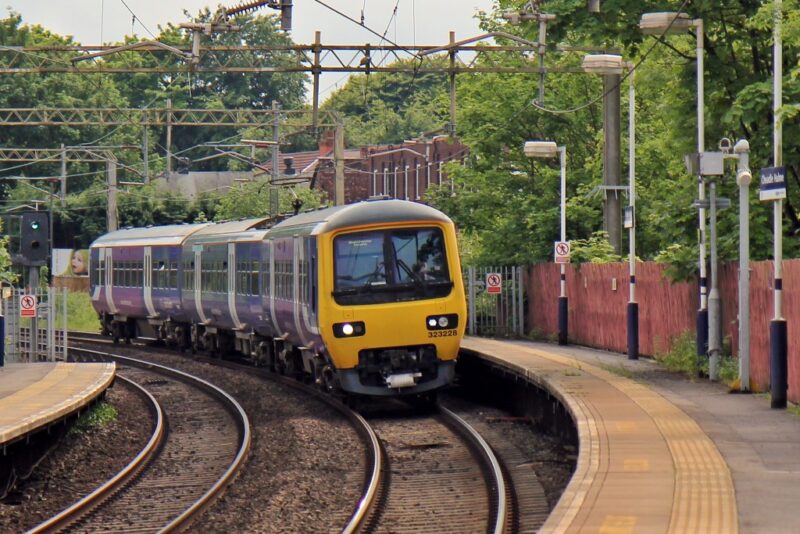
Life-saving defibrillators are set to be installed on dozens of trains travelling through Greater Manchester.
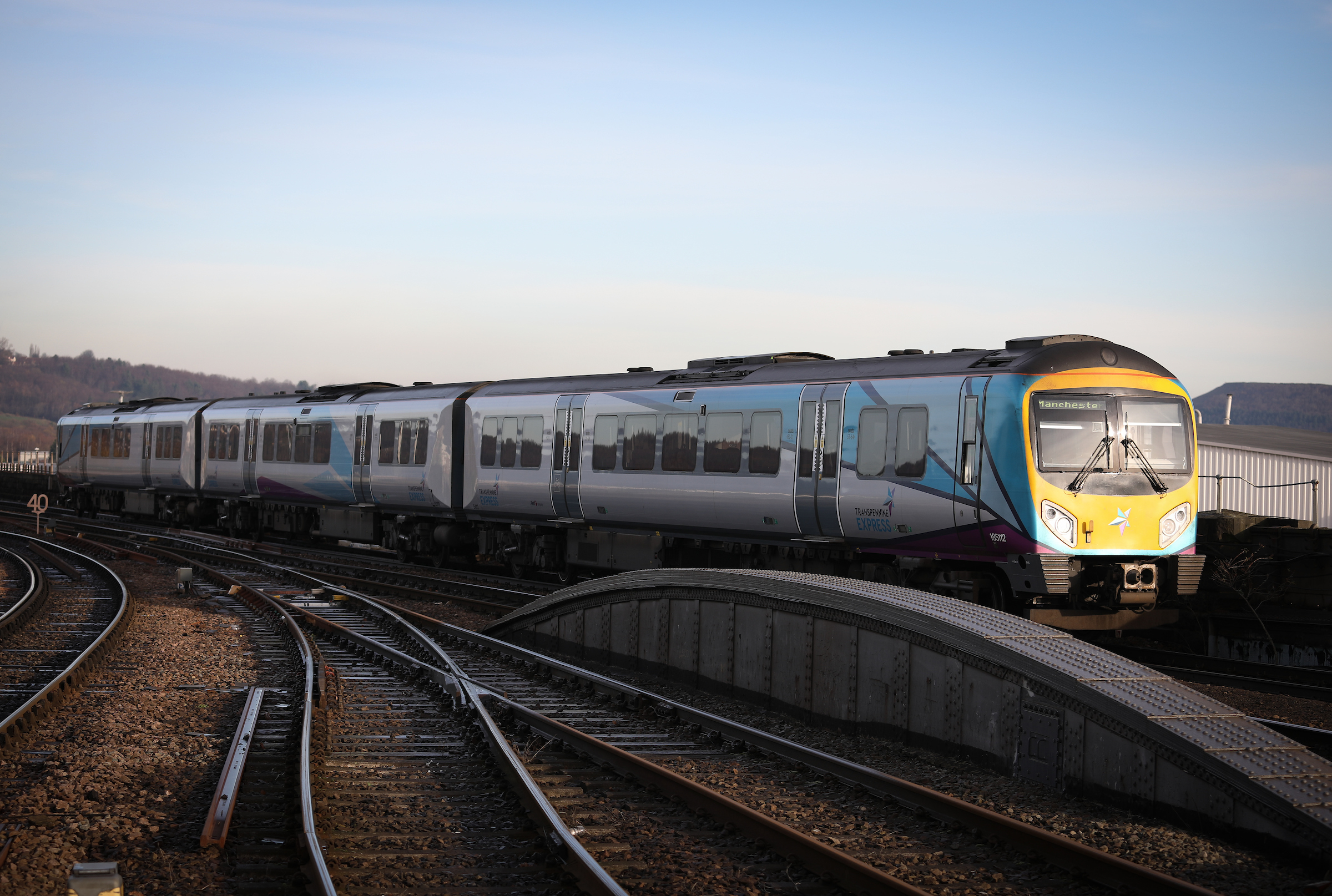
Rail operator TransPennine Express (TPE) has started work to install the units on all 51 of its Class 185 trains over the next two months, and can be used by both staff and passengers if someone goes into cardiac arrest.
The defibrillators will be fitted by technology company Siemens Mobility, and will be located in an emergency equipment cupboard in the middle of the train.
Every defibrillator being installed on the trains has step-by-step, spoken word instructions built in to them, which explain how to use on someone in an emergency, so passengers and staff need not panic if they’re unsure what to do.
Computers inside the defibrillators will work to analyse a person’s heart rhythms to find out if an electric shock is needed, and if required, electrodes then automatically deliver the shock.
⚡Work has started to fit defibrillators across more than 50 TransPennine Express trains
🚆 The life-saving units will be installed on all 51 of our Class 185 trains by the end of March
The defibrillators – which are already installed on TPE’s Nova 1 trains – have been purchased from the British Heart Foundation charity, which is the biggest independent funder of heart and circulatory research in the UK.
The news that the defibrillators are being installed on trains travelling through Greater Manchester and across the UK come after it was announced back in 2023 that the machines were being installed at more than 100 Northern stations to help save people in cardiac arrest.
Speaking on the installing of the defibrillators on trains, Bushra Khan, who is the Head of Engineering at TransPennine Express, said: “Our defibrillators are a huge benefit to both our customers and the communities we serve.
“This rollout will ensure that people travelling on our services will feel safe and confident that defibrillators are available to help in the event of an emergency, potentially saving lives.”

 Daisy Jackson -
14th September 2023
Daisy Jackson -
14th September 2023